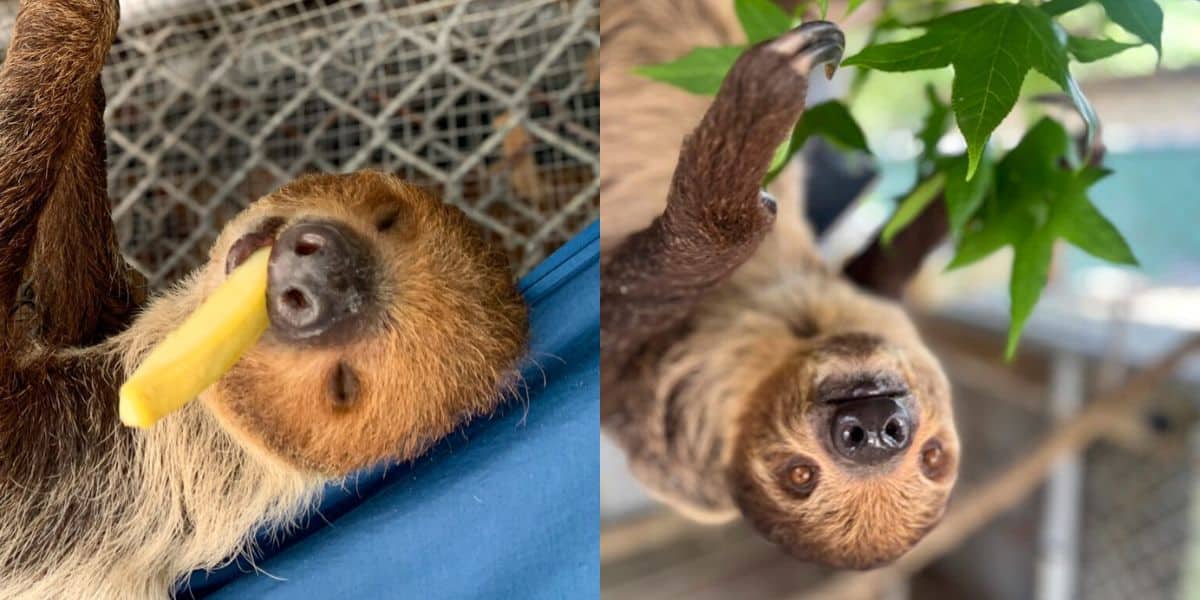
Orlando is the undisputed theme park capital of the world, drawing millions to the magical experiences of Walt Disney World and Universal Orlando Resort. Beyond the major parks, the International Drive corridor is constantly expanding with unique interactive entertainment. One highly anticipated project was Sloth World, an interactive facility where guests could meet and hold sloths.

But instead of bringing smiles to animal lovers, the project spiraled into one of the most heartbreaking animal welfare disasters in recent Florida history. In total, 55 sloths died before the facility ever opened. Despite the immense scale of this tragedy, the Orange County Sheriff's Office recently announced a stunning conclusion that has left theme park fans and animal advocates outraged: investigators found “no criminal wrongdoing.”
The Three-Month Investigation
After news broke regarding the massive loss of life, the Orange County Sheriff’s Office launched an extensive, three-month investigation into the practices of Sloth World and its founder, Ben Agresta. The planned International Drive attraction faced intense scrutiny from the public and wildlife experts alike.
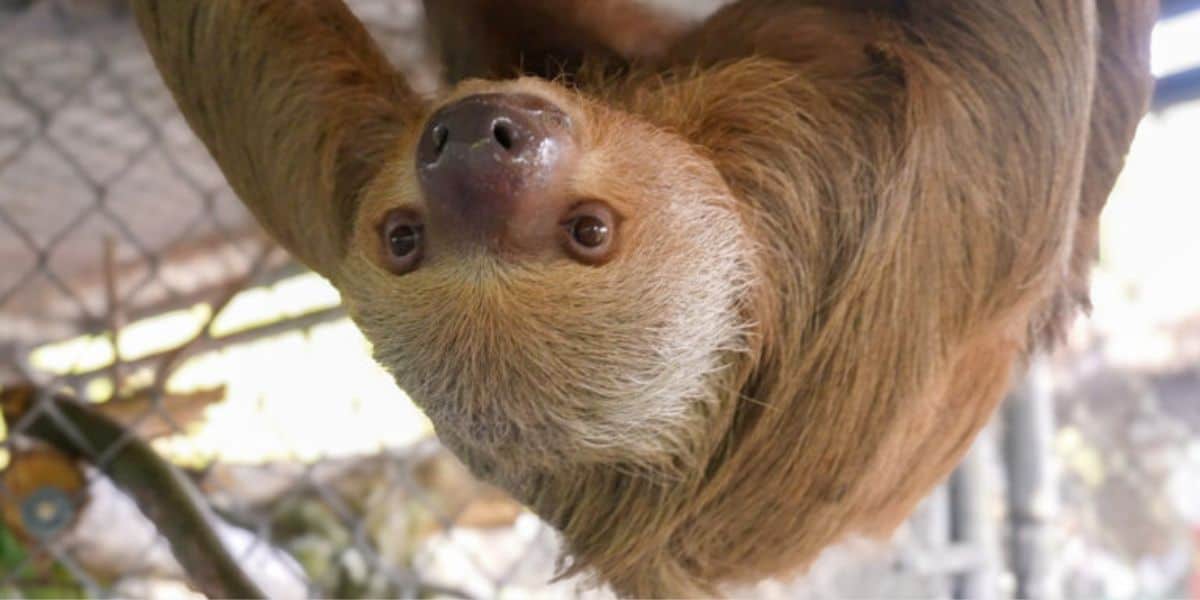
Over the course of the investigation, detectives meticulously reviewed facility records, veterinary documentation, diagnostic findings, and inspection records provided by the Florida Fish and Wildlife Conservation Commission (FWC). Furthermore, investigators conducted more than 20 interviews with state and national wildlife experts.
Despite these thorough efforts, the Orange County Sheriff's Office concluded there was no evidence of criminal activity. The investigative report explicitly stated that authorities found “no criminal wrongdoing” regarding the deaths of the 55 sloths.
What Actually Happened to the Animals?
To understand how dozens of animals could legally die, it is important to examine the timeline of the doomed tourist attraction. The sloths were originally imported from Guyana and Peru to stock the upcoming Sloth World experience.
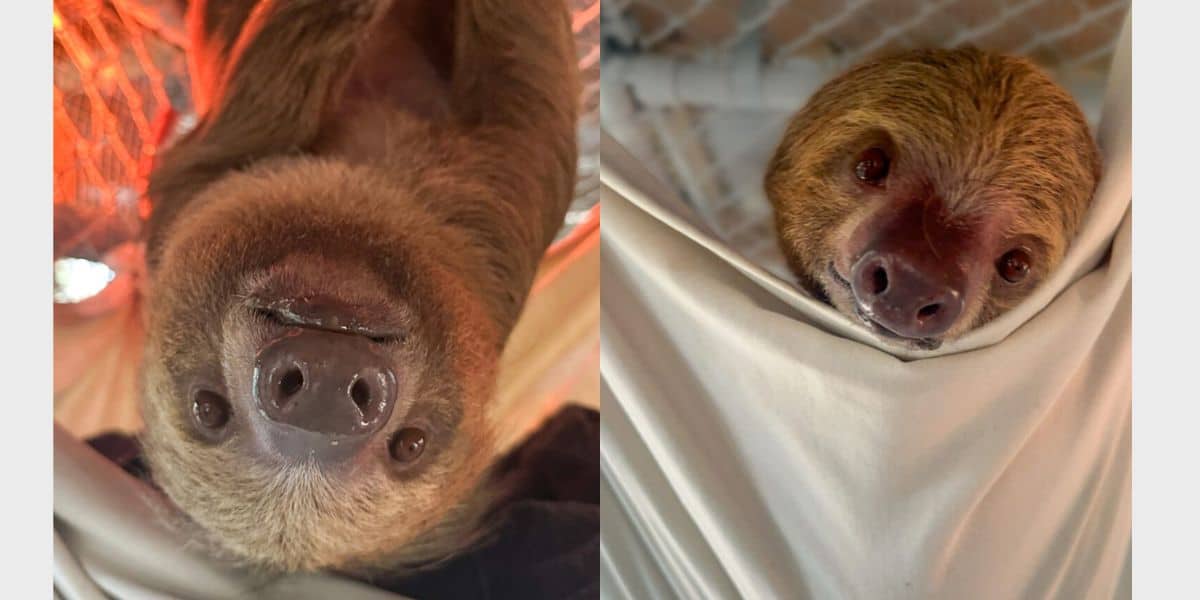
According to the investigative report, the deaths resulted from multiple factors affecting the animals' overall survivability. Investigators cited the following reasons:
- Disease and pre-existing health conditions.
- Transportation stress.
- Copper and nutritional deficiencies.
- Gastrointestinal dysfunction.
Pathology findings specifically indicated a widespread infectious process, most likely viral.
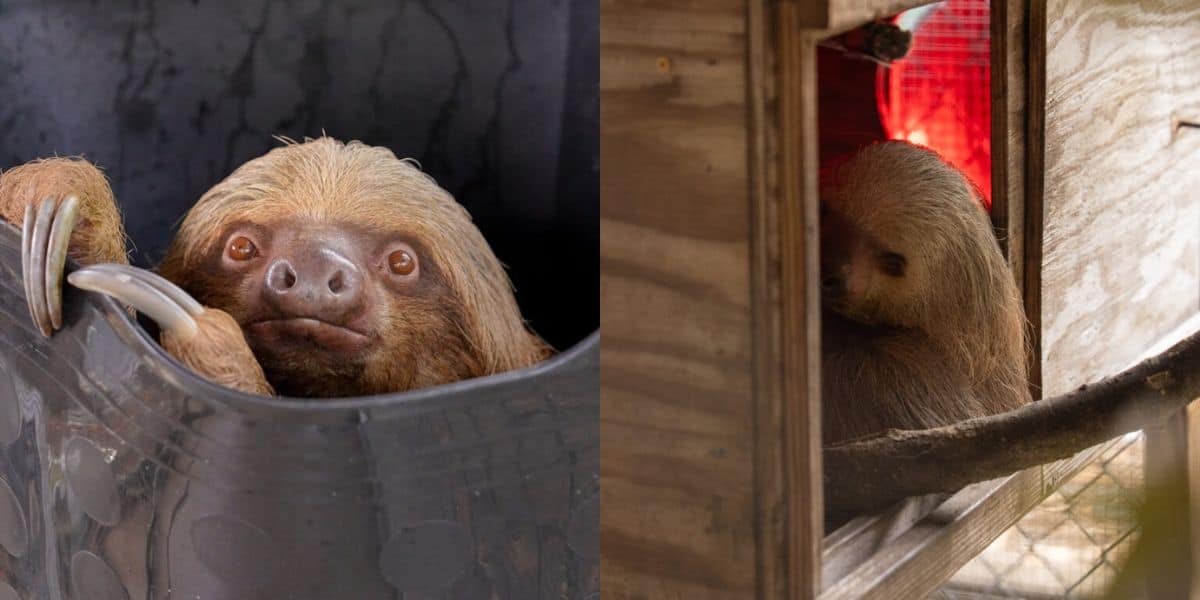
Thirteen critically ill sloths were eventually transferred to the Central Florida Zoo & Botanical Gardens in Sanford in April. Unfortunately, several of those survivors, including one named Willow, later died due to their poor condition upon arrival, leaving only eight remaining in the zoo's care.
A Call for Accountability: “Compliance is Not Care”
The finding that no criminal wrongdoing occurred despite 55 animal deaths has sparked immense backlash across Central Florida. However, local lawmakers point out that the fault lies not with the detectives, but with Florida's notoriously weak wildlife regulations.
Florida State Representative Anna Eskamani released a powerful statement regarding the sheriff's findings and the glaring legal loopholes they exposed.
“That is not a failure of the investigators. It is a failure of our statutes and our rules,” Eskamani stated. “When a facility can be in full compliance with every applicable state standard and animals still die by the dozens, the standards themselves are the problem. Compliance is not the same as care.”
The Future of Florida Animal Attractions
The Sloth World tragedy has cast a dark shadow over Florida's independent animal attraction industry. While Sloth World will remain a failed and shuttered project, the deaths have already prompted policy changes. Florida now requires a special permit before sloths can be imported into the state. Additionally, Orange County commissioners are exploring a potential ban on the use of exotic wildlife for commercial entertainment.
As the Orlando tourism sector continues to grow, this heartbreak emphasizes the urgent need for stricter regulations. Visitors flock to Central Florida to celebrate the magic of wildlife, and lawmakers are now fighting to ensure that no animal is brought into the state to suffer because of weak laws.