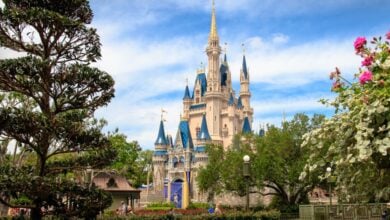

AI images depicting a flooded Walt Disney World have gained significant traction on social media amid the chaos following Hurricane Milton. Users on various platforms, particularly X (formerly Twitter), shared the images widely, sparking outrage and concern.

Many individuals mistakenly believed these generated images demonstrated real flooding at the famed theme park, misinterpreting the context. The viral images showcased familiar landmarks, leading to misleading narratives about the state of the park.
The misinterpretation of these AI images reflects the broader challenge of discerning fact from fiction on social media. Comments critiquing the political responses to Hurricane Milton exacerbated the situation. Some social media users leveraged the fake imagery to criticize governmental disaster preparation efforts, further intertwining politics with misinformation.
Disinformation Campaigns Exploit Crises
The use of disaster imagery for misleading purposes is not new. Historically, crises have been exploited by various bad actors to propagate misinformation.

Recent reports have indicated that Russian bots played a pivotal role in disseminating AI images related to Hurricane Milton. By flooding social media with deceptive content, they aimed to manipulate public opinion and create discord among Americans.
The implications of such misinformation campaigns are severe. Public perception and trust in institutions can erode as individuals grapple with conflicting narratives.
This strategy not only sows confusion but also diverts attention from genuine issues. As the images spread, many individuals began to question the authenticity of emergency responses and the reliability of governmental agencies.
This is Walt Disney World in Orlando now Water World.
Florida Strong, we will get up stronger than ever. 💪🙏🏽❤️ pic.twitter.com/WTRUaA1hu5— Eve🌹 (@EvelynS45238640) October 10, 2024
The Reality Behind the Misinformation
In contrast to the viral images, Disney's official response to Hurricane Milton indicated minimal damage. The company announced that while the theme park was closed, no significant flooding or destruction was reported.
Disney World management confirmed the park's status and emphasized ongoing operations for guests at their resort hotels. Actual storm damage in Central Florida primarily affected coastal areas, with reports highlighting flooding in regions like Tampa Bay rather than at Disney World.
Verifying social media claims has become imperative, especially in times of crisis. The rapid spread of misinformation poses a risk, leading individuals to make uninformed decisions based on inaccurate data. Public figures, organizations, and citizens must adopt a critical approach when consuming news to differentiate between fabricated narratives and verified facts.
#WATCH : Hurricane Milton has flooded Disney World in Orlando#flwx #hurricane #Milton #HurricaneWarning #HurricaneAlert #HurricaneMilton #DisneyWorld pic.twitter.com/IbDsBQZjro
— upuknews (@upuknews1) October 10, 2024
Political Ramifications of Misinformation
Political figures have not avoided utilizing the ongoing confusion surrounding Hurricane Milton. Both sides of the political spectrum have engaged in accusations, contributing to a divisive narrative.
Certain public representatives have used the disinformation to amplify their critiques of administrative responses, raising concerns about how the government manages disaster situations.

The storm's aftermath and the surrounding debates highlight the necessity for critical thinking and fact-checking. As misinformation proliferates, it becomes essential for individuals to question the validity of both the content they consume on social media and the motivations behind it.
The intertwining of political agendas and fabricated imagery risks diminishing public trust, underscoring the need for responsible information consumption in today's digital landscape.