
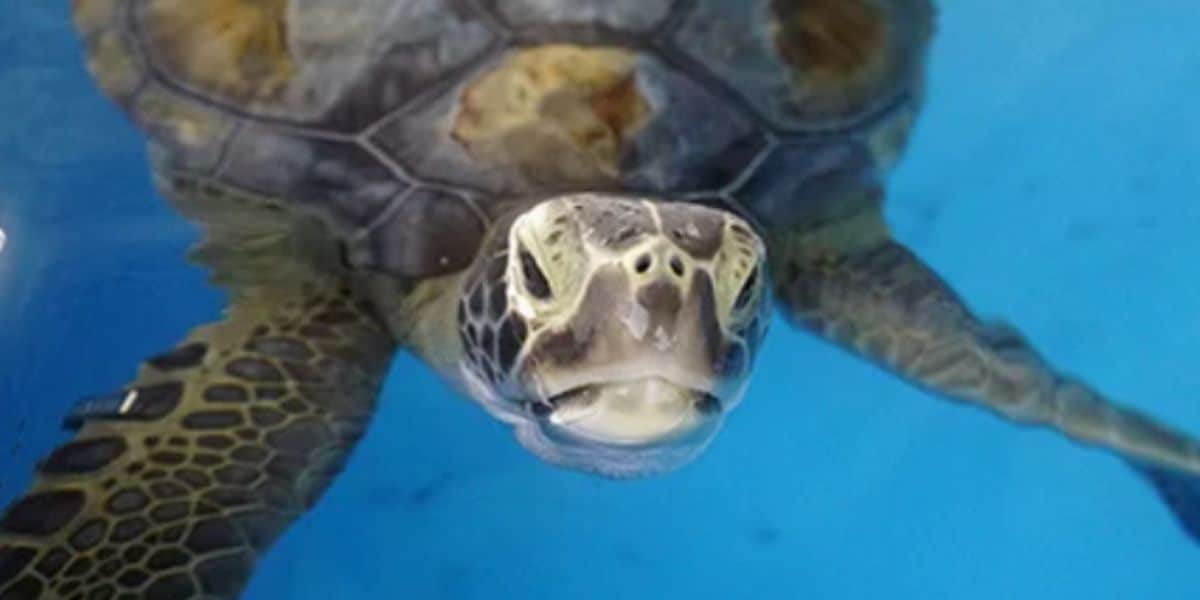
Give SeaWorld Orlando credit where it's due. And this week, it's due.
Nine green sea turtles were released into the Atlantic Ocean at River to Sea Preserve in Marineland, Flagler County, marking the latest chapter in a rescue program that has been running longer than most of its critics have been alive. The turtles arrived at SeaWorld's facility months ago in rough shape. They left this week in full health. What happened in between is worth knowing.
The Cold That Nearly Killed Nine Turtles
Florida had an unusually brutal winter in early 2026, and sea turtles paid for it. Green sea turtles are cold-blooded, and when water temperatures crash below their thermal tolerance, their bodies slow to near-shutdown, a condition called cold stress. Lethargy sets in, swimming becomes impossible, and secondary complications pile on fast, including the severe malnutrition that had taken hold in most of these nine by the time they arrived.
SeaWorld's rescue team went to work. Medical diagnostics, nutritional support, specialized rehabilitation, and months of around-the-clock care followed. One turtle needed extensive shell repair before it was cleared for anything resembling normal function. All nine cleared the program. All nine made it to Marineland.
Sixty Years and 43,000 Animals at SeaWorld
The nine turtles from this week sit inside a rescue legacy that is genuinely hard to argue with on the numbers alone. SeaWorld's rescue program has been running for more than 60 years and has responded to more than 43,000 sick, injured, and orphaned animals across that span. The teams operate 24 hours a day, 365 days a year, partnering with state, local, and federal agencies, stranding networks, and other zoos and aquariums.
In 2026 alone, SeaWorld Orlando has taken in 38 sea turtles and returned 27 to the wild, including this week's nine. That is a recovery rate worth noting, and it reflects decades of institutional knowledge about exactly this type of case.
The cold stress pipeline has become a seasonal reality for Florida's marine rescue operations. Unusual winters send more animals in, and SeaWorld's facility has the capacity and the veterinary depth to handle the volume. Not every rescue organization does.
The Part That Cuts Through the Noise
SeaWorld Orlando does not have an uncomplicated public reputation, and pretending otherwise would be its own kind of dishonesty. The debates around the park, its practices, and its place in the conservation conversation are real and ongoing.
But the nine turtles now swimming in the Atlantic do not care about any of that. They needed intervention to survive a Florida winter. SeaWorld's rescue team answered, did months of work, and handed nine animals back to the ocean in full health, one with a rebuilt shell.
That outcome is not a PR stunt. It is documented rescue work with a real result.
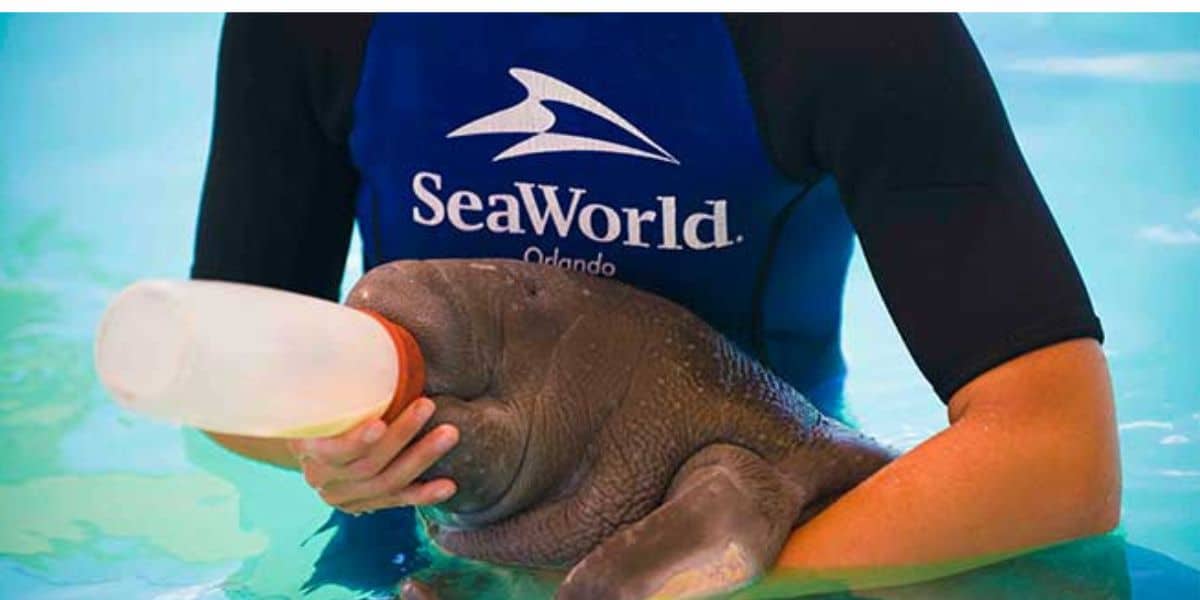
What 2026 Looks Like for This SeaWorld Program
Twenty-seven sea turtles returned to the wild so far this year. Eleven still in care. Thirty-eight total rescues. The program keeps moving because the need keeps coming, and the Florida coastline keeps producing cases that need exactly what SeaWorld's facility provides.
The park frames every ticket as a contribution to that mission, which is a marketing position that comes with the full weight of every other conversation about SeaWorld attached to it. But the release at Marineland stands on its own. Nine green sea turtles, months in the making, back in the Atlantic.
The ocean got them. SeaWorld made it possible. Both sentences are just true.