For millions of thrill-seekers, a visit to a theme park represents more than just roller coasters and funnel cakes. It’s a tradition — a place where families return year after year to relive childhood memories and create new ones. Across North America, parks operated by Six Flags Entertainment Corporation have long been part of that tradition.
From towering steel coasters to sprawling water parks, the Six Flags brand has built its reputation on delivering adrenaline-fueled experiences at regional destinations across the United States, Canada, and beyond. Guests often develop deep attachments to their home parks, returning each season with annual passes in hand.
But in the theme park world, even long-standing traditions can face sudden change. Over the past year, industry observers have noticed signs that the company’s portfolio might be shifting — and now, a major development has confirmed those suspicions.

The Magic of Regional Theme Parks Has Long Defined the Six Flags Brand
Unlike massive destination resorts such as those operated by The Walt Disney Company or Universal Destinations & Experiences, Six Flags has built its legacy on regional parks. These locations serve as accessible entertainment hubs for nearby communities, offering everything from family rides to record-breaking roller coasters.
Parks like Worlds of Fun in Kansas City or Valleyfair near Minneapolis have become summer staples for generations. Local guests often grow up visiting these parks with their families, eventually bringing their own children decades later.
That kind of loyalty is a powerful force in the theme park industry. Even as new attractions open and technologies evolve, many fans believe their home park will always remain part of the Six Flags family.
Recently, however, the company has begun reevaluating parts of its park portfolio.
Industry Watchers Began Noticing Changes After Recent Closures
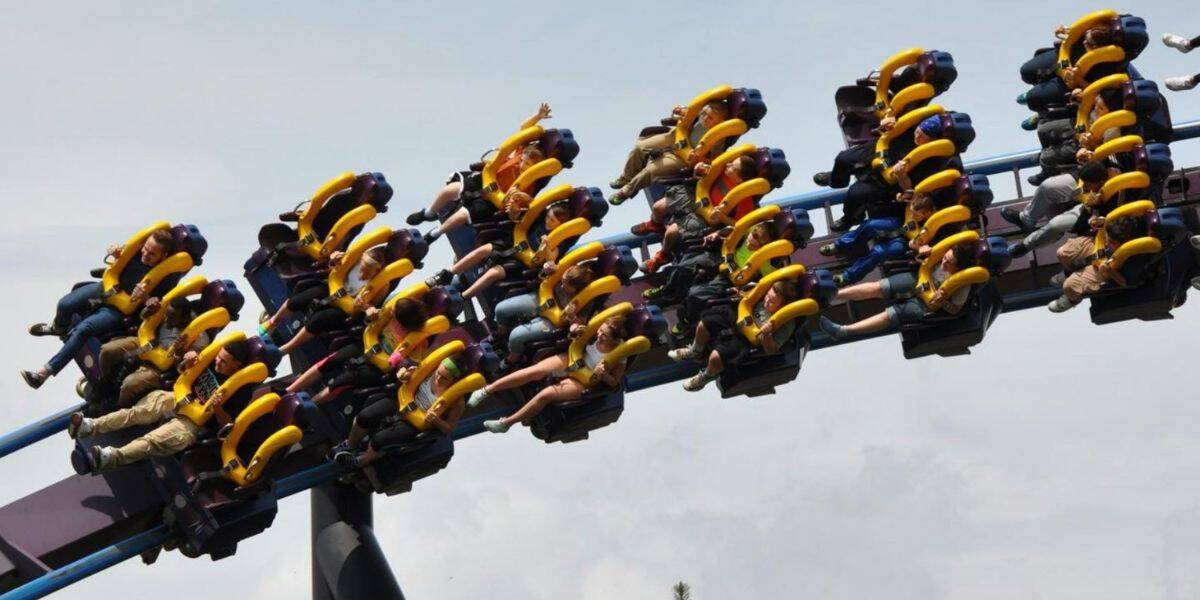
The shift first became more visible in late 2025 when Six Flags confirmed the closure of Six Flags America and its accompanying Hurricane Harbor water park in Bowie, Maryland. The property had operated for more than 50 years and featured over 100 rides, shows, and attractions.
Originally opening in 1974 as a drive-through safari called The Wildlife Preserve, the park was eventually converted into a Six Flags location in 1999. Its closure signaled that the company was willing to make difficult decisions regarding underperforming properties.
At the time, leadership hinted that more changes could be coming.
“Our efforts to stimulate demand did not achieve the desired returns,” former president and CEO Richard Zimmerman said in a statement regarding the company’s financial results. The company acknowledged that some parks had struggled to meet expectations despite increased marketing efforts.
Meanwhile, the industry itself was evolving rapidly. In July 2024, Six Flags merged with Cedar Fair in an $8 billion deal, creating the largest regional theme park company in the world. The new organization now operates dozens of amusement parks and water parks across North America.
With that merger complete, the company began taking a closer look at which properties would remain part of its long-term strategy.

Trademark Filings and Rumors Hinted That Big Changes Might Be Coming
Earlier this year, speculation began circulating among theme park enthusiasts after trademark filings surfaced with the United States Patent and Trademark Office.
An entity called Enchanted Parks Holdings, LLC submitted several applications connected to “amusement park services” and merchandise. The locations referenced in those filings appeared to correspond with several existing Six Flags parks.
Fans on platforms like X (formerly Twitter) and Reddit quickly began discussing what the filings could mean. Some speculated about potential rebrandings, while others wondered if ownership changes could be on the horizon.
For months, the company remained relatively quiet about the speculation.
That changed on March 5.

Six Flags officially confirms seven parks will be sold
Six Flags Entertainment Corporation announced Thursday that it will sell seven theme parks across the United States and Canada as part of a strategic portfolio shift.
The parks included in the deal are:
-
Michigan’s Adventure in Muskegon, Michigan
-
Schlitterbahn Waterpark Galveston in Texas
-
Six Flags Great Escape in Queensbury, New York
-
Six Flags La Ronde in Montreal
-
Six Flags St. Louis in Missouri
-
Valleyfair near Minneapolis
-
Worlds of Fun in Kansas City
According to the announcement, the properties will be sold to EPR Properties, a Kansas City–based real estate investment trust that already owns a range of entertainment venues, including movie theaters, ski resorts, and amusement attractions.
As part of the transition, EPR will partner with park operators including La Ronde Operations, Inc. for the Montreal location and Enchanted Parks for the six remaining U.S. parks.
Despite the major shift in ownership, Six Flags emphasized that guests should not expect immediate changes.
All seven parks will continue operating normally through the 2026 season, and existing season passes and memberships will remain valid.
The company stated it expects “no significant impact on guests during this transition.”

What this could mean for the future of regional theme parks
While the parks will continue operating for now, the long-term future of the properties remains unclear.
Six Flags’ new CEO, John Reilly, described the decision as part of a broader strategy to strengthen the company’s financial position.
“By focusing our resources on the parks that we believe have the highest growth potential, we expect to drive operating leverage, expand margins and accelerate our cash flow generation,” Reilly said in a press release.
For fans of the parks involved, the news has sparked a wave of reactions online. Some guests say they’re relieved the parks will remain open for the immediate future, while others worry about potential changes down the line.
Theme park communities on Reddit and X have already begun debating what the shift might mean for attractions, branding, and long-term investment at the affected locations.
For now, however, the gates remain open — and visitors can continue riding their favorite coasters for at least another season.
Still, the announcement represents one of the biggest portfolio changes in recent Six Flags history.
And for many longtime guests, the question now is simple: what happens next?