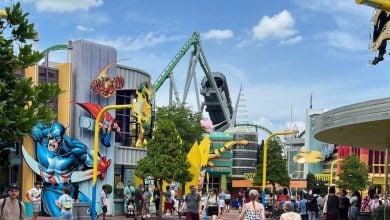
There's something fascinating about the days before a new theme park officially opens.
The rides haven't welcomed the general public yet. Families are still counting down to vacation day. Expectations remain sky-high because, for a brief moment, anything still feels possible.
But sometimes, long before opening day arrives, the conversation starts writing its own story.
That's exactly what's happening with Universal Kids Resort in Frisco, Texas.
While influencers have flooded social media with colorful videos of character meet-and-greets, attractions, and carefully framed moments, another conversation has quietly been growing underneath those posts. It's happening in comment sections, fan groups, and among longtime theme park enthusiasts who can't help comparing what they expected with what they're seeing.
For many fans, this isn't just about one new park. It feels like a test of what Universal believes families will accept—and whether first impressions can be overcome.
Fans Are Looking Beyond the Highlight Reels
Media previews traditionally generate excitement.
Creators showcase the best angles, fresh paint, smiling families, and attractions operating exactly as intended. That's part of the process.
Yet this time, many of the strongest reactions aren't coming from the videos themselves—they're coming from the audience watching them.
Comment after comment questions whether Universal Kids Resort looks finished.
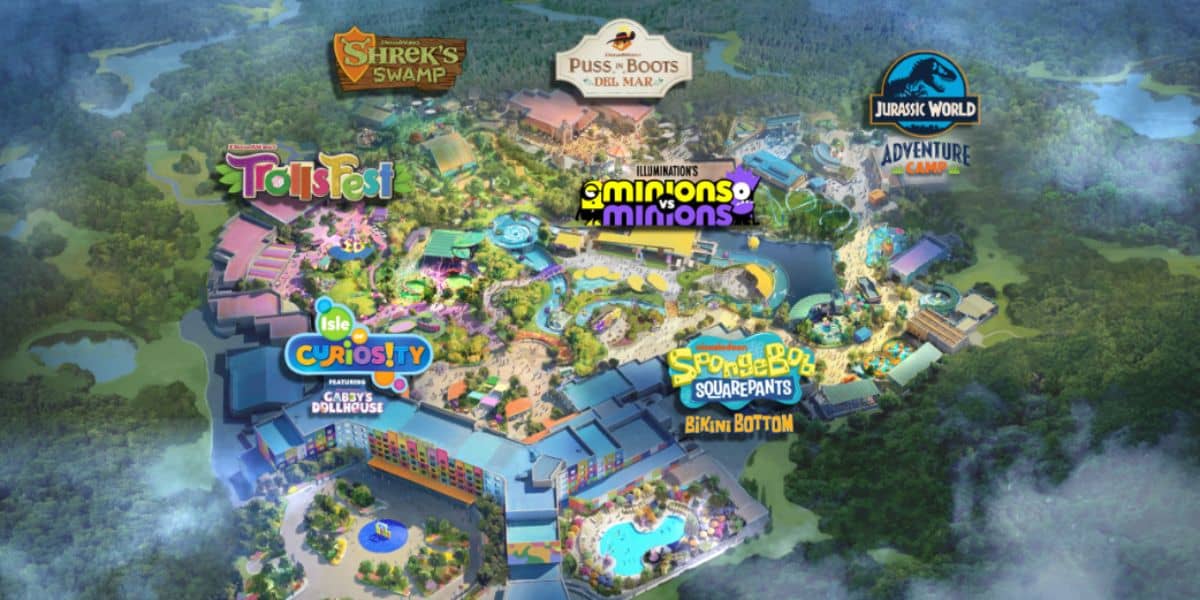
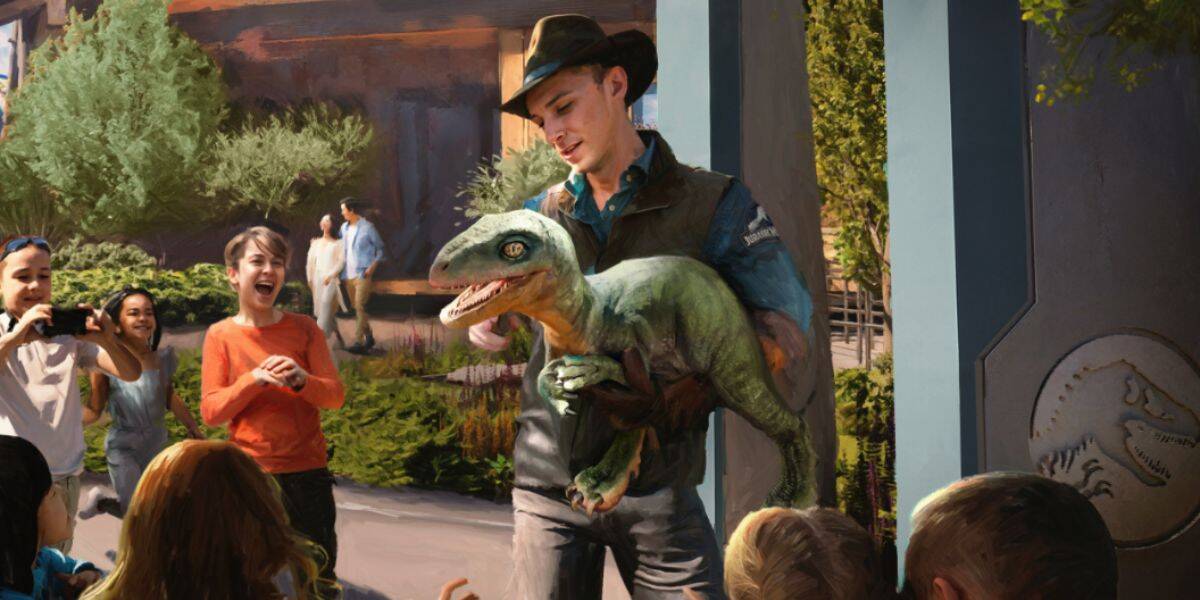
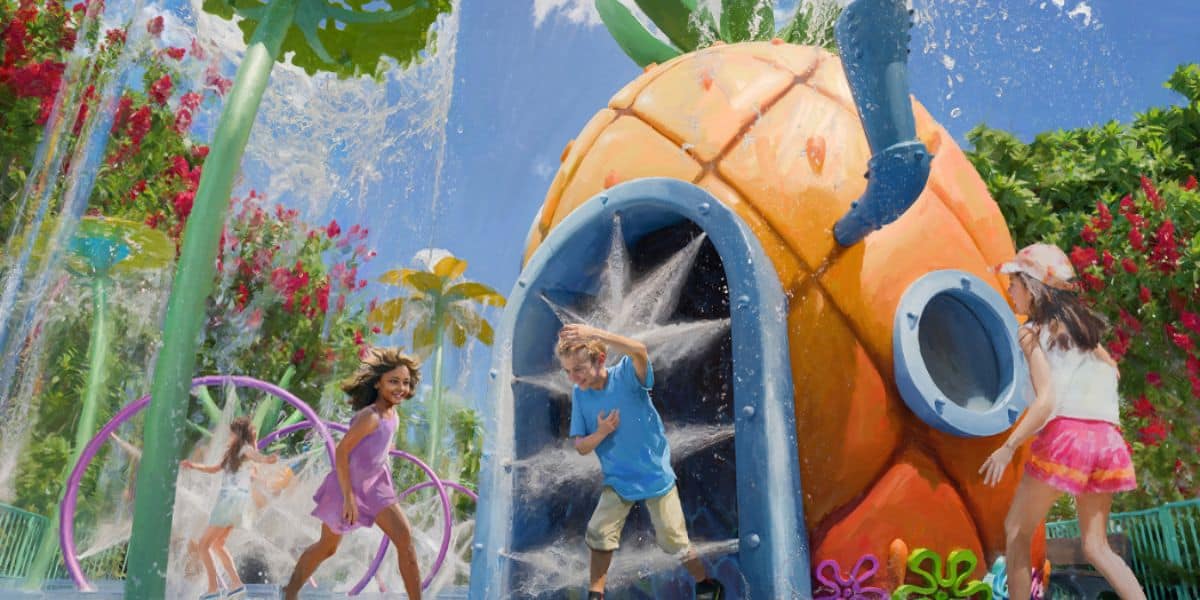
Some viewers have described the park as feeling sparse. Others believe the lush concept art released during development promised an experience that hasn't fully translated into reality.
One recurring theory appearing across social media suggests the project may have been rushed to meet its scheduled opening. Whether that's true or not, the perception itself is becoming part of the story.
And perception matters.
Especially before paying guests have even walked through the front gate.
The Biggest Criticism Isn't About the Rides
Not every preview has been negative.
The new Universal Kids Resort looks like a parking lot amusement park!
The new Universal Kids Resort looks like a parking lot amusement park! pic.twitter.com/m082i4v1Hu
— Vince Langman (@LangmanVince) June 24, 2026
The Jurassic World: Cretaceous Coaster has earned praise as a fun first coaster for younger children, offering gentle thrills that perfectly match its intended audience.
Small operational details—like child-sized restroom seats and family-friendly amenities—have also received genuine appreciation from creators who experienced the park firsthand.
But the loudest criticism has little to do with ride quality.
Instead, many fans are pointing toward the spaces between the attractions.
This isn’t concept art. This is real life. This is UNIVERSAL KIDS RESORT.
This isn’t concept art.
This is real life.
This is UNIVERSAL KIDS RESORT. pic.twitter.com/l5bMskS2yd
— Nick Hutson (@NickHutsonMusic) June 19, 2026
Shrek & Fiona's Happily Ogre After has become one of the most talked-about examples online, with social media users comparing portions of the queue and surrounding landscape to everything from highway medians to parking lot landscaping. Many expected an immersive swamp overflowing with storybook charm. Instead, critics argue the area relies heavily on open concrete, mulch, and widely spaced scenic elements that don't deliver the fantasy environment the concept art suggested.
Whether those comparisons are fair or exaggerated, they're spreading quickly.
And once an image gains traction online, reversing that narrative becomes significantly harder.
“It's Built for Kids” Isn't Ending the Conversation
Supporters of the project have offered an important reminder.
Universal Kids Resort was never designed to compete with Universal Orlando Resort or massive destination parks filled with elaborate dark rides and blockbuster attractions.
It's a regional park built specifically for children between roughly ages 3 and 8.
That context absolutely matters.
Little kids are likely to adore meeting Shrek, Gabby, SpongeBob, Trolls, Jurassic World characters, and the rest of Universal's younger franchises.
But critics argue there's another audience that can't be ignored.
Parents.
They're the ones buying admission, navigating summer heat, pushing strollers across expansive walkways, and deciding whether the experience justifies a return visit.
When ticket prices can climb well beyond $55 per guest, families naturally begin comparing value—not only against local attractions, but against Disney parks, regional amusement parks, children's museums, zoos, and even indoor entertainment centers.
Being “for kids” doesn't automatically lower expectations.
If anything, parents often expect even more.

The Real Test Begins After Opening Day
Perhaps the most significant question isn't whether Universal Kids Resort succeeds during its opening summer.
Curiosity alone will likely keep attendance healthy for months.
The larger challenge is what happens afterward.
Successful theme parks aren't built solely on opening crowds—they're built on repeat visitors.
Guests return because they discover details they missed, feel immersed in richly themed environments, or create traditions they want to relive.
That's where many fans believe Universal has work to do.
Shade trees will mature over time. Landscaping can grow. Additional theming can be installed. Character experiences can evolve. Even entirely new attractions aren't out of the question if demand supports future investment.
Universal has shown before that it's willing to improve projects after opening.
The question is whether those improvements arrive quickly enough to reshape the conversation.

Universal Still Has Time to Rewrite the Narrative
One of the biggest mistakes companies can make is assuming opening day marks the finish line.
In reality, it's often just the beginning.
Universal Kids Resort represents a major investment in North Texas and a bold attempt to introduce a new type of destination aimed squarely at young families. That's an exciting concept—and one that many parents genuinely want to succeed.
But first impressions have become more powerful than ever in the social media era.
Every viral comparison, disappointed comment, and side-by-side image adds another layer to public perception before many guests even have the chance to form their own opinions.
Fortunately for Universal, perceptions aren't permanent.
If the company listens to guest feedback, invests in richer theming, expands shade, enhances atmosphere, and continues building the immersive experience many expected, today's criticism could eventually become tomorrow's success story.
Because the conversation surrounding Universal Kids Resort isn't really about whether toddlers will have fun.
It's about whether families will still be talking about this park for the right reasons five—or even ten—years from now.