
Lucasfilm has released a new canon tie-in comic bridging The Mandalorian Season 3 and this year's theatrical release The Mandalorian and Grogu (2026), a rollout that arrives alongside mounting evidence of a broader strategic pivot away from the Disney+ series format that built the franchise.

The Mandalorian premiered on Disney+ in 2019 as the platform's first major live-action Star Wars success, introducing Din Djarin (Pedro Pascal) and Grogu while establishing connective tissue for characters including Ahsoka Tano, Bo-Katan Kryze, and Grand Admiral Thrawn against the backdrop of a fragile New Republic. For several years, industry expectations held that the series would continue into a fourth season.
That expectation has not been borne out. Several data points, taken together, indicate Lucasfilm has moved away from a Season 4 order in favor of consolidating that narrative material into theatrical and publishing formats instead.
The clearest public marker came via the official featurette accompanying The Mandalorian and Grogu, which lists the series' run as “2019–2023” — phrasing conventionally used to denote a concluded television property. The featurette contains no reference to a fourth season and no forward-looking indication that the series will resume.
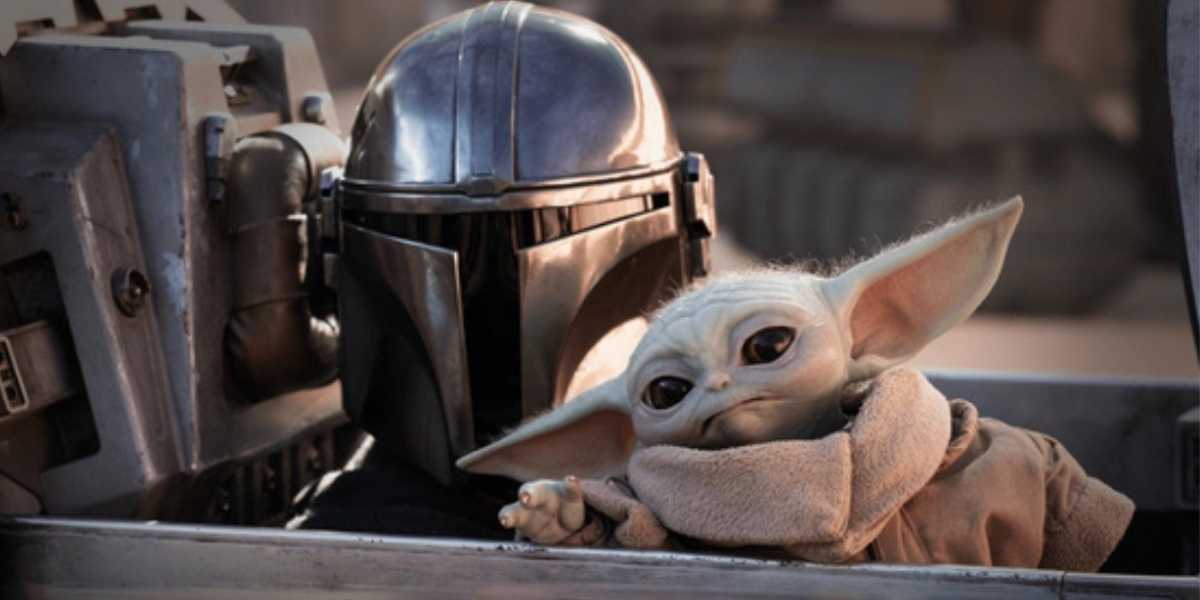
The framing has been corroborated by individuals connected to the production. Series creator Jon Favreau has stated that scripts for a fourth season were completed prior to Lucasfilm's decision to redirect that material toward a feature film. Favreau indicated the scrapped season was structured to intersect with Ahsoka Season 2, continuing storylines tied to the Thrawn conflict and the New Republic's institutional instability.
Supporting accounts have come from cast members attached to the film. Jonny Coyne, who portrays Imperial officer Janu Coin, said he had anticipated a multi-episode arc for his character within the planned fourth season. Hemky Madera, who plays Empire Commander Barro, said material originally written for a standalone television episode was instead incorporated into The Mandalorian and Grogu. Taken together, the accounts suggest the fourth season had progressed well past early development before its narrative elements were redirected into the film.
The Mandalorian and Grogu was constructed as a largely self-contained entry point, reducing the prerequisite viewing typically associated with the franchise's serialized Disney+ output. The film generated approximately $340 million in worldwide box office receipts. A pronounced second-weekend decline has since prompted industry discussion regarding the durability of a theatrical-first approach for Lucasfilm's interconnected storytelling model going forward.

Lucasfilm has also updated its official New Republic era timeline, positioning The Mandalorian and Grogu at the chronological endpoint of that chapter — a placement previously held by Star Wars: Skeleton Crew. The repositioning indicates that, for the moment, the studio regards the theatrical release rather than any streaming installment as the furthest advancement of this era's continuity.
The era's timeline, per Lucasfilm, is structured as follows:
- The Mandalorian launched the era and the broader Disney+ Star Wars slate, tracking Din Djarin's arc from bounty hunter to Grogu's protector.
- The Book of Boba Fett redirected focus to Tatooine's criminal underworld, following Boba Fett's (Temuera Morrison) consolidation of power while intersecting with Din Djarin's storyline.
- Ahsoka broadened the era's geography, following Ahsoka Tano (Rosario Dawson) in pursuit of Grand Admiral Thrawn (Lars Mikkelsen) and formally integrating the animated Star Wars Rebels continuity into live-action canon.
- Star Wars: Skeleton Crew adopted a distinct tonal register, filtering the New Republic period through a group of children navigating an unexpected galactic adventure; it previously served as the era's terminus.
- The Mandalorian and Grogu now closes the sequence, positioning the film as the studio's next intended narrative benchmark for the period.
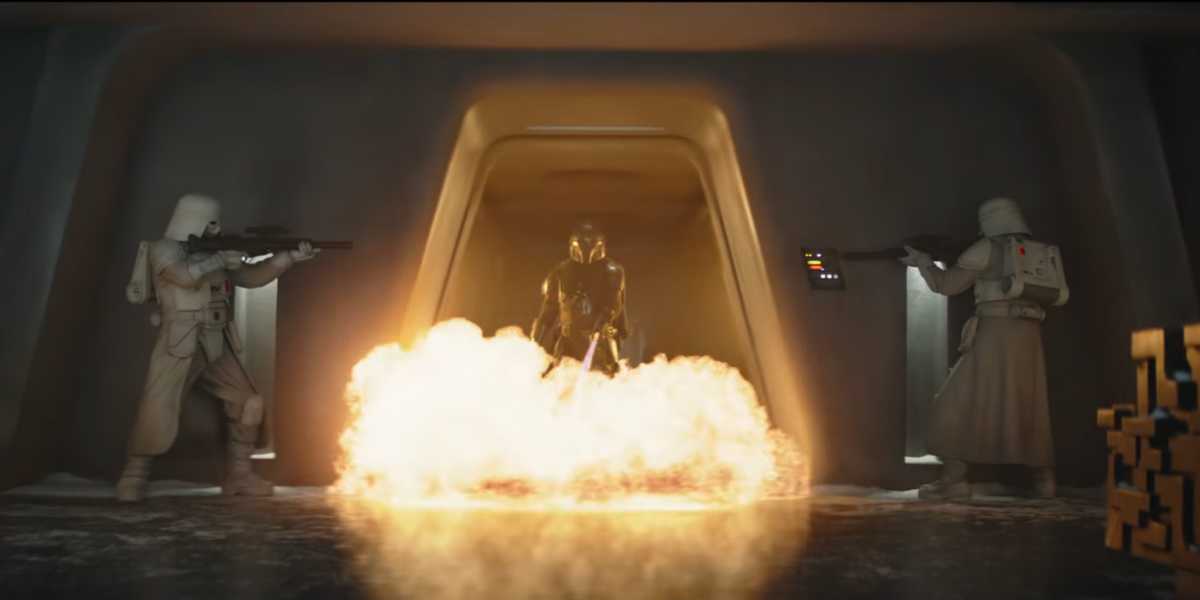
Lucasfilm's forward slate includes Ahsoka Season 2, expected to carry forward several threads originally slated for the canceled fourth season, alongside the theatrical feature Star Wars: Starfighter, currently scheduled for a 2027 release.
Beyond live-action programming, Lucasfilm has increasingly leaned on comics to extend franchise continuity. Marvel Comics has previously adapted the first two seasons of both The Mandalorian and The Book of Boba Fett into comic form as direct retellings. “The Mandalorian and Grogu: Danger in the Dark,” released July 22 through Papercutz and Lucasfilm Publishing, departs from that model with an original story set after Season 3.
Written by Delilah S. Dawson with art by Arianna Florean, the one-shot follows Din Djarin and Grogu investigating a crashed pirate vessel beneath the surface of Nevarro. While largely a standalone narrative, its closing pages establish direct continuity with the feature film: Din receives a call from Colonel Ward (Sigourney Weaver) that initiates the events depicted in The Mandalorian and Grogu.
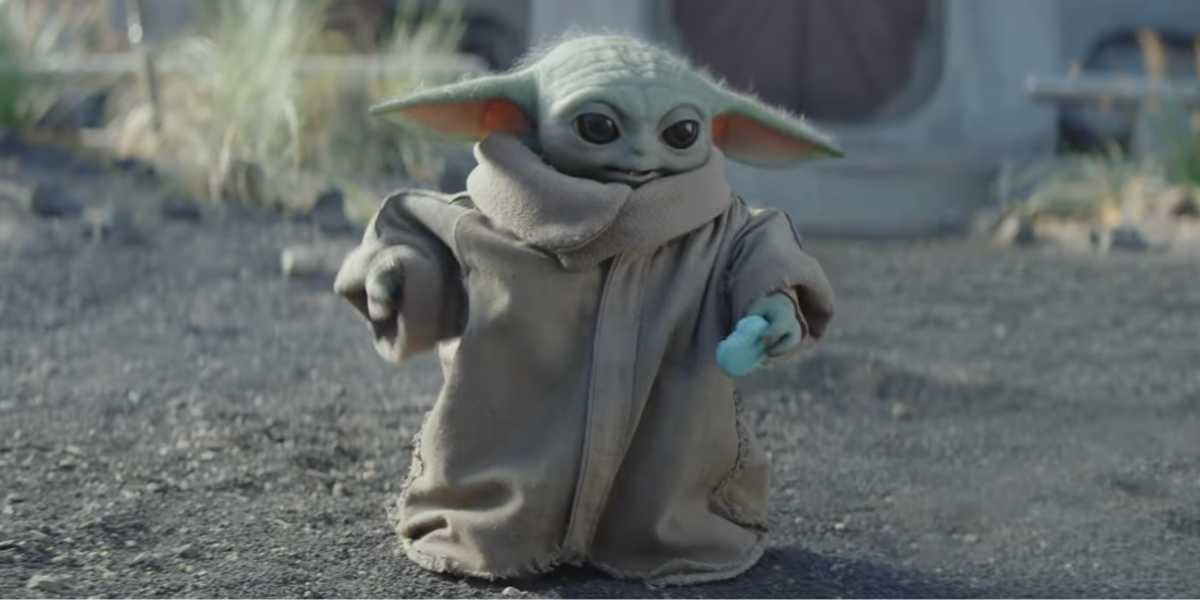
The comic's release, paired with the timeline update and cast commentary, reinforces a franchise strategy increasingly centered on theatrical and publishing expansion rather than a continuation of the flagship streaming series in its original form.
What are you most looking forward to in Star Wars‘ future? Let us know in the comments down below!