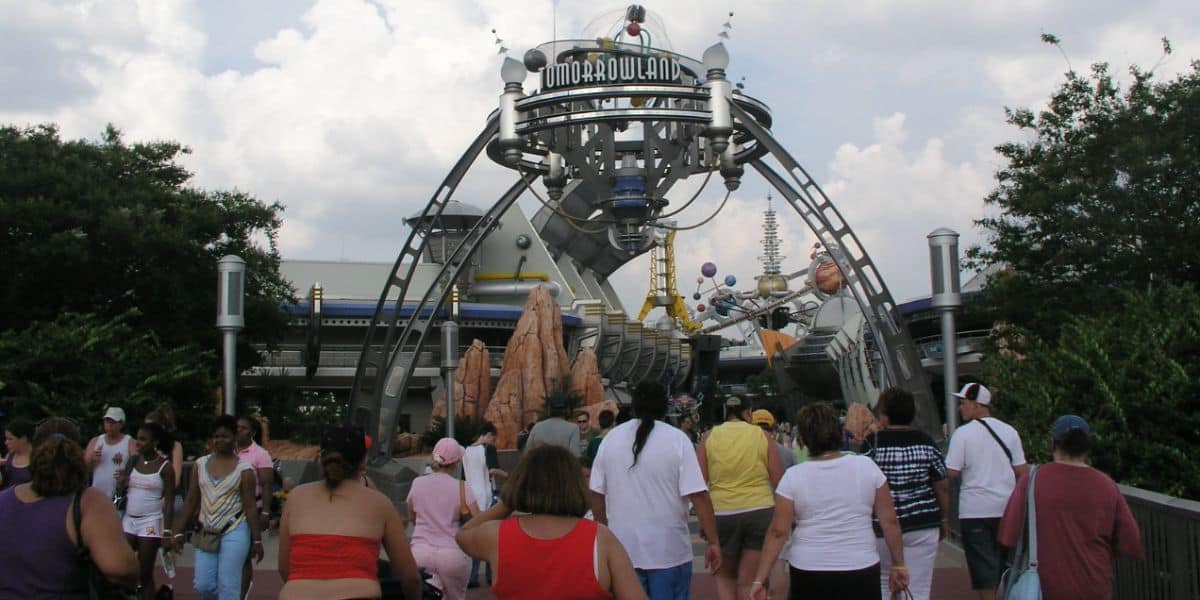
There was a time when predicting Disney World crowds felt almost mechanical.
You avoided holidays. You skipped school breaks. You picked mid-January or early September. And more often than not, the parks were exactly as expected.

Those patterns were built on a simple idea: most people could only travel at certain times of the year. That assumption no longer holds. The first thing that broke the system was how the calendar itself changed.
Disney now schedules far more year-round events than it used to. Run weekends, after-hours parties, conventions, seasonal celebrations, and constant promotions mean there are very few neutral weeks left.
Even the slowest periods now come with built-in demand. The off-season wasn’t replaced. It was filled in. The second problem is that travel behavior itself changed.
Remote work and flexible schedules mean families no longer have to wait for summer or Christmas. They can travel in February, October, or on short notice in the middle of the school year. That spreads demand across the entire calendar. Which sounds good. Until you realize it destroys predictability.
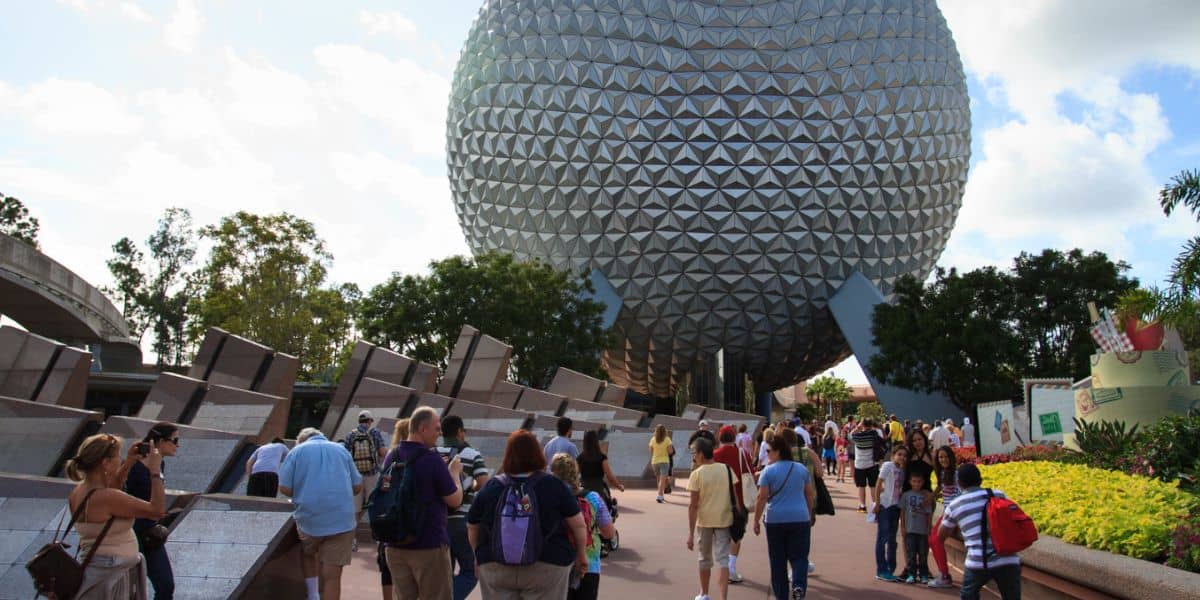
Instead of a few big peaks and deep valleys, Disney now has steady pressure almost every week of the year.
Then there’s how attendance now moves inside the day.
With no reservations for most guests and easy park hopping, crowds shift dynamically. If Hollywood Studios looks busy online that morning, people avoid it. If Magic Kingdom looks lighter, it fills by noon.
Crowds now move in response to social media and wait-time apps, not long-term planning. That kind of movement didn’t exist when the old models were built. Lightning Lane adds another layer of distortion.
Even on moderate days, standby waits rise faster because more guests are using the paid system. Lines feel heavier. Popular rides clog earlier. The same attendance level now feels far worse than it once did. So the data says “average,” but the experience says “packed.” And finally, discounts rewired demand.

Instead of traveling during slow seasons, guests now travel when the price is right. A strong promotion can instantly turn a quiet week into a crowded one.
Crowds now follow deals, not history.
All of this breaks the old system.The crowd calendars still exist. The historical data still exists. But the assumptions behind them no longer match reality.
Disney World didn’t become impossible to predict overnight. It just stopped behaving like the park it used to be.
And until a new pattern replaces the old one, no algorithm is going to fully make sense of it.