Few franchises have attempted storytelling on the scale of the Marvel Cinematic Universe. Since the late 2000s, Marvel Studios has connected dozens of films and streaming series into one continuous storyline.
The result is a massive narrative spanning decades of fictional history. With so many characters and storylines weaving together, deciding where to start can feel overwhelming.
That’s why many fans turn to chronological viewing. Instead of watching projects in the order they were released, this method follows the MCU's timeline of events. When you watch the story unfold this way, the Marvel universe develops in a much more natural progression.
Disney+ Changed How Fans Watch the MCU
Streaming has completely changed the way audiences experience Marvel stories. Disney+ now serves as the central hub for much of the Marvel Cinematic Universe, making it easier than ever to access both films and television entries in one place.
The streaming shows are not simply bonus content. Many of them play an important role in continuing the larger narrative.
Series like WandaVision (2021), Loki (2021), and The Falcon and the Winter Soldier (2021) introduce major developments that influence future MCU stories. Because of this, watching the MCU chronologically means including both theatrical releases and Disney+ series.

The Beginning of the Marvel Timeline
The MCU timeline begins during World War II with Captain America: The First Avenger (2011). This story introduces Steve Rogers and the experiment that transforms him into Captain America.
The next chapter jumps to the 1990s in Captain Marvel (2019). This film explores Carol Danvers’ origin while revealing early connections between Nick Fury and the larger cosmic side of Marvel’s universe.
From there, the timeline enters the modern era with Iron Man (2008). Tony Stark’s transformation into a superhero sets in motion a chain of events that ultimately leads to the formation of the Avengers.
Additional introductions follow through Iron Man 2 (2010), The Incredible Hulk (2008), and Thor (2011).
When Earth’s Mightiest Heroes Unite
Everything changes when the Avengers finally assemble. The Avengers (2012) brings together several of Marvel’s heroes for the first time as they fight Loki and defend Earth from an alien invasion.
The aftermath of that battle shapes several future stories. Characters struggle with the consequences in Thor: The Dark World (2013) and Iron Man 3 (2013).
Soon afterward, Captain America: The Winter Soldier (2014) dramatically alters the MCU’s political landscape and reshapes the future of S.H.I.E.L.D.
Meanwhile, Marvel expands into cosmic territory with Guardians of the Galaxy (2014) and Guardians of the Galaxy Vol. 2 (2017).

Divisions Form Among the Avengers
As the MCU expands, the Avengers begin facing challenges from within.
Avengers: Age of Ultron (2015) introduces powerful new characters while hinting that disagreements among the heroes are growing.
Those disagreements finally reach a breaking point in Captain America: Civil War (2016). The Avengers split into opposing factions, creating lasting consequences for the entire universe.
Around the same time, several new heroes make their debut. Films like Ant-Man (2015), Black Widow (2021), Black Panther (2018), Spider-Man: Homecoming (2017), and Doctor Strange (2016) introduce characters who soon become essential to the MCU.
The timeline continues building toward a massive conflict with Thor: Ragnarok (2017) and Ant-Man and the Wasp (2018).
The Infinity Saga’s Defining Battle
The MCU’s first major saga reaches its climax when Thanos steps into the spotlight.
In Avengers: Infinity War (2018), heroes from across the galaxy attempt to stop the Mad Titan from collecting the Infinity Stones.
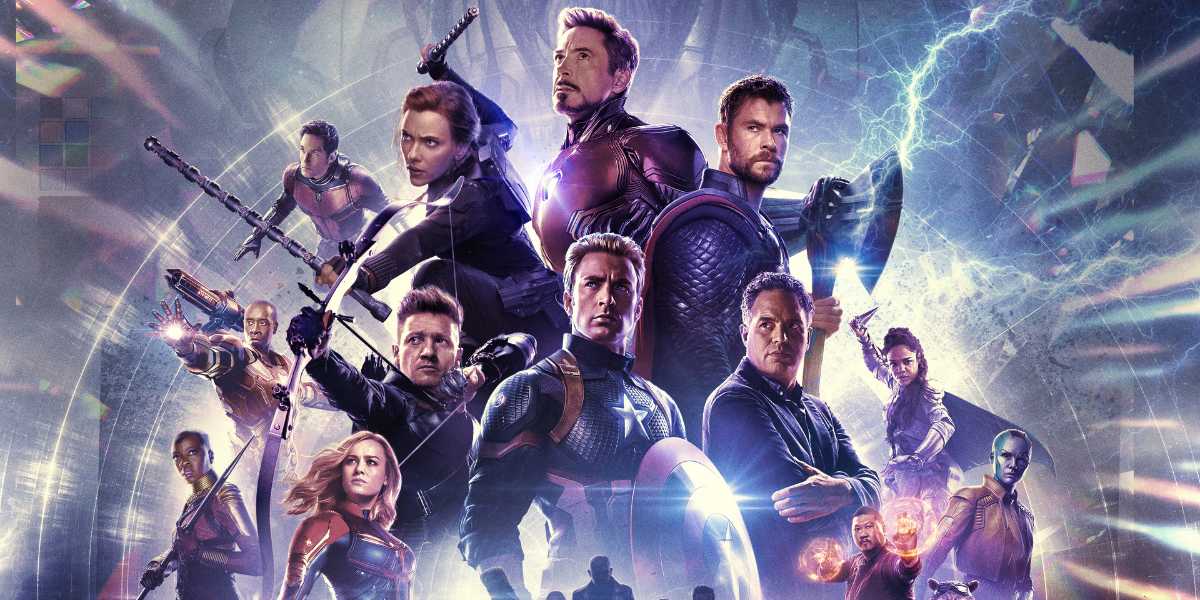
The story concludes in Avengers: Endgame (2019), where Marvel brings together characters from nearly every previous entry for one final battle.
This moment closes the Infinity Saga while opening the door to new storytelling directions.
Streaming Stories Continue the Timeline
Following Avengers: Endgame (2019), the Marvel Cinematic Universe begins exploring what the world looks like after the Avengers’ battle with Thanos. One of the earliest stories set in this post-Endgame era is Spider-Man: Far From Home (2019), which follows Peter Parker as he struggles with the loss of Tony Stark while trying to figure out his place among Earth’s heroes.
From there, Marvel begins expanding the story through its Disney+ series.
Loki Season 1 (2021) and What If…? Season 1 (2021) both dive into the idea of branching timelines and alternate realities, introducing the concept of the Multiverse that becomes increasingly important to the MCU’s future.
Meanwhile, WandaVision (2021) focuses on Wanda Maximoff’s grief after the events of Endgame and sets up key developments that later connect directly to Doctor Strange in the Multiverse of Madness (2022).
Other series, including The Falcon and the Winter Soldier (2021) and Hawkeye (2021), explore how the world continues adjusting as the Avengers’ original team begins stepping away from the spotlight.

New Heroes Enter the Multiverse Saga
As the MCU moves deeper into its next era, several new heroes step into the spotlight. Films like Shang-Chi and the Legend of the Ten Rings (2021) and Eternals (2021) introduce entirely new corners of Marvel’s mythology and expand the scope of the universe.
Around this same point in the timeline, Spider-Man: No Way Home (2021) pushes the Multiverse storyline even further as Peter Parker’s life collides with characters from other realities.
Meanwhile, series such as Moon Knight (2022), Ms. Marvel (2022), and She-Hulk: Attorney at Law (2022) explore different storytelling styles within the MCU, ranging from supernatural adventures to street-level heroics.
Other stories continue building the timeline, including Thor: Love and Thunder (2022), Werewolf by Night (2022), and Black Panther: Wakanda Forever (2022).
The narrative then continues to expand through Ant-Man and the Wasp: Quantumania (2023), Guardians of the Galaxy Vol. 3 (2023), Secret Invasion (2023), Loki Season 2 (2023), The Marvels (2023), Echo (2024), and Agatha All Along (2024).

The Latest Additions to the MCU Timeline
The Marvel universe continues expanding with more recent entries.
Captain America: Brave New World (2025) moves the Captain America legacy forward, while Thunderbolts (2025) introduces a team made up of antiheroes from across previous Marvel stories.
Marvel also launches a new chapter with The Fantastic Four: First Steps (2025), introducing another major group of heroes.
The timeline then continues with Wonder Man (2026), one of the newest Disney+ series connected to the MCU.

Experiencing the MCU From Start to Finish
Watching the Marvel Cinematic Universe chronologically allows the entire story to unfold in a seamless way.
Instead of jumping between timelines based on release dates, viewers follow the natural progression of events inside the Marvel universe.
That approach makes character development, plot twists, and long-term connections much easier to appreciate.
With Disney+ bringing many of these entries together, fans now have a simple way to explore the Marvel saga from its earliest origins to its newest adventures.