
Few vacations demand as much rigid planning as a trip to Walt Disney World. Months before boarding a flight to Orlando International Airport (MCO), families invest thousands of dollars locking down non-refundable theme park tickets, reserving $300 to $800-per-night resort rooms, securing hard-to-get dining reservations, and purchasing date-specific Lightning Lane passes. Because every hour of a Disney itinerary is prepaid and synchronized, an unexpected flight interruption isn't just an annoyance—it's a financial wipeout.
Over the past month, air travelers have faced mounting concern as the federal government prepared to weaken key passenger protection standards. A new Department of Transportation (DOT) rule implementing Section 511(b) of the FAA Reauthorization Act of 2024 threatened to drastically scale back the circumstances under which airlines are required to cover hotel rooms, meals, and transit during delays.
Disney travelers just caught a major break: the DOT officially delayed the rule’s effective date to February 1, 2027. While this reprieve safeguards families flying down for the 2026 holiday rush, it merely delays an impending shift in air travel. Once 2027 arrives, flying into Orlando will carry significantly higher financial stakes.
Redefining “Airline Fault”
To understand why this change matters so much to Disney vacationers, look at how flight disruptions have traditionally been handled.

Under pressure from federal customer service dashboards, major airlines committed to providing stranded passengers with complimentary hotel vouchers, ground transportation, and meals whenever a cancellation or overnight delay was deemed “controllable”—meaning the airline's responsibility.
The new final rule alters that standard by carving out 10 specific disruption categories from the traditional “Air Carrier” fault category and placing them into a separate non-carrier code. The exempt scenarios include:
- Unscheduled, non-deferrable preflight maintenance or repairs.
- Aircraft damage caused by severe weather, foreign object debris, or sabotage.
- Third-party baggage system failures.
- Unruly passenger removals.
- In-flight medical emergencies.
- Overheated brakes resulting from emergency safety maneuvers.
- Qualified cybersecurity incidents.
- Unscheduled government system outages.
- Airport closures stemming from severe wind, wind shear, or volcanic ash.
- Sanitization is required following the death of a passenger.
The Unscheduled Maintenance Dilemma
The single biggest hazard for theme park guests is the exclusion of unscheduled preflight maintenance.

Historically, if a hydraulic warning light, a cracked cockpit window, or a computer glitch grounded a jet at the gate, the airline bore operational responsibility. If that mechanical failure stranded passengers overnight, the carrier provided a hotel room and food vouchers.
Under the new regulatory standard taking effect in February 2027, airlines will no longer have to report mandatory, non-deferrable gate repairs as carrier-controllable issues. If your evening flight to Orlando is canceled due to a sudden mechanical failure, the airline will owe you no complimentary lodging or meal compensation. You will be left to scramble for an airport hotel room out of your own pocket while your empty Disney resort room sits waiting hundreds of miles away.
The Expensive Domino Effect in Orlando
For standard travelers, an overnight airport delay is frustrating. For Disney travelers, it sets off an expensive chain reaction:
- Sunk Hotel Costs: Disney resort reservations require steep upfront commitments. If your arrival is delayed by 24 hours, you cannot recoup that lost night at a Value or Deluxe resort. You end up double-paying: once for the empty Disney bed, and once for an unexpected airport stay.
- Forfeited Lightning Lane Passes: Pre-purchased Lightning Lane Multi Pass and Single Pass reservations are non-refundable and tied to specific calendar days. Missing your first park day means forfeiting reservations for premier rides like Tiana’s Bayou Adventure or Guardians of the Galaxy: Cosmic Rewind.
- Dining No-Show Fees: Coveted reservations at venues like Cinderella’s Royal Table or Be Our Guest carry a $10-$25 per-person cancellation fee if not canceled at least 2 hours in advance. Getting stranded on a tarmac or at a departure gate often makes timely cancellation impossible.
How to Protect Your Trip
With the federal rule's enforcement officially pushed back to February 1, 2027, travelers have time to prepare:
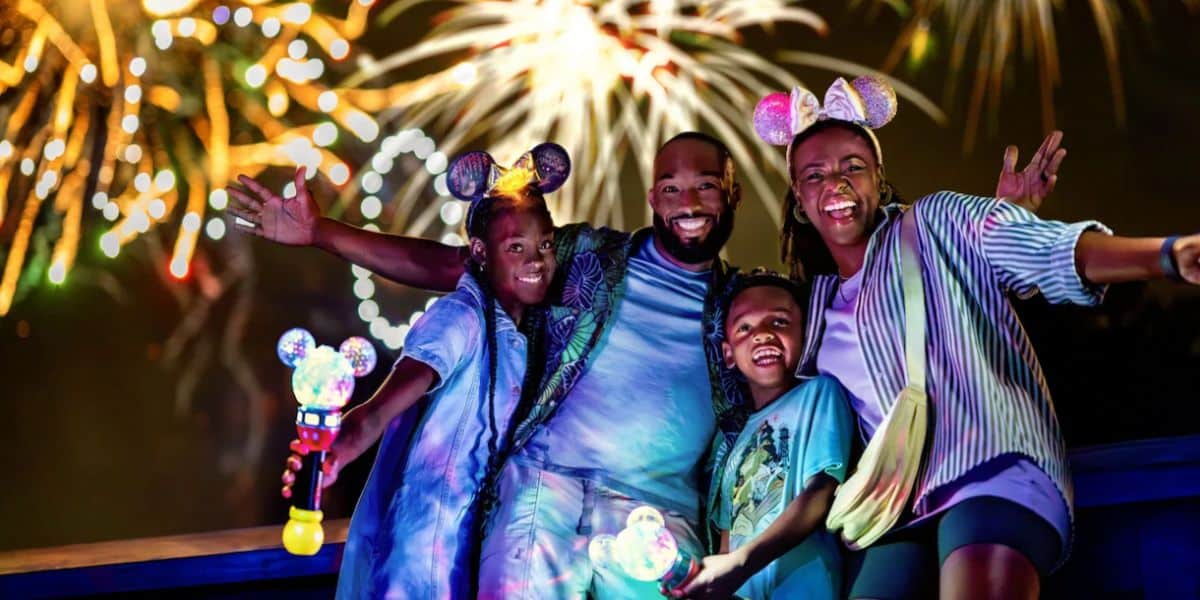
- Build a Buffer Day: Never schedule your first day in the theme parks on your flight arrival date. Flying in the afternoon prior gives you a cushion against unexpected mechanical cancellations.
- Buy Independent Travel Insurance: Don't depend on airline commitments. Invest in comprehensive travel insurance that includes dedicated coverage for travel delays and missed prepaid hotel reservations.
- Book with Premium Travel Credit Cards: Pay for your flights with a credit card that offers automatic trip delay reimbursement, providing an emergency safety net if you are forced to book an unexpected hotel room.
The temporary delay until 2027 spares holiday travelers, but the landscape of domestic air travel is shifting. When booking your next magical getaway, planning for flight disruptions is no longer optional—it's essential.