Every year, hundreds of millions of thrill seekers lock themselves into roller coaster harnesses, eager to experience the stomach-churning drops, violent twists, and blistering speeds of modern thrill rides. The entire amusement park industry relies on a precise psychological illusion: giving riders the visceral sensation of sheer mortal terror while promising absolute mechanical safety.
Yet when that promise shatters, the impact is devastating.
Following a fatal plunge from a 200-foot hypercoaster in Georgia, the abrupt retirement of an iconic California ride linked to dozens of traumatic brain injuries, and an earlier death at Universal's newest theme park, public scrutiny has reached an all-time high. As parks construct taller, faster, and more intense attractions, questions are mounting: Why do people die or suffer catastrophic harm on roller coasters, and what do the numbers say about how safe these rides actually are?
A Chilling Wave of Coaster Casualties
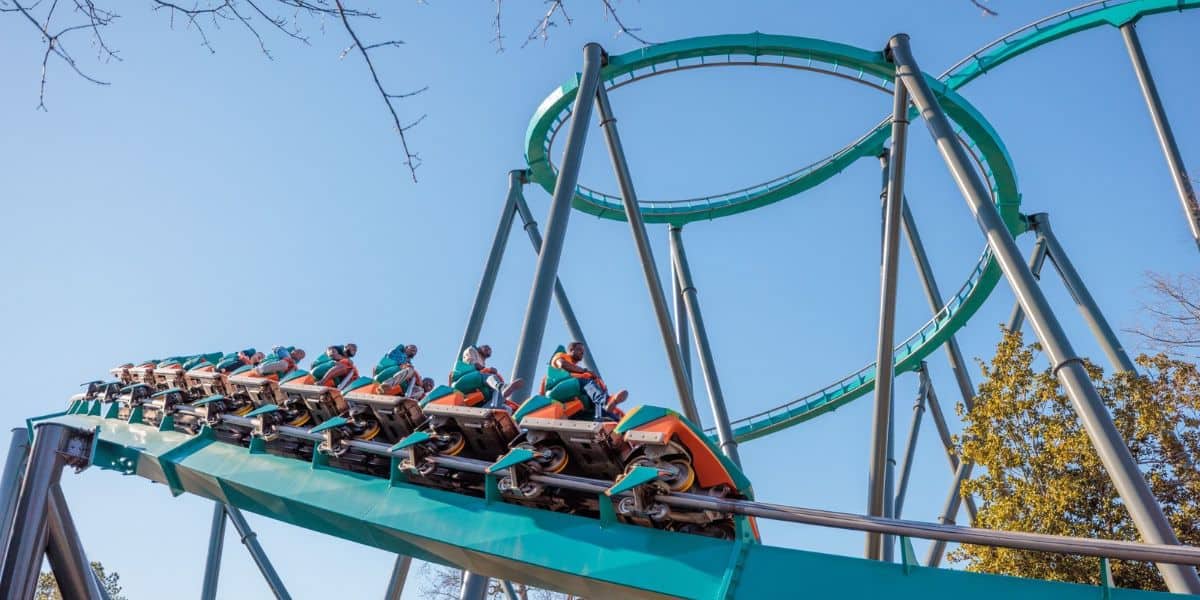
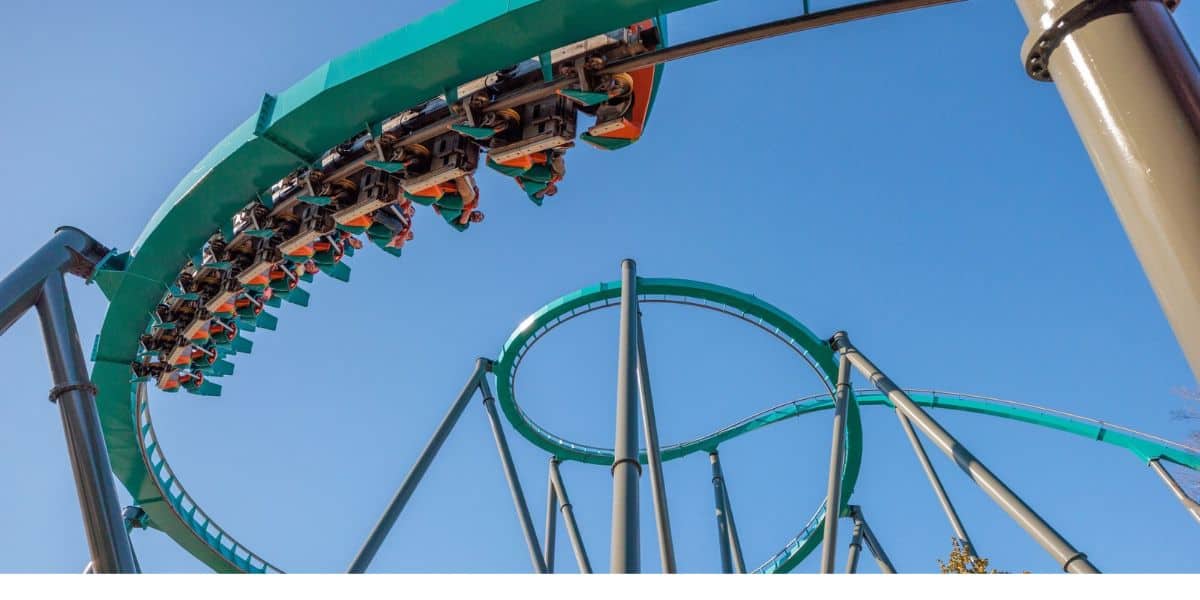
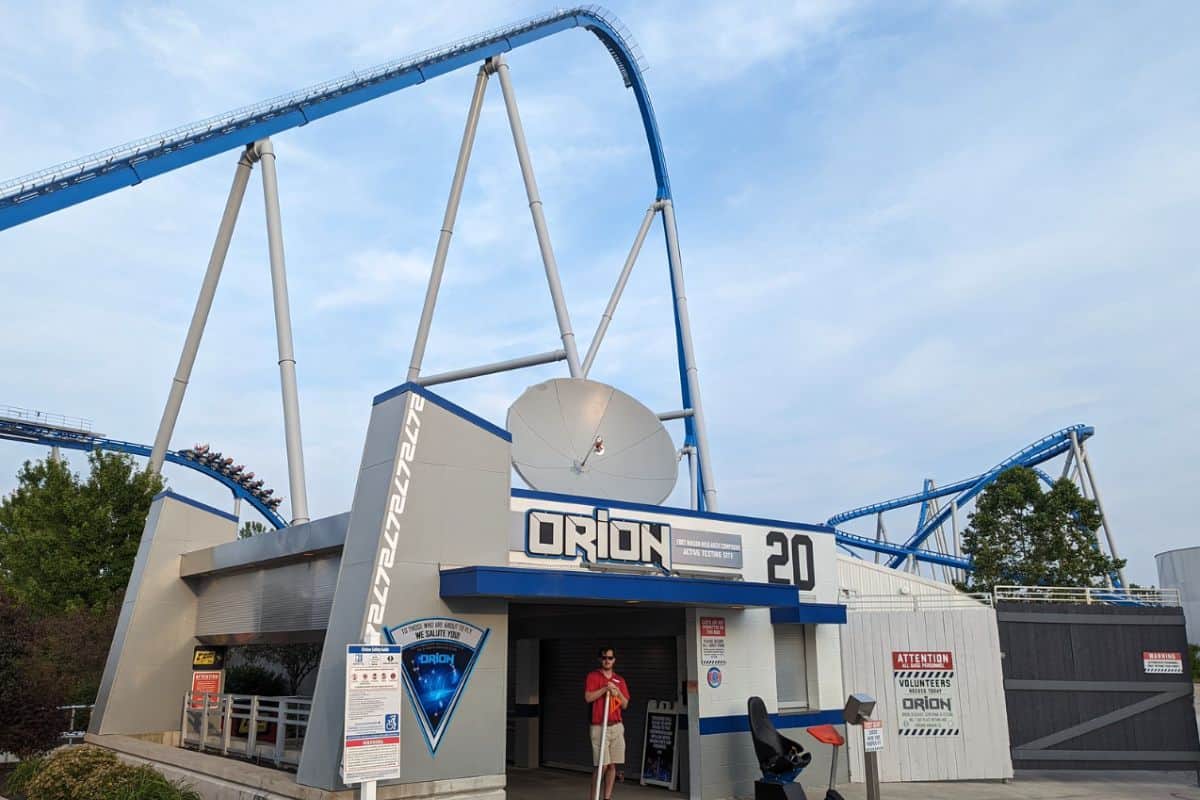
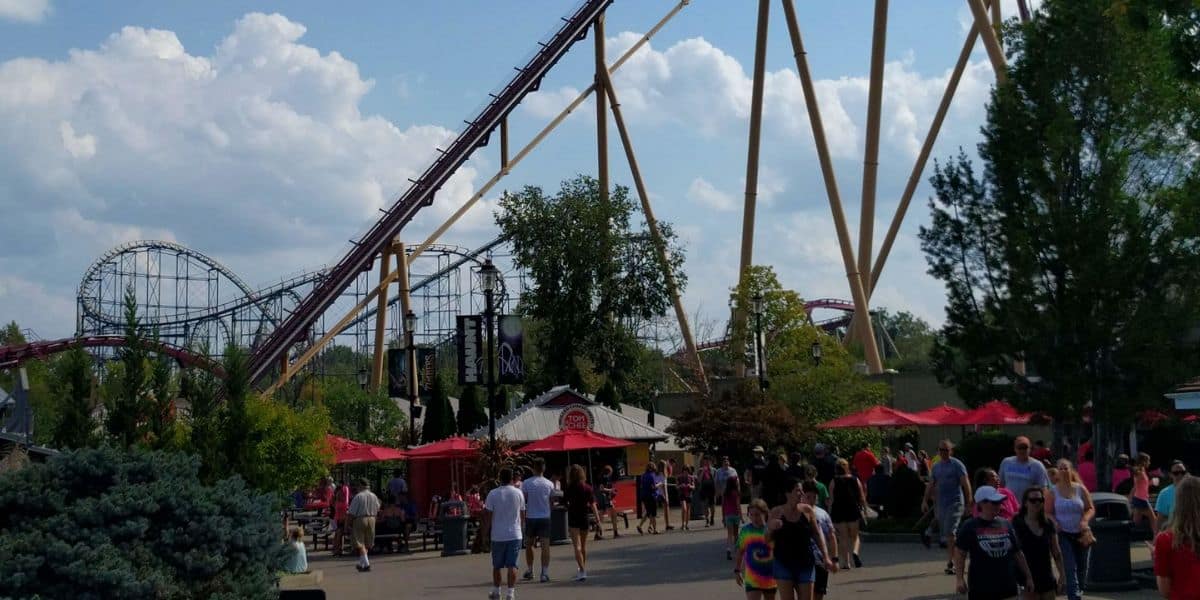
The national conversation around ride safety reached a flashpoint after a deadly incident at Six Flags Over Georgia. On October 12, 2026, 42-year-old Hassan Jihad Ibn Kariem fell to his death from the Goliath hypercoaster while riding with his son. Several other riders sustained injuries, prompting Six Flags to immediately close the ride and temporarily shutter nine similar coasters across six North American parks—including Orion and Diamondback at Ohio's Kings Island—for inspections of restraint systems and track components.
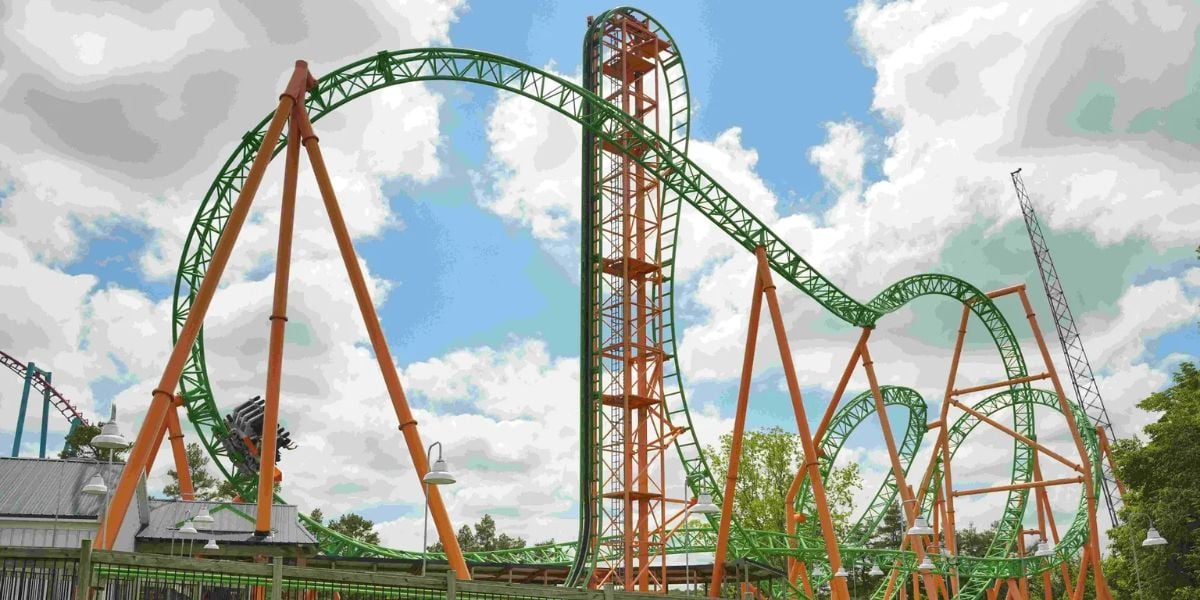
The tragedy occurred less than two weeks after Six Flags permanently retired X2 at California's Magic Mountain. That decision followed mounting lawsuits representing more than 100 riders who alleged the attraction caused traumatic brain injuries. Known for rotating seats that flip passengers during high-speed dives, X2 came under fierce scrutiny after two women required emergency brain surgery in July following rides on the attraction.
These crises follow another fatal incident last year, when a guest died after riding the dual-racing Stardust Racers coaster at Universal Epic Universe in Orlando. Together, these high-profile events have cast a shadow over the industry’s race for record-breaking thrills.
How Safe Are Roller Coasters Really? The Hard Data
Despite frightening headlines, industry researchers emphasize that severe ride incidents remain statistical anomalies.
According to Jakob Wahl, President and CEO of the International Association of Amusement Parks and Attractions (IAAPA), guest safety is essential to the industry's survival: “If people don’t feel safe … then we all hurt.”
Data compiled by the National Safety Council (NSC) for IAAPA highlights the vast scale of the industry:
- Enormous Ridership: More than 385 million guests safely take over 1.7 billion rides annually across North American fixed-site amusement parks.
- 1 in 15.5 Million Odds: The statistical likelihood of suffering a serious injury—defined as requiring hospitalization for over 24 hours or resulting in death—on a permanent U.S. amusement ride is roughly 1 in 15.5 million.
- Comparative Risk: Statistics from the CDC and MIT indicate you are far more likely to be struck by lightning, attacked by a shark, or killed in a commercial plane crash than to suffer a severe injury on a theme park ride. By comparison, the National Highway Traffic Safety Administration reported 7,770 motor vehicle fatalities during the first three months of 2026 alone.
- A Measurable Spike: Still, injury numbers have grown. The NSC’s 2024 report logged 118 serious injuries across North American facilities (about 8% of all 1,360 reportable injuries). For roller coasters, estimated injuries climbed 44%—from 458 in 2023 to 652 in 2024—increasing the injury rate from 0.88 to 1.27 per million rides.
The Hidden Culprits: Biology, G-Forces, and Human Error
When accidents happen, mechanical failure is rarely the primary cause. In fact, NSC data shows parks attribute roughly 60% of ride injuries to guest-related factors, such as rider behavior or pre-existing medical conditions. Technical failures account for 15%, while operational factors represent 9%.
Modern coasters subject riders to intense gravitational forces (G-forces) and sudden acceleration. Cardiologist Dr. Mark L. Meyer notes that the resulting adrenaline surge rapidly elevates heart rate and blood pressure, while abrupt transitions strain the neck and spine. High-G rides have occasionally been associated with arterial injuries, strokes, and intracranial bleeding. In 2006, a guest with an undiagnosed congenital heart condition suffered a fatal heart attack on the same Goliath coaster in Georgia.
David Bertozzi, president of the National Association of Amusement Ride Safety Officials (NAARSO), acknowledged that extreme builds have made coasters “a little more risky” over the years as engineers recalculate G-forces to satisfy the demand for bigger adrenaline rushes.
Engineering Shields vs. Regulatory Gaps
To protect riders, manufacturers follow aerospace-level standards. Jim Seay, president of Premier Rides and former chair of ASTM International's Committee F24, explained that attractions are designed using aircraft-grade simulation software, certified structural steel, and specialized fasteners. Rides undergo months of testing with weighted dummies, in which engineers intentionally induce system failures to ensure automated emergency stops work properly. Modern coasters also rely on hundreds of sensors; as former ASTM board member Franceen Gonzales noted, sudden ride halts are almost always computers safely stopping a train after detecting a slight operational variance.
However, government oversight remains fragmented. The United States has no federal agency regulating permanent theme park rides, leaving oversight to a patchwork of state laws. While states like Georgia and New York enforce mandatory inspections, others require minimal oversight. Bertozzi warned that inspectors in unregulated states often lack the authority to shut down hazardous rides. Furthermore, daily morning inspections cannot catch every hidden defect, as inspecting internal seat components or testing for internal metal fatigue requires specialized equipment and is scheduled at broad intervals.
When tragedies strike, the focus shifts toward whether the parks exercised proper care. While riders willingly accept the illusion of danger, they never agree to preventable negligence—making strict engineering and regulatory vigilance the only defense against catastrophe.