Disney's Multi-Billion Dollar NFL Agreement
Disney's recent agreement with the National Football League (NFL) marks a significant milestone in the entertainment industry. This multi-billion-dollar deal aims to acquire the league's media properties while granting the NFL a stake in ESPN. As Disney faces an era of rapid transformation toward streaming services, this partnership is crucial for maintaining its competitive edge.

The agreement includes ESPN taking over several valuable NFL assets, such as the NFL’s Red Zone and the NFL Network. Additionally, ESPN will incorporate online fantasy football services and add seven regular-season NFL games to its programming, including six international matchups. This partnership solidifies ESPN's role as the NFL's permanent media partner, enhancing its position ahead of the 2028 television contract negotiations.
Disney aims to attract younger audiences and football fans by integrating NFL content into its streaming services. This strategic move is designed to bolster Disney's cable division while remaining relevant in a competitive streaming landscape. As cord-cutting continues to reshape the industry, this deal serves as a significant push toward reinforcing Disney's entertainment offerings.
Reactions to Kimmel's Return
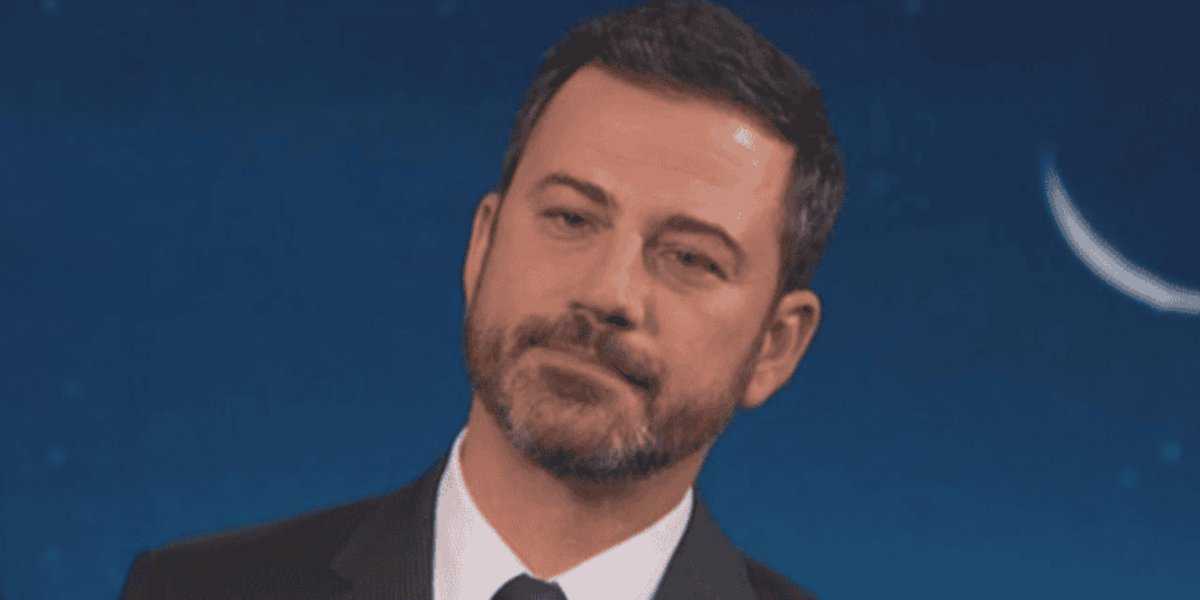
Following Donald Trump’s comments on the reinstatement of late-night host Jimmy Kimmel, the situation took a dramatic turn. Trump's remarks via Truth Social suggested a willingness to challenge Disney over Kimmel's presence on the air. Trump has a history of contentious interactions with Kimmel, who has been a vocal critic during Trump's presidency. The former president displayed a sense of strategic calculation in his comments, hinting at potential financial repercussions for Disney.

Trump’s response raises concerns for Disney regarding political fallout that could impact their NFL deal. Observers speculate that Trump aims to leverage his influence over media regulations to complicate Disney's negotiations. By positioning himself as a significant opposition force, he may attempt to hold up the approval process necessary for executing the billion-dollar agreement with the NFL.
The industry has been rife with speculation following Trump's remarks. Experts believe that the political landscape has a substantial role in shaping this media deal's future. Kimmel's return to late-night television may have opened Disney to political backlash, complicating professional relationships and alliances. This reaction has raised questions about the intersection of media and politics in contemporary negotiations.
Regulatory Challenges Ahead
A considerable challenge for Disney lies in securing approval from the Federal Communications Commission (FCC) and the Department of Justice (DOJ). Such regulatory bodies often examine media mergers for potential anti-competitive behavior. Trump's vocal opposition may add significant pressure to this approval process, increasing uncertainties surrounding the NFL deal's finalization.
Historically, political complications have often hindered media mergers. Companies frequently find themselves navigating regulatory concerns that arise due to political influence and public sentiment. This past context underscores Disney's complexity, as stakeholders weigh the implications of Trump's involvement in their NFL deal.
Trump's potential to impact Disney's progress highlights the intricate interplay between corporate transactions and the political environment. His statements serve as a reminder that negotiations do not exist in isolation; political factors can significantly influence the outcome. Observers speculate that Disney may need to adopt adaptive strategies in response to Trump's actions in the coming weeks.
Future of Disney's NFL Deal
Looking ahead, Disney appears to navigate a complex landscape of political challenges surrounding its NFL deal. Experts anticipate that the company will need to address concerns from both political and regulatory fronts proactively. Trump's comments necessitate consideration of public perception and stakeholder confidence to ensure a successful partnership with the NFL.

To maintain investor and audience faith, Disney may need to promote the benefits of its NFL agreement. Emphasizing the deal's advantages for sports fans and broader market competition could help mitigate criticisms stemming from Kimmel's return. The company's resilience in overcoming backlash will be vital for long-term credibility.
The future of Disney's NFL deal remains uncertain, hinging on its ability to adapt to political pressures and regulatory obstacles. The success of this multi-billion-dollar agreement could ultimately redefine Disney’s market positioning and influence in broadcasting sports content, emphasizing how essential strategic partnerships will be in this evolving media landscape. The outcome of this situation will likely shape the trajectories of both Disney and the NFL in the years to come.