Government Shutdown's Immediate Effects
The ongoing government shutdown is poised to have a dramatic impact on the tourism industry, with estimates suggesting a staggering loss of $1 billion per week. The shutdown has led to a significant shortage of air traffic controllers and TSA agents, resulting in reduced flight schedules at major American airports. The Federal Aviation Administration has implemented these reductions to manage the operational challenges, leaving many travelers stranded and creating widespread delays. As chaos ensues at airports, stranded travelers have become a common sight, painting a grim picture for an industry already grappling with vulnerabilities.

The immediate effects are evident as travelers attempting to reach popular U.S. destinations encounter significant disruptions. Long wait times and flight cancellations, particularly at key hubs like Orlando International Airport, are driving frustration among those intending to visit renowned attractions such as Disney World. As the holiday season approaches, the urgency to resolve these issues is growing increasingly critical for industry stakeholders.
Impact on Central Florida Attractions
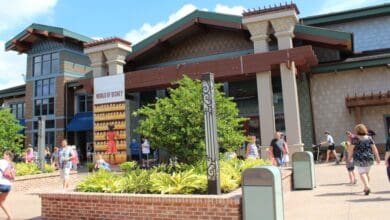
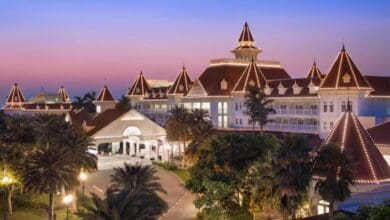
Central Florida, often regarded as a tourism nexus, is experiencing a pronounced decline in visitor numbers due to the extended government shutdown. Visit Orlando, the city’s leading tourism association, has reported noticeable declines in travel to major attractions, including Disney World and Universal Studios. The region's economy heavily relies on tourism, and as visitors reassess their travel plans, local businesses are increasingly concerned about their financial stability.

Popular destinations that typically draw large crowds during the holiday season are facing uncertainty as flight delays and cancellations deter potential tourists. Anecdotal evidence suggests that families are reconsidering their holiday travel plans to Florida due to dissatisfaction with current flight operations. This phenomenon raises red flags for businesses that depend on consistent tourist traffic, further exacerbating the crisis generated by the government shutdown.
Shifts in International Travel Trends
Compounding the challenges of the government shutdown are shifts in international travel trends. Recent reports indicate a concerning 5% decline in expected international arrivals, reversing earlier forecasts that predicted a 9% increase in tourism. This unexpected drop translates to a projected loss of $64 billion for the overall travel sector.

Factors influencing this reduction in travel interest include changing government policies and the current political climate that has led to perceptions of risk among international travelers. Tariffs imposed on key trading partners, such as Canada, China, Mexico, and the European Union, have particularly dissuaded potential visitors. Research indicates that air travel from Canada is down by 25%, while road trips from the northern neighbor have declined by 30%. The economic ramifications of these shifts are significant, as they signify billions lost to the U.S. travel sector.
Long-Term Repercussions for the Tourism Industry
The long-term consequences of the ongoing government shutdown for the tourism industry have yet to be fully realized, but they appear troubling. Experts caution that the erosion of consumer confidence may deepen if travel conditions do not improve promptly. Even a swift resolution to the shutdown may not guarantee an immediate return to normal operations, as airports could take weeks to restore full schedules following such extensive disruptions.

The potential fallout extends beyond immediate financial setbacks. If consumer confidence does not rebound, the tourism industry's future growth trajectory could be jeopardized. Demonstrating resilience and stability may become paramount, as travelers may opt for alternative destinations that promise fewer disruptions. The ongoing government shutdown, therefore, poses not only significant challenges in the immediate timeframe but also threatens to reshape the tourism industry landscape for the foreseeable future.