
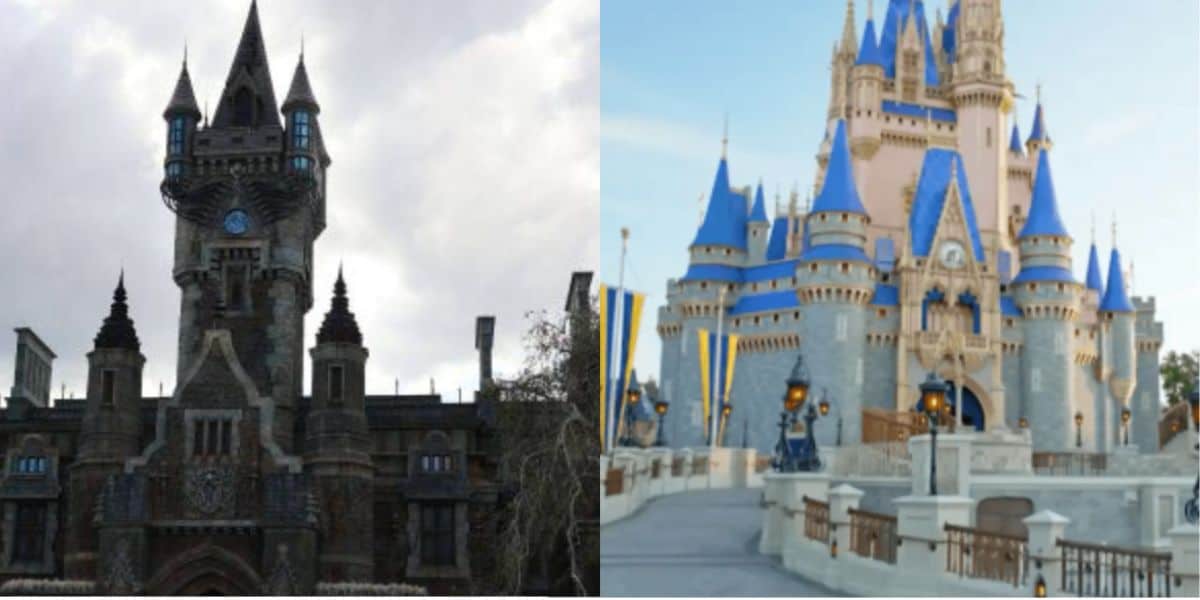
This summer felt different in Orlando. For decades, Magic Kingdom has stood unchallenged, the centerpiece of Walt Disney World and the most visited park on Earth.
But Epic Universe opened its gates, and suddenly the balance shifted. Fans wondered: was this the summer Universal finally closed the gap? The anticipation had been building for years, and now the showdown was here.

Universal’s Big Swing
Epic Universe entered the fight with lands designed to wow. Guests explored SUPER NINTENDO WORLD, raced through Mario Kart, soared with dragons, and braved the spookiness of Dark Universe. Universal promised immersive experiences, and the park primarily delivered on its promise of creativity and detail.
But there were setbacks. Frequent ride malfunctions caused lines to stretch longer than necessary. Dining operations sometimes buckled under pressure; even simple systems like payments proved clunky. Growing pains were expected, but they became a recurring frustration for visitors who wanted smoother service. Universal brought the spectacle but still lacked the polish.

Disney’s Steady Hand
Across town, Magic Kingdom played the role of seasoned veteran. Its lands—Fantasyland, Tomorrowland, Adventureland, Liberty Square—offered a lineup of classics that have worked for generations. From Haunted Mansion to Peter Pan’s Flight, the rides ran smoothly, the parades dazzled, and the nightly fireworks sealed the deal with Disney flair.
Disney’s polish showed in the details. Technical hiccups happened, but downtime rarely lasted more than a few minutes. Restaurants handled tens of thousands of guests efficiently, thanks to systems that had been refined over decades. Magic Kingdom remained a safer bet for families who value predictability and efficiency than its new rival.

Who Brought in the Cash?
Financially, Epic Universe gave Universal a welcome boost. Reports showed a 19% increase in revenue, proof that curiosity alone was enough to get people through the gates. Yet, compared to Disney’s machine, it was a small win. Magic Kingdom remains a revenue powerhouse, supported by sky-high ticket prices and guests who are more than willing to spend on food, souvenirs, and premium extras.
Epic Universe is still in the expensive early stage—huge construction costs, new staffing, and the challenge of keeping those crowds coming back. Disney, by contrast, is in constant profit mode and has the advantage of scale.

The Numbers Game
Daily attendance sealed the comparison. Magic Kingdom averaged 45,000–50,000 people a day this summer, a figure it has maintained for years. Even with the hype of opening, Epic Universe drew only about 15,000–20,000 visitors daily.
Part of that is capacity limits—Epic Universe isn’t built to hold as many guests. But it wasn’t ready to match Disney’s demand even if it could.

The Final Word
Epic Universe had a strong debut, and Universal has every reason to call it a success. But in the battle of summer 2025, Magic Kingdom’s experience, crowd power, and smoother operations made it the clear leader.
Epic Universe will improve, and the competition will benefit everyone who visits Orlando. For now, though, Magic Kingdom wears the crown—and it doesn’t look like it’s giving it up anytime soon. If anything, Epic Universe’s arrival will keep Disney sharp and push both parks to deliver even better experiences in the years ahead.