

Disney has been quietly laying the groundwork for Zootopia’s future for months. Through interviews and offhand remarks, the message became increasingly clear: the story wasn’t finished. Fans assumed a third film would come eventually—but few expected Disney to move this quickly.
After the enormous success of Zootopia 2 (2025), Disney confirmed that Zootopia 3 is officially in the conversation. While that sounds like a win, the reaction hasn’t been universally positive.
Disney’s Comfort With Continuing Stories
Sequels have become Disney’s creative comfort zone. Over the past decade, the studio has leaned heavily into expanding familiar franchises rather than launching new ones. The approach minimizes risk and maximizes audience recognition.
But it also sparks frustration. Some fans feel Disney rarely allows stories to stand on their own anymore. Once a film proves profitable, it’s almost guaranteed to keep going—and Zootopia now sits firmly in that category.
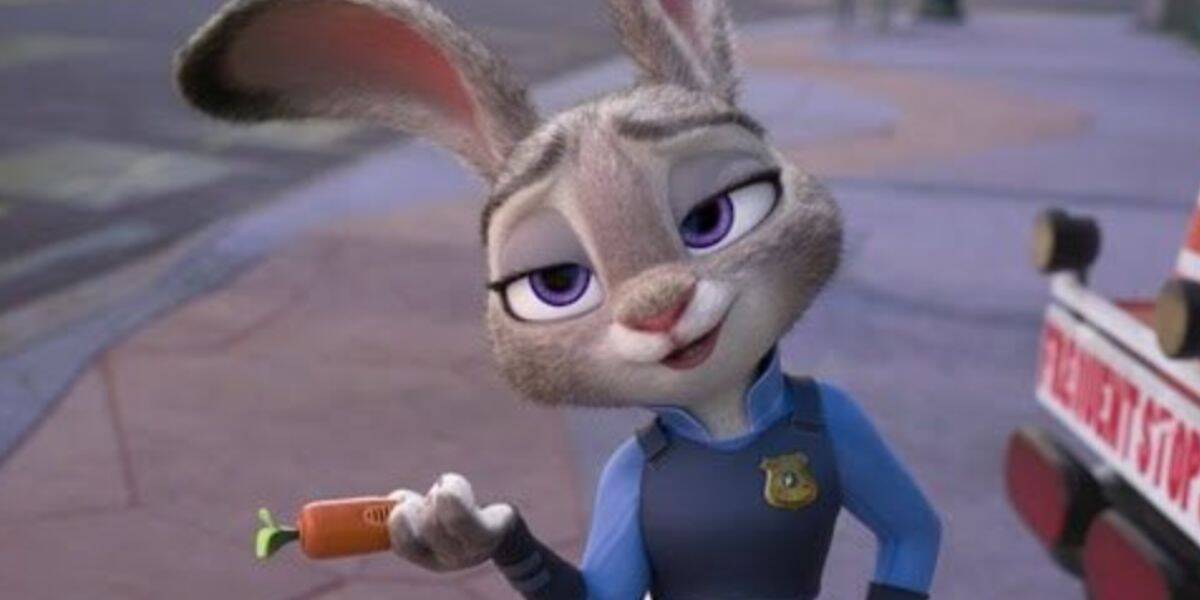
The Original Film’s Unexpected Impact
Zootopia (2016) didn’t feel like franchise bait when it first arrived. What appeared to be a playful animated mystery turned into a thoughtful exploration of fear, prejudice, and power structures. Judy Hopps and Nick Wilde weren’t just chasing clues—they were navigating a society built on assumptions.
That emotional weight helped the film endure long after its release, making the extended wait for a sequel feel intentional rather than delayed.
How Zootopia 2 Expanded the World
When Zootopia 2 (2025) finally arrived, it avoided simply repeating the original’s message. Instead, it expanded the world outward. The sequel explored how the city functions when its systems are stressed and its characters forced to adapt.
The result felt richer and more immersive. The city itself became a bigger part of the story, reinforcing why Zootopia works as a setting worth revisiting.

A Financial Milestone Changes Everything
The sequel’s box office run changed the conversation overnight. By early January 2026, Zootopia 2 had earned more than $1.5 billion worldwide, breaking records for Walt Disney Animation Studios. It surpassed $1 billion in under three weeks and generated over $1.1 billion internationally, with China contributing more than $500 million.
Those numbers left Disney little choice. A franchise that performs at that level doesn’t get shelved.
Disney Moves Quickly on Zootopia 3
Following that success, Disney confirmed that Zootopia 3 is already being discussed. Early creative development has begun, and the studio has signaled that the next installment won’t take nearly as long to arrive as the previous sequel.
That announcement caught some fans off guard. After a nine-year gap between films, many expected a similarly patient approach going forward.

Why the Shorter Gap Feels Risky
The concern isn’t about whether another sequel exists—it’s about timing. The long development process helped the first two films feel carefully constructed. Speeding things up raises fears of rushed storytelling and franchise fatigue.
Disney has faced criticism before for pushing sequels too quickly. Fans worry Zootopia 3 could feel less intentional if it doesn’t receive the same level of attention.

What It Means Beyond the Movies
Zootopia’s influence now extends into Disney’s parks, including experiences like Disney World’s Zootopia: Better Zoogether! 4D show. If the franchise accelerates too fast—or reaches a conclusion sooner than expected—those offerings could lose their impact more quickly.
The Road Ahead for Zootopia
Disney now stands at a crossroads. The studio can use Zootopia 3 to further enrich a meaningful world—or risk turning a thoughtful franchise into routine output.
Zootopia isn’t fading anytime soon. The question is whether Disney can preserve what made it resonate in the first place.
So, did Zootopia 2 (2025) earn a faster sequel—or should Disney slow down before taking the next step?