


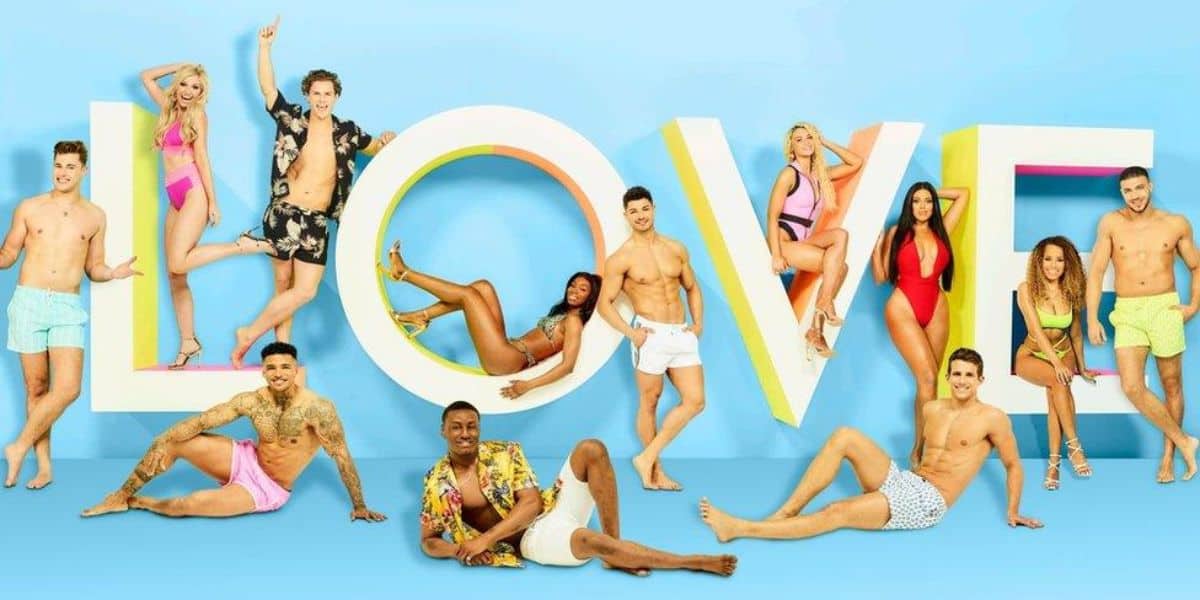
The streaming wars have taken some strange turns, but few as unexpected as this: Love Island—the glossy British dating series best known for poolside flirtations and late-night recouplings—is officially joining Disney+.
As unlikely as that sounds, it’s part of a broader shift that’s been years in the making. Once touted as the home of family-friendly franchises and premium genre content, Disney’s streaming arm is retooling its global identity in a rapidly fragmenting market.
To that end, Disney has struck a content-sharing agreement with ITV, one of the U.K.’s largest commercial broadcasters. It’s a partnership that reflects just how much the rules of streaming are changing.
Two Platforms, One Streaming Deal
Under the new agreement, Disney+ U.K. will begin offering a curated selection of ITV titles at no extra cost to subscribers. That includes Love Island: All Stars, Mr Bates vs The Post Office, and A Spy Among Friends. All three shows are high-profile British hits with strong domestic followings.
It’s worth noting that the Love Island arriving on Disney+ isn’t the U.S. version, but the U.K. edition—widely regarded as the definitive edition of the franchise. Known for its audience voting mechanics, villa drama, and rotating cast of hopeful singles, the show is a ratings juggernaut in the U.K., regularly trending on social media during its runs.

In return, ITVX will gain access to several of Disney’s buzziest series. Viewers in the U.K. will be able to stream the first seasons of Andor, Only Murders in the Building, The Bear, and The Kardashians (all of which are available on Disney+ in the UK due to the absence of Hulu in the country) for free on ITVX, as part of a promotional “Taste of Disney+” rollout.
Each company will retain control of ad sales for the titles they’re licensing, giving both the chance to monetize the partnership independently. According to ITV’s managing director of media and entertainment, Kevin Lygo, the new arrangement represents a “mutually beneficial relationship.”
Behind the Pivot
Disney’s willingness to share real estate with one of Britain’s most irreverent reality shows didn’t happen in a vacuum. After launching in 2019 to record-breaking sign-ups, Disney+ soon began to stumble, when its subscriber count started to dip.
In response, the company launched a series of changes. An ad-supported tier was introduced (now used by around 30% of global users), prices were raised for premium plans, and older content was removed to cut costs. It also began cracking down on password sharing and expanded its use of live sports and Hulu originals through tighter platform integration.

This latest deal with ITV fits into that larger recovery strategy. Rather than building every piece of content in-house, Disney is now open to partnerships that broaden its reach—even if it means blending genres or breaking long-held brand assumptions.
It’s also a sign of the times for streamers more broadly. As international growth slows and domestic markets reach saturation, content-sharing is becoming a more attractive route to audience expansion. Disney and ITV’s arrangement is the first of its kind between a major U.S. streamer and a U.K. broadcaster—but likely not the last.
What It Means for Viewers
For British Disney+ subscribers, the result will be a slightly stranger homepage—and a far wider range of programming. Whether viewers stick around for the full season of Love Island or not, its presence alone signals that Disney is more flexible, and more aggressive, than ever before in how it programs its platform.
As content ecosystems evolve and corporate strategies shift, viewers may need to get used to seeing Stormtroopers sharing digital space with reality TV showdowns. For better or worse, that’s where the streaming future is headed.
How do you feel about Love Island joining Disney+?