Since its launch in November 2019, Disney+ has become a major player in the streaming space. Disney fans have used the platform to revisit their favorite animated classics, discover new original series, and explore massive franchises like Star Wars, Marvel, and Pixar in entirely new ways.
With every announcement of a new series or movie, subscribers were promised more access to the magic they love. The platform’s earliest titles—The Mandalorian, High School Musical: The Musical: The Series, and The Imagineering Story—hinted at the kind of prestige and imagination Disney was known for.
Related: Disney+ Launches Live Channel for Disney Adults—Relive the Best 90s & 2000s Classics!
Now, more than five years later, that shiny promise is starting to show some wear and tear. Despite launching dozens of shows and films, some of Disney’s most powerful creative brands aren’t seeing the success fans (and executives) hoped for. The company’s strategy to keep up with the demands of streaming may have come at a much bigger cost than anyone expected.
According to TheWrap, a growing body of evidence points to Disney+ as a central reason behind the recent decline in performance across the company’s top-tier franchises.
Nearly every one of Disney’s core brands – in addition to Marvel Studios, Pixar and Lucasfilm – have been diminished by the company’s direct-to-consumer streaming platform and that platform’s insatiable thirst for fresh content.
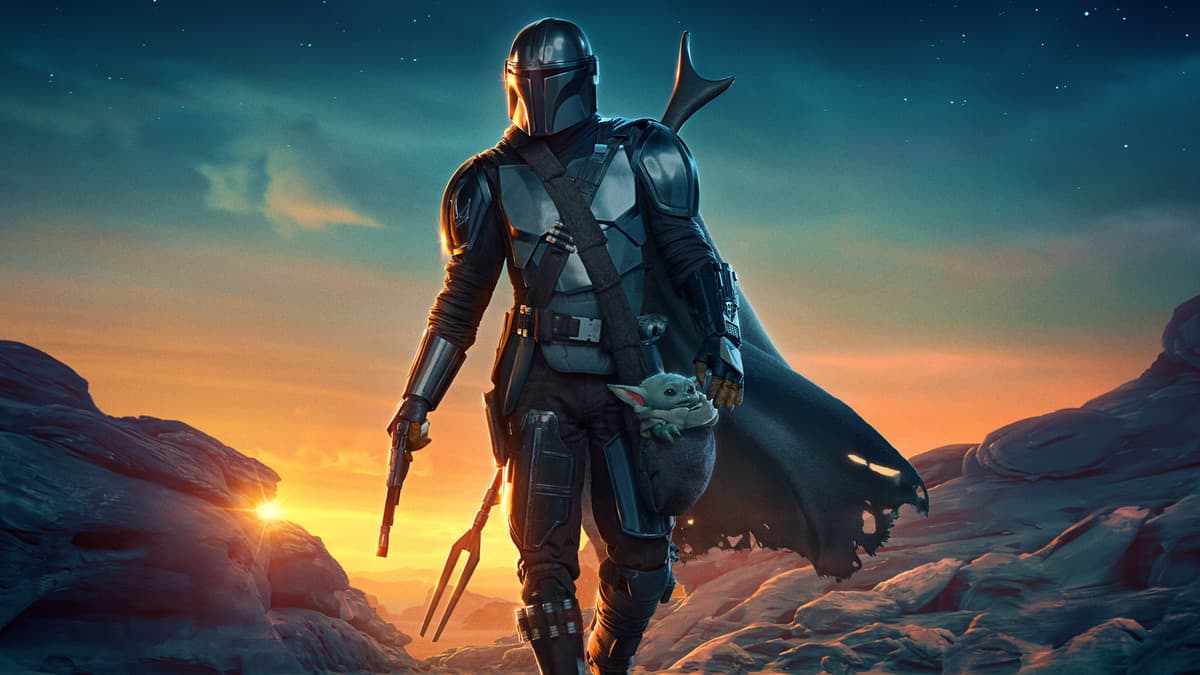
Over the last five years, Marvel and Star Wars Disney+ shows — with some exceptions — have seen declining streaming minutes as each subsequent series debuts, with Star Wars peaking with the second season of ‘The Mandalorian’ in 2021 through ‘Skeleton Crew’ in 2024, which failed to even make the weekly top 10 for Nielsen.

Related: Disney Settles Lawsuit Over Alleged Copyright Theft in Controversial New Series
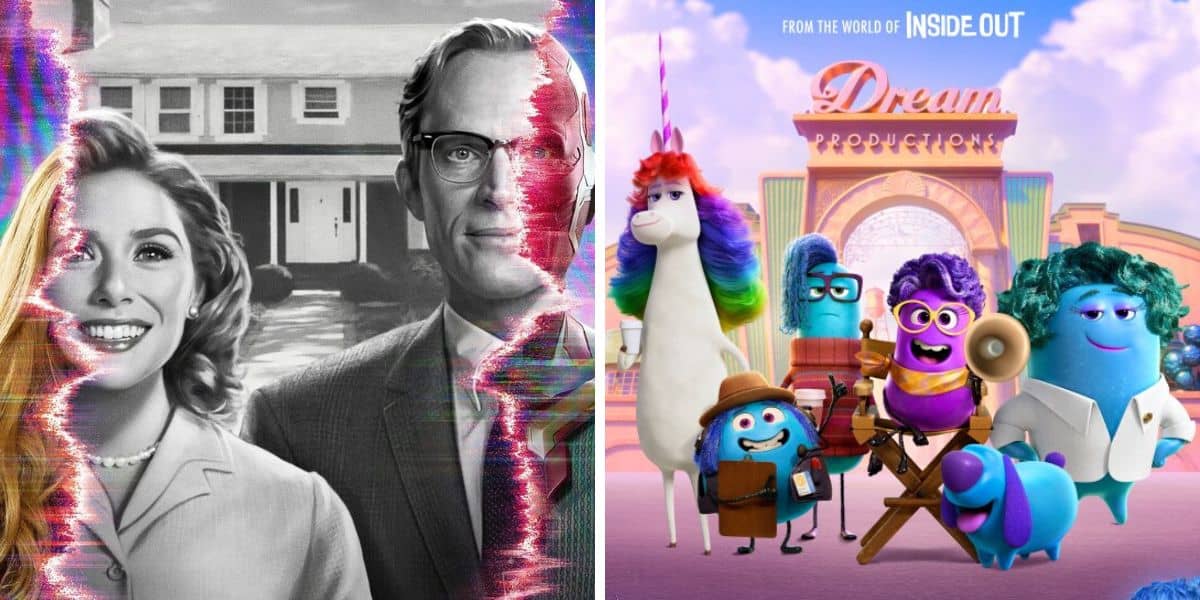
This isn’t just about what’s happening on streaming. Disney’s box office numbers are showing signs of wear, too. Pixar’s Elio, released in June 2025, brought in only $138.6 million globally. That total marks the lowest-grossing film in Pixar history, coming in below Onward, Luca, and Turning Red—all of which faced significant challenges during the pandemic. Elio was expected to mark a return to theatrical success. Instead, it reinforced concerns about brand fatigue and creative direction.
Marvel hasn’t escaped criticism either. Big-budget projects like Captain America: Brave New World (2025) and Thunderbolts (2025) posted underwhelming grosses at $415 million and $382 million, respectively. Those numbers would have looked stronger had the productions not cost nearly $200 million each to make. And when The Fantastic Four opened to $118 million only to drop 66% in its second weekend, fans and industry insiders alike began asking the same question: has Disney pushed these brands too far?

Related: Say Goodbye to Your Faves: Kevin Feige Confirms MCU Reset as ‘The Fantastic Four’ Hits Theaters
Kevin Feige, President of Marvel Studios, addressed the concern directly in July, admitting that the rush to expand the Marvel Cinematic Universe across Disney+ may have hurt more than it helped.
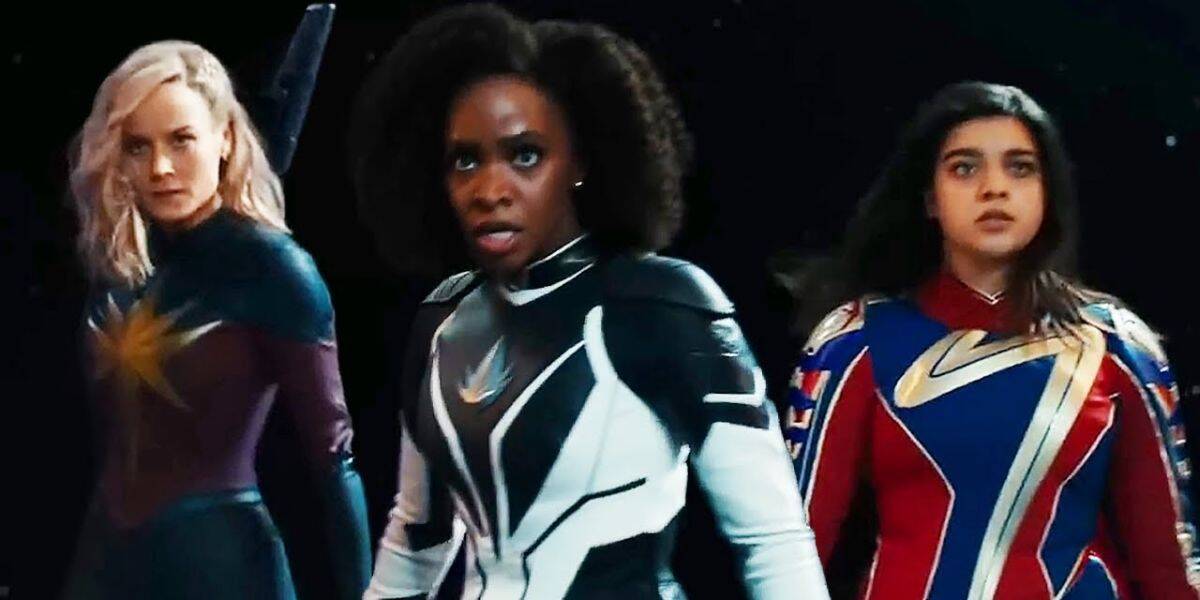
Feige specifically pointed to “The Marvels,” the sequel to 2019’s $1 billion-grossing “Captain Marvel,” which brought in $206 million globally, as the movie that was “hit hardest” by the new emphasis on Disney+ and the inclusion of characters from Marvel shows. “People are like, ‘OK, I recognize her from a billion-dollar movie. But who are those other two? I guess they were in some TV show. I’ll skip it,’” Feige said of the story that paired Brie Larson with Marvel TV stars Teyonah Parris and Iman Vellani.
Later, Feige got more blunt: “The expansion is what devalued [the Marvel brand]. It was just too much. It was a big company push. And it doesn’t take too much to push us to go. There was a mandate that we were put in the middle of.”
Related: Major Stars Take Over Disneyland for Filming of Original New Disney+ Series!
Pixar has also faced criticism from within. Elio was slammed by some employees as “catastrophic,” not just for its performance, but also for what some described as creative compromises, particularly the erasure of LGBTQ themes from the final cut. Combined with the lackluster reception, those internal frustrations point to deeper issues affecting the studio’s direction.
This pattern has not gone unnoticed by Disney leadership. When Bob Iger returned as CEO in November 2022, he acknowledged that something had gone wrong. During a town hall with company employees, Iger admitted that the company had prioritized quantity over quality, producing more content than audiences could meaningfully engage with. In response, several Disney+ shows were canceled or scaled back, and tighter budget controls were put in place.

Iger has made it clear that Marvel and Star Wars content will continue, but with a more measured approach. Instead of launching multiple new projects each year, the studio will now focus on fewer titles with more strategic storytelling. Pixar is expected to follow a similar path, returning to the high standards that made it a household name in the first place.
Even as Disney works to rebalance its creative slate, fans are left wondering what the future holds. Franchises that once felt like can’t-miss events now feel more like endless homework. The content overload may have finally caught up with the company, leaving audiences tired and executives scrambling for solutions.
What do you think—has Disney+ helped or hurt your favorite franchises? Should Disney go back to its roots or continue expanding into new territory? Which show or movie disappointed you the most? And what would you like to see next from Marvel, Pixar, or Star Wars? Share your thoughts in the comments!