

NFL and Disney Deal Overview
The National Football League (NFL) has recently approved a significant deal with Disney and its subsidiary ESPN, marking a transformative moment in sports broadcasting. This multi-billion-dollar agreement enables ESPN to manage various key NFL properties, including the Red Zone, the NFL Network, and comprehensive online fantasy football services. Furthermore, it allows ESPN to acquire rights to seven additional regular-season games, signaling a deepening partnership that shifts media consumption dynamics.

This deal aligns perfectly with ESPN’s ongoing strategy to transition towards streaming, which is crucial for keeping the network relevant amid the decline of traditional cable. The collaboration effectively positions ESPN as a premium destination for football fans, giving it leverage over its competitors in an era that increasingly favors streaming over linear television. This partnership represents a financial investment and a tactical maneuver to solidify ESPN’s place in the increasingly competitive sports media landscape.
Potential Regulatory Challenges
Despite the promising outlook for the NFL and Disney deal, the agreement faces a considerable obstacle: approval from the Trump Administration. Under U.S. regulations, such multi-billion-dollar deals require scrutiny from the Federal Communications Commission (FCC) and possibly the Department of Justice (DOJ). Without this clearance, the agreement cannot be finalized, leaving stakeholders in a state of uncertainty.

The current political dynamics could pose challenges for the deal's progress. With FCC Chairman Brendan Carr previously expressing skepticism towards ventures associated with The Walt Disney Company, there's a heightened sense of concern about the future of this partnership. The political climate surrounding the Trump Administration adds another layer of complexity, particularly given the prevailing sentiments towards major media corporations. This backdrop may impact how regulatory bodies evaluate the NFL and Disney deal.
NFL's Dominance in Media
The NFL is a titan in viewership, dominating media rankings in 2024. According to industry statistics, the NFL held 72 of the top 100 most-watched programs on streaming and cable platforms during that year. The significance of this cannot be overstated, as the league's popularity catalyzes subscription increases across media platforms. It underlines the need for ESPN to secure the NFL deal, ensuring it remains a primary player in sports broadcasting.
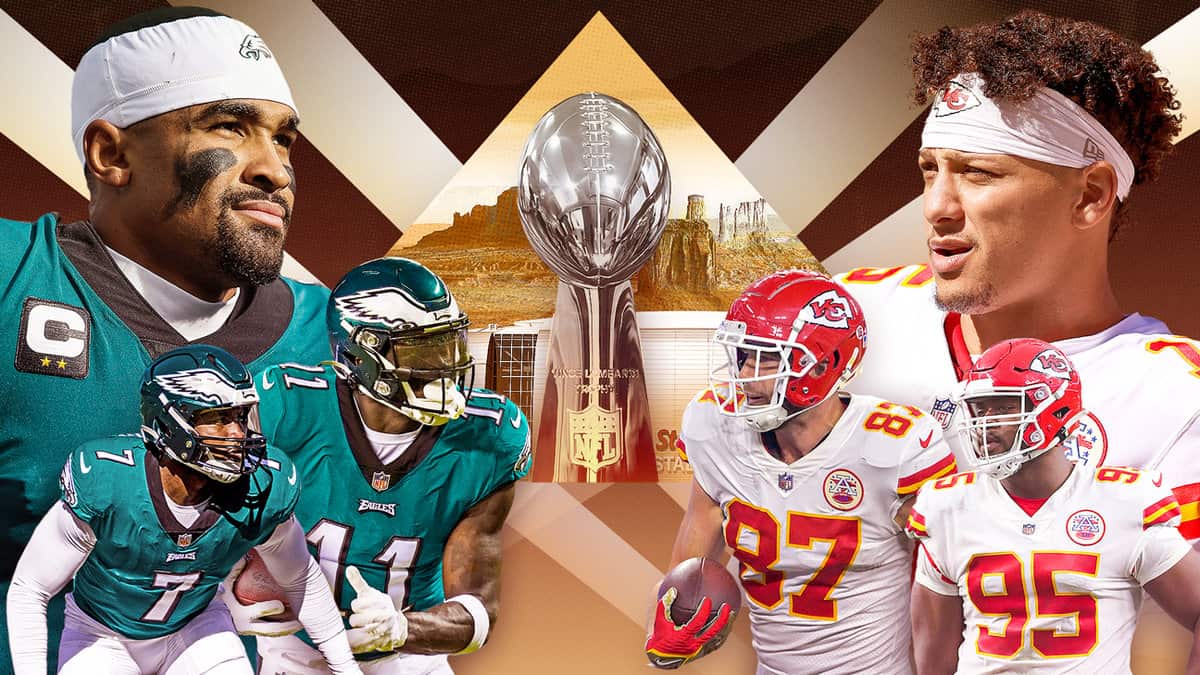
Historically, the NFL has forged lucrative media partnerships that have redefined how sports content is consumed. The transition to streaming represents a critical evolution, and winning the rights to NFL content is essential for any network striving for relevance. As the Trump Administration evaluates the regulatory implications of this deal, the importance of the NFL and its media partnerships becomes even more pronounced in shaping ESPN's strategy.
Next Steps for Approval
Given the regulatory hurdles, Disney and the NFL must undertake several legal actions to ensure compliance and seek approval for the deal. This includes proactively engaging with the FCC to address any concerns. The timeline for receiving necessary clearances remains uncertain, necessitating flexibility and strategic thinking from all parties involved.
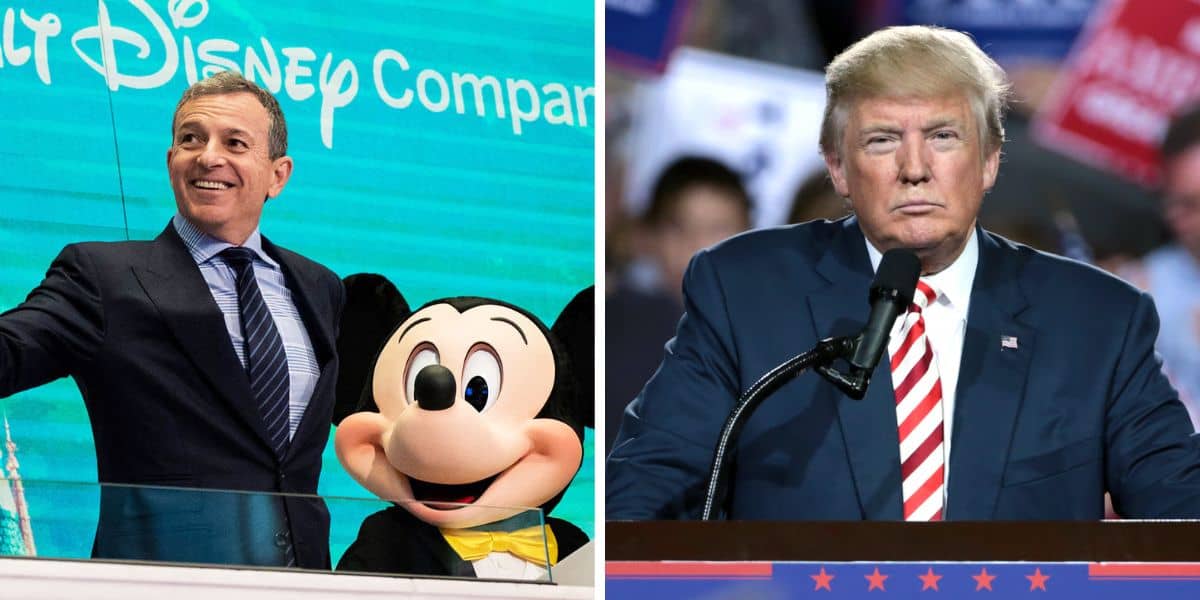
Industry stakeholders closely monitor the situation and are eager to see how this monumental agreement evolves. The ramifications of the NFL and Disney deal extend beyond the immediate financial aspects; they may fundamentally forge the future of sports broadcasting. As both organizations navigate this intricate regulatory landscape, attention remains fixed on the Trump Administration’s position and its potential influence on the deal’s outcome.
In summary, while the NFL and Disney deal presents a transformative opportunity for the media landscape, its success hinges on carefully navigating the regulatory environment shaped significantly by the Trump Administration.