
For decades, the regional theme park was the centerpiece of the American “middle-class summer.” It was a place defined by the scent of funnel cakes, the click-clack of wooden coasters, and a price tag that didn't require a loan officer’s approval. But as we move into the 2026 season, the midway is looking a lot more like a ghost town.
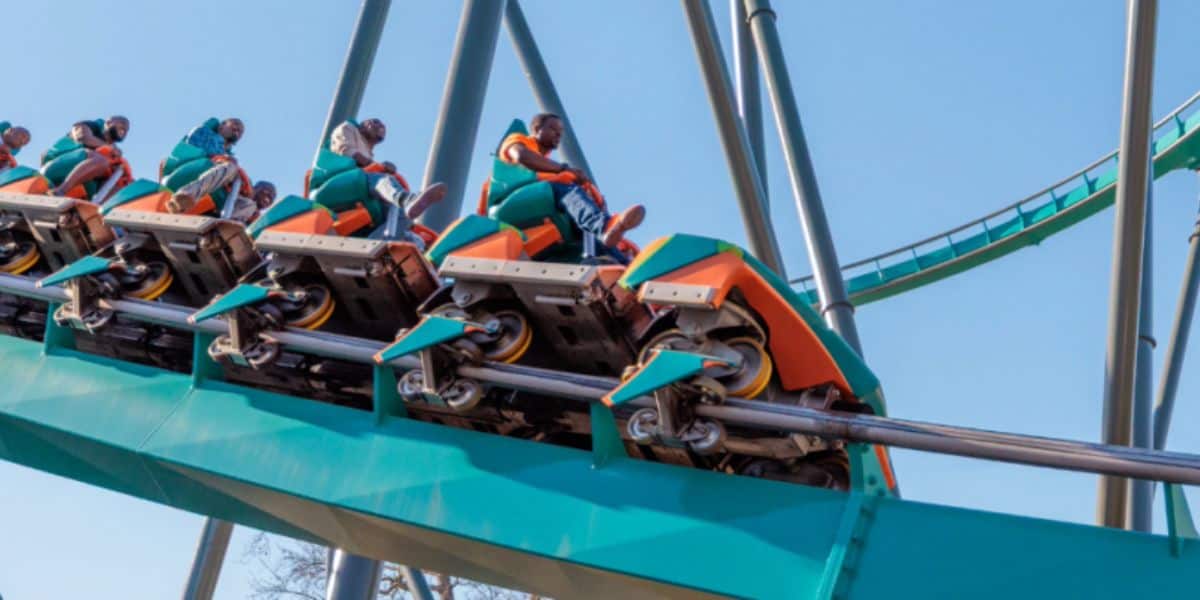
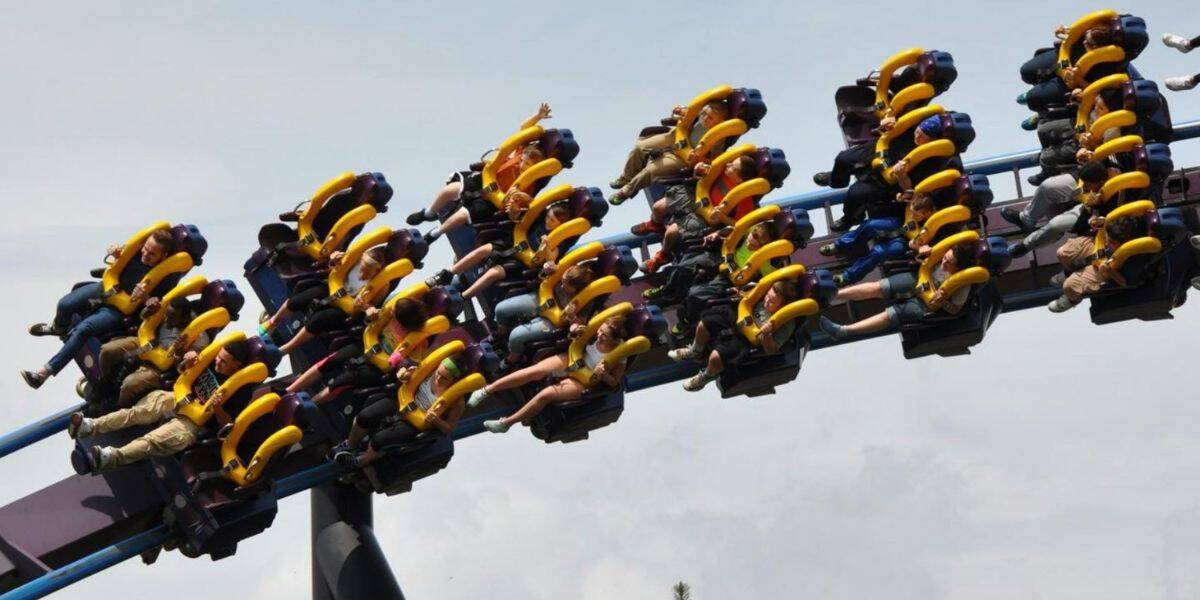
The industry is currently facing a “perfect storm” of economic pressures that threaten to shut the gates on dozens of local landmarks. Between a massive $10 billion combined debt load held by the industry’s biggest players and a “hidden crisis” of soaring labor costs, the regional park is currently on a “death drop” with no brakes in sight.
Recent reports from Axios and TravelBinger have pulled back the curtain on a struggle that is forcing even the most beloved parks, like Dollywood and Six Flags, into a brutal survival mode.
The Six Flags “Noose”: Refinancing the Dream
The biggest headline of 2026 is the staggering $5.2 billion debt currently strangling the newly merged Six Flags Entertainment Corp. While the merger with Cedar Fair was pitched as a way to create a “national powerhouse” to rival Disney, the reality has been a financial nightmare.

To keep operations running, the company has been forced to take out massive loans at interest rates as high as 8.625%. In an industry where profit margins are razor-thin, paying “credit card interest” on billions of dollars leaves no money for new coasters, park maintenance, or even basic landscaping.
The “Portfolio Optimization” Purge
What does this mean for you? It means “Portfolio Optimization.” According to Axios, the company is actively looking to sell off “non-core” assets. If your local park isn't a top-tier earner like Cedar Point or Magic Mountain, it is now being viewed as a real estate asset.
- Six Flags America and California’s Great America are already on the chopping block.
- Sell-Off: This week, Six Flags announced it was selling seven regional theme parks for $331 million.
- Mystery entities like Enchanted Parks Holdings, LLC, are hovering in the wings, ready to buy these parks for the value of the land alone, potentially turning your favorite coaster into a distribution warehouse.
The Dollywood Reckoning: Labor and the $5 Billion Crisis
Even the “Golden Child” of regional parks isn't safe. Dollywood, the crown jewel of Pigeon Forge, is currently navigating its own $5 billion reckoning. While the park remains popular, its parent company, Herschend Family Entertainment, is being squeezed by a “hidden crisis” in labor and overhead costs.

The primary culprit? The denial of thousands of H-2B visas fueled a severe labor shortage. Regional parks rely on these seasonal work permits to staff everything from ride operations to deep-fryers. Without this labor, parks are forced to:
- Cut Hours: Opening later and closing earlier.
- Raise Wages: Competing with local retailers for a shrinking talent pool.
- Close Attractions: You may find your favorite “secondary” rides or food stands closed indefinitely because there's no one to run them.
The “Disney Paradox”: Why Attendance is Cratering
Perhaps the most confusing part of the 2026 crisis is the “Attendance Gap.” While Disney and Universal continue to see high spending, regional parks are seeing a massive pullback. This is the Disney Paradox: In a tight economy, the middle class is skipping the $150 “local day trip” to save up for the $5,000 “prestige vacation.”

| The “Hidden Costs” of 2026 | Then (2020) | Now (2026) |
| Daily Parking | $15 – $20 | $40 – $55 |
| Standard Burger Meal | $12 | $28 |
| Skip-the-Line Pass | $40 | $120+ |
For the average family, a trip to a regional park has become “expensive for what it is.” When a day at a local park costs as much as a monthly car payment, families are simply opting to stay at the community pool instead.
Is Your Favorite Park on the Chopping Block?
The outlook for 2027 and beyond suggests a massive contraction in the industry. Analysts predict that as many as 10% of mid-tier regional parks could close or be liquidated in the next 24 months. The “volume model”—getting 5 million people through the gate for $60—is broken. The new model is “premiumization,” where parks cater to fewer people at much higher prices.
If your local park hasn't debuted a new ride in three years and the parking lot is starting to look a little cracked, the writing may be on the wall. The “Great American Theme Park” is being forced to grow up or go dark.