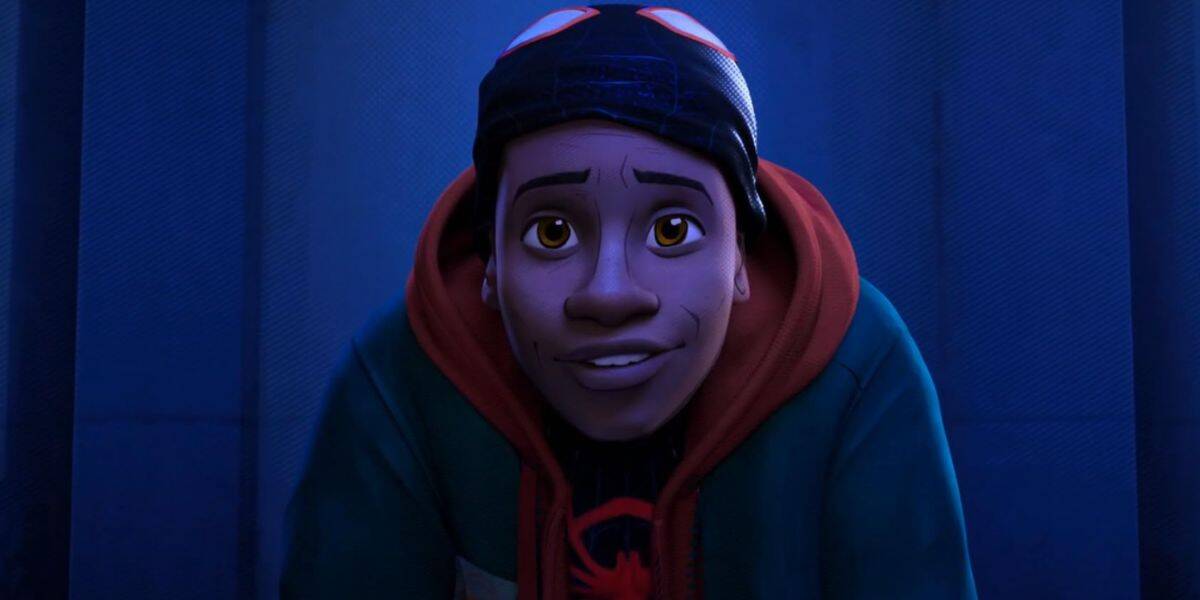
Fans of Spider-Man: Into the Spider-Verse (2018) just got a fresh update, and it’s not landing in a simple way. Sony has started teasing what’s ahead, but the reaction has been mixed. There’s curiosity, sure—but also a bit of uncertainty about where things are heading.
That kind of response doesn’t happen by accident. It usually means something important is changing.
How the Franchise Built Its Reputation
To understand why this matters, you have to look back at what came before. Spider-Man: Into the Spider-Verse (2018) introduced audiences to Miles Morales in a way that felt completely original. Its animation style alone set it apart, combining comic book visuals with a cinematic feel.
Then Spider-Man: Across the Spider-Verse (2023) pushed things even further. It expanded the Multiverse, added new characters, and told a story that balanced action with real emotional weight. These films didn’t just perform well—they reshaped expectations.
That’s what makes this next film so important.
What’s Coming in the Final Chapter
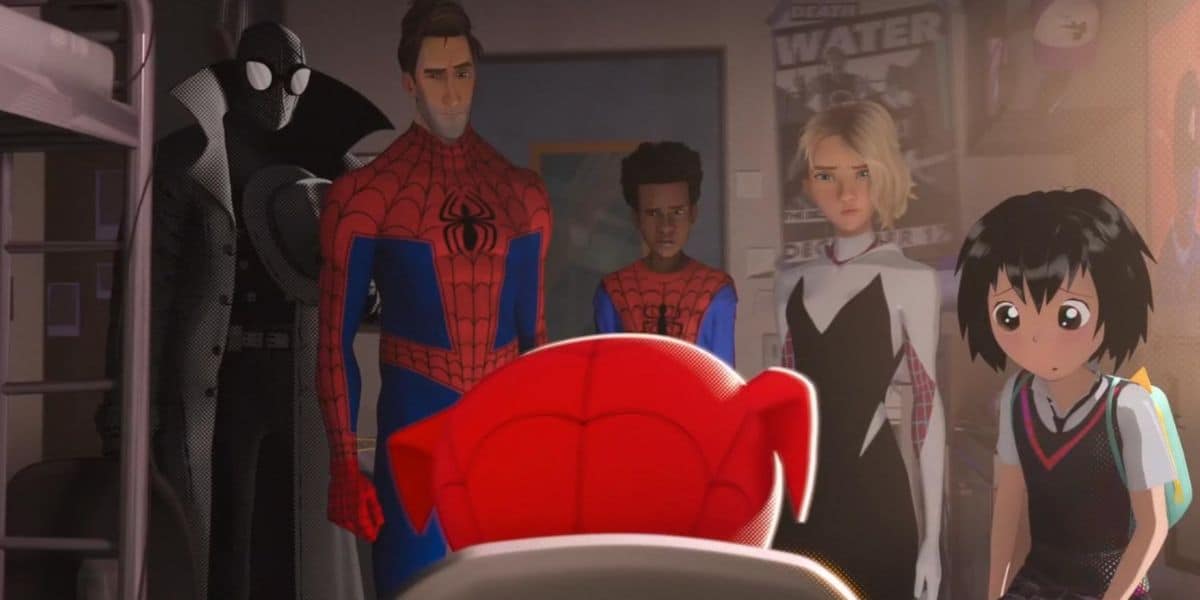
The upcoming Spider-Man: Beyond the Spider-Verse (2027) continues Miles’ journey, but the story is expanding in new directions. Gwen Stacy (Hailee Steinfeld), Peter B. Parker (Jake Johnson), and Spider-Noir (Nicolas Cage) are all expected to return.
At the same time, the film takes a deeper look at Earth-42, a reality that operates very differently from the one fans know. This setting introduces new challenges and forces Miles into situations he hasn’t faced before.
A Conflict That Changes Everything
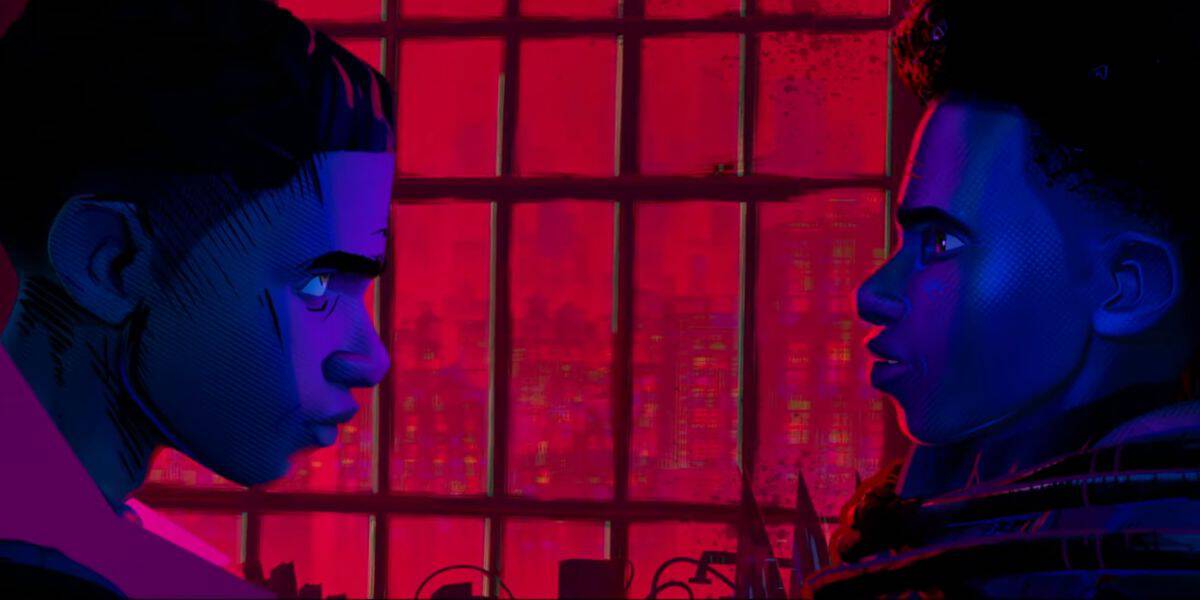
In this version of the story, Miles finds himself in a world without Spider-Man. Instead, he meets an alternate version of himself who has embraced a darker identity as the Prowler (Jharrel Jerome).
This confrontation becomes a key part of the film’s tension. While dealing with that, Miles is also trying to save his father, whose fate appears tied to larger Multiverse rules. Miguel O’Hara stands firmly against him, believing those events can’t be altered.
Even with support from Gwen and other allies, Miles faces an uphill battle. The return of threats like the Spot and Kingpin only adds to the pressure, making the final chapter feel more intense than anything before it.
Fans Aren’t Fully Sold Yet
That darker take on Miles is already creating discussion. Some fans see it as a natural extension of the Multiverse concept, where different versions of characters can take different paths.
Others aren’t so sure. Miles has always been a symbol of hope and growth, and shifting that image—even temporarily—feels risky. It’s an idea that could pay off, but it’s also one that fans are watching closely.
For now, the reaction sits somewhere in the middle. There’s interest, but also hesitation.

A Clear Release Date Brings Relief
While the story direction has sparked debate, one update has been widely welcomed. Sony confirmed that Spider-Man: Beyond the Spider-Verse (2027) will arrive in theaters on June 18, 2027.
That date places the film right in the heart of the summer season, giving it a strong opportunity to perform well. More importantly, it gives fans something concrete after a long period of uncertainty.
Sometimes, just knowing when a film is coming is enough to rebuild momentum.
Everything Comes Down to This Final Chapter
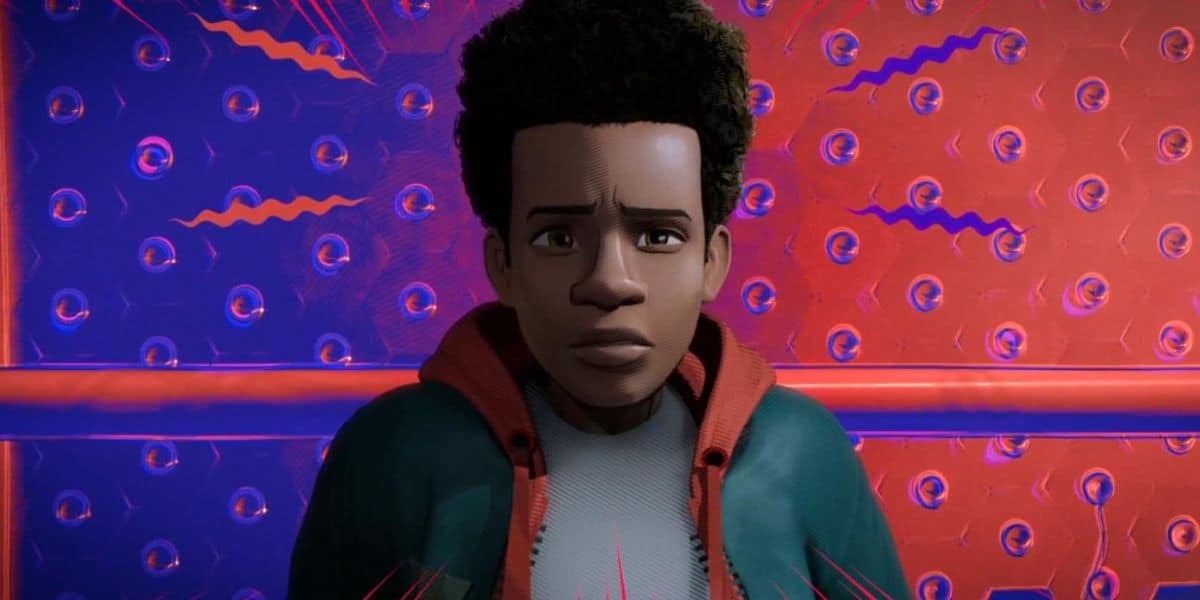
Spider-Man: Beyond the Spider-Verse (2027) is shaping up to be a bold ending to a groundbreaking trilogy. It’s taking risks, exploring darker themes, and pushing its characters into new territory.
That approach won’t work for everyone, but it’s consistent with what made the series stand out in the first place.
As the final chapter approaches, fans may not agree on every decision—but they’re all paying attention. And in a franchise like this, that kind of engagement says everything.