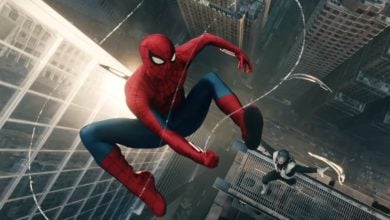
Spider-Man’s future may be grabbing headlines, but a quieter transformation is underway—one that affects how audiences revisit the character’s cinematic past as much as what lies ahead.
Over the years, Spider-Man has thrived on reinvention. Each generation has had its own Peter Parker, from the original 2000s films to the Amazing reboot and the Marvel Cinematic Universe’s current take. But as studios adjust their strategies, accessibility to those earlier chapters is becoming less predictable.
The franchise now finds itself at a turning point. Shifts in creative direction, evolving studio priorities, and broader changes within the superhero genre have all contributed to a moment of reassessment. While upcoming releases continue to draw focus, the way fans engage with Spider-Man’s history is also changing in real time.
Unlike most superhero properties, Spider-Man’s film rights have long been shared between Sony Pictures and Marvel Studios. That partnership allowed the character to exist within the MCU while still supporting Sony’s standalone projects. However, the balance between those two visions appears to be evolving.
Marvel Studios is currently reworking its approach after a series of uneven responses to recent projects. The next wave of films is being framed as a course correction, with an emphasis on tighter storytelling and renewed audience engagement. Spider-Man is expected to reflect that shift.

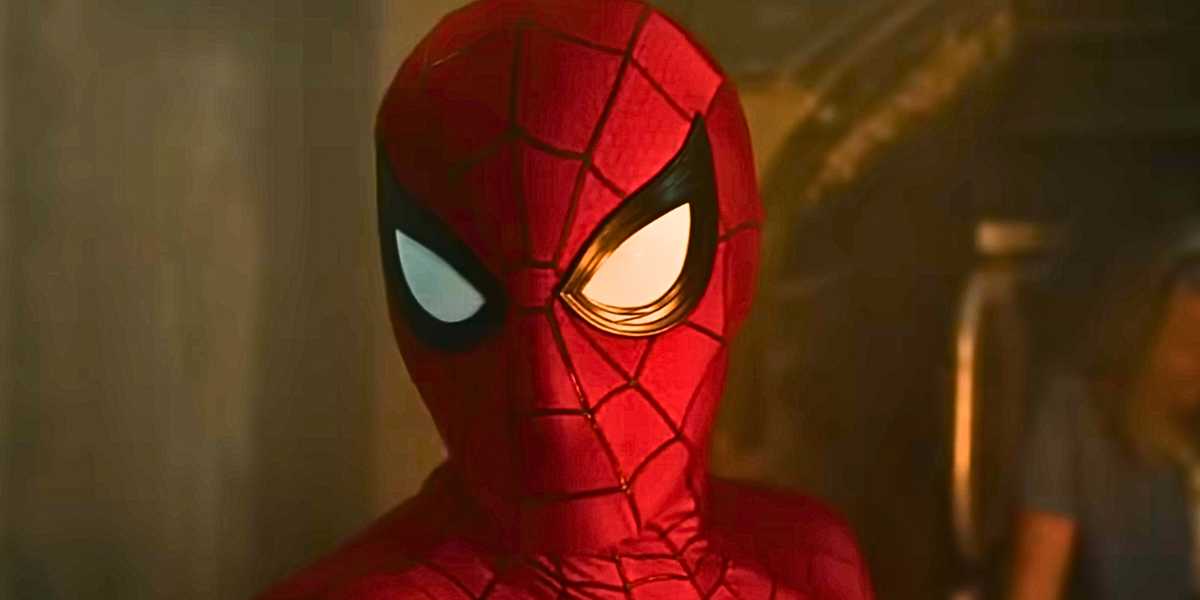
Spider-Man: Brand New Day (2026) is positioned as a pivotal entry. Picking up years after Spider-Man: No Way Home (2021), the film centers on a Peter Parker whose existence has been erased from public memory. Without his former relationships, he faces a drastically altered reality.
This creative direction signals a reset not just for the character, but for the broader narrative framework surrounding him. Interestingly, a similar sense of change is playing out beyond the films themselves.
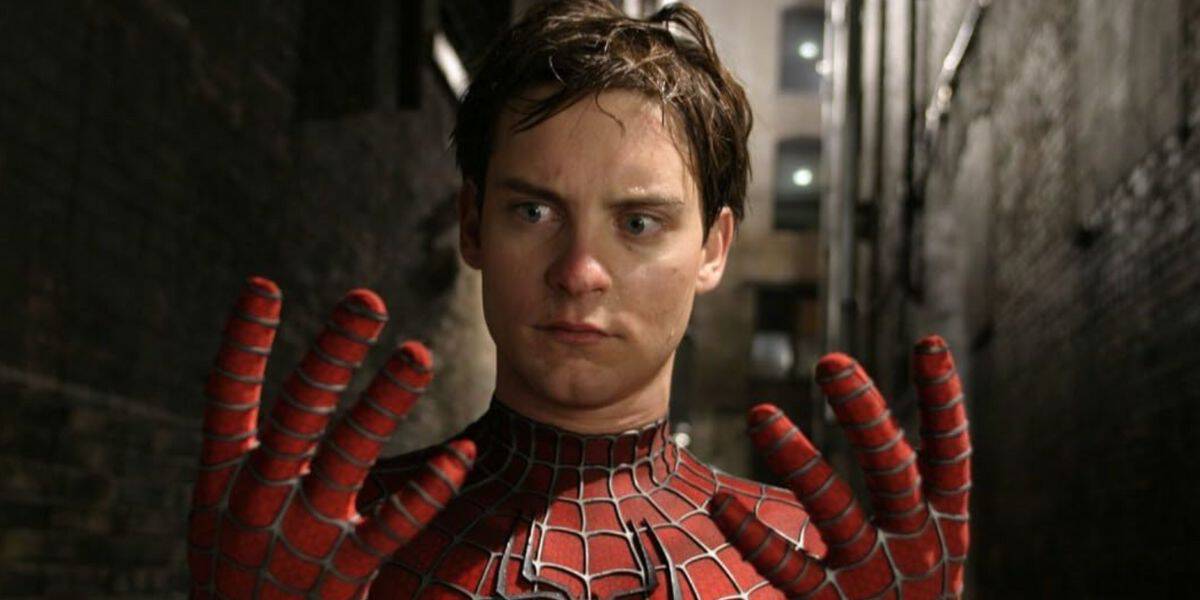
On March 1, fans were given a new way to revisit Spider-Man’s past when several legacy films arrived on HBO Max. The lineup included entries from both the original trilogy and the Amazing series, offering a wide-ranging look at the character’s cinematic evolution.
What stood out was the overlap in availability. Despite their arrival on HBO Max, the films were still streaming on Disney+, creating a rare moment where multiple platforms carried the same titles. For audiences, it meant greater flexibility and easier access to Spider-Man’s history.
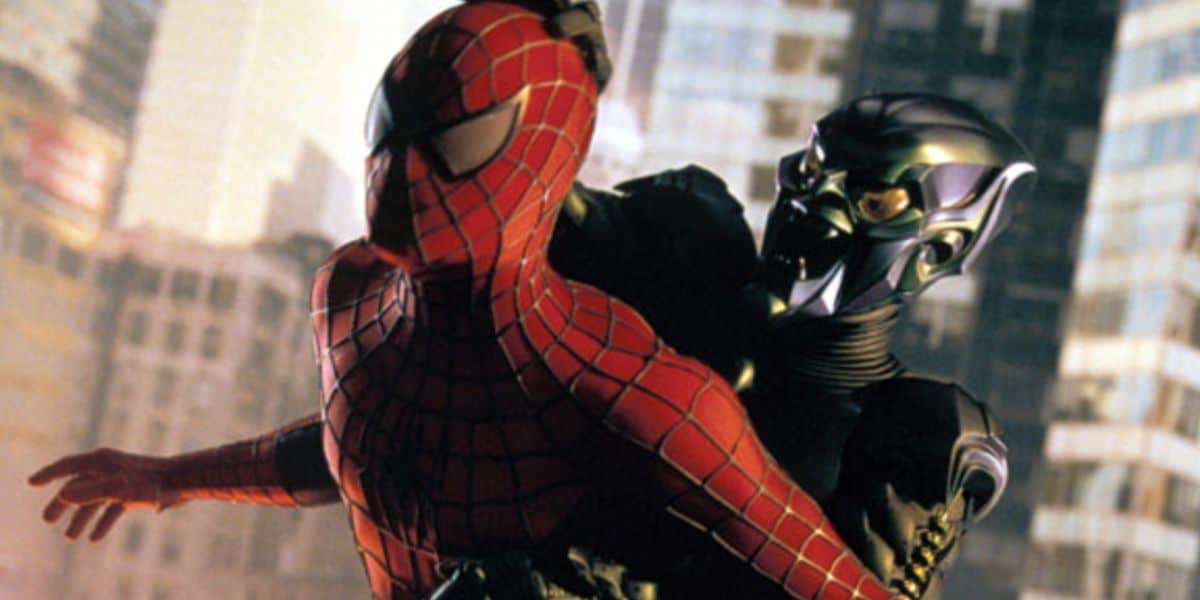
The move coincided with growing anticipation for future installments. By bringing earlier films back into circulation, studios effectively refreshed interest in the franchise, encouraging viewers to revisit key moments and performances.
That window, however, is closing quickly. As April nears its end, five live-action Sony Spider-Man films—Spider-Man, Spider-Man 2, Spider-Man 3, The Amazing Spider-Man, and The Amazing Spider-Man 2—are scheduled to leave HBO Max, concluding the platform’s brief run with the titles (per The Direct).
For fans, the impact is immediate and noticeable. Titles that were easily accessible may soon require switching services or may not be available at all for a time. It’s a reminder of how fluid the streaming landscape has become.
This approach reflects a broader strategy across the entertainment industry. Studios are increasingly rotating their libraries between platforms, aiming to extend reach and maintain value. Spider-Man’s situation is particularly complex due to shared ownership, resulting in shifting availability that can change with little warning.
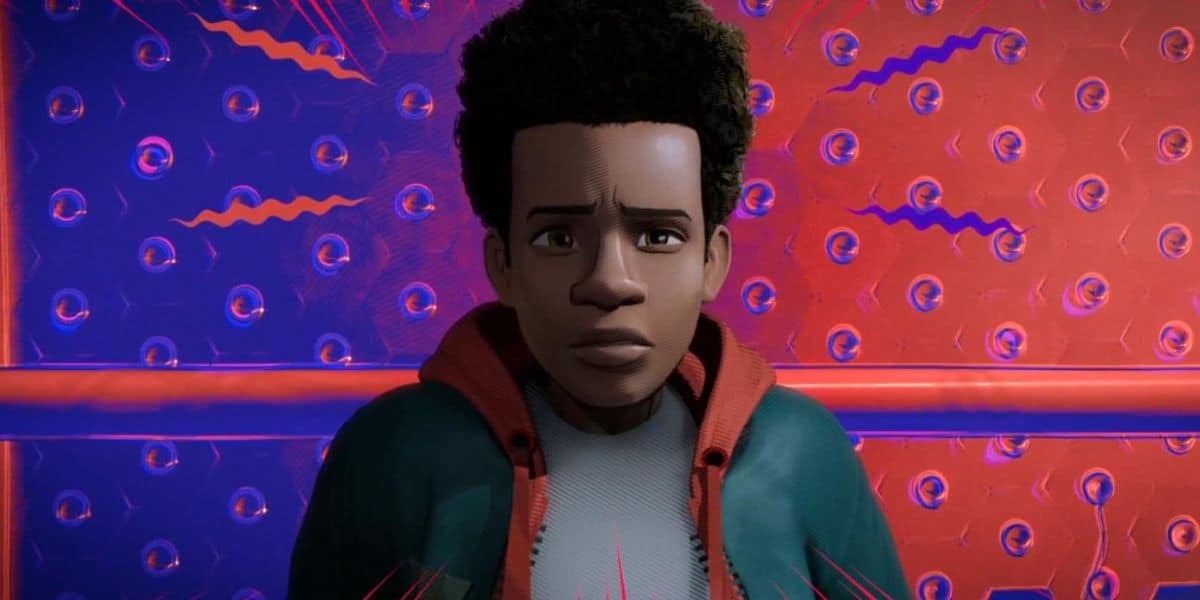
Meanwhile, the animated side of the franchise is also approaching a major milestone. Phil Lord and Christopher Miller (Project Hail Mary) have confirmed that the third installment in the Into the Spider-Verse series will mark the conclusion of Miles Morales’ story.
After the success of Spider-Man: Into the Spider-Verse (2018) and Spider-Man: Across the Spider-Verse (2023), the upcoming Spider-Man: Beyond the Spider-Verse is currently on track for a 2027 release. The film will bring this chapter of the animated saga to a close.
As these developments unfold, Spider-Man remains a franchise defined by change. From evolving storylines to shifting streaming availability, the character’s journey continues to adapt—ensuring that both his future and his past remain part of an ongoing conversation among fans.
How do you feel about where the Spider-Man franchise is going? Let us know in the comments down below!