There is something almost poetic about the situation Lucasfilm finds itself in right now.
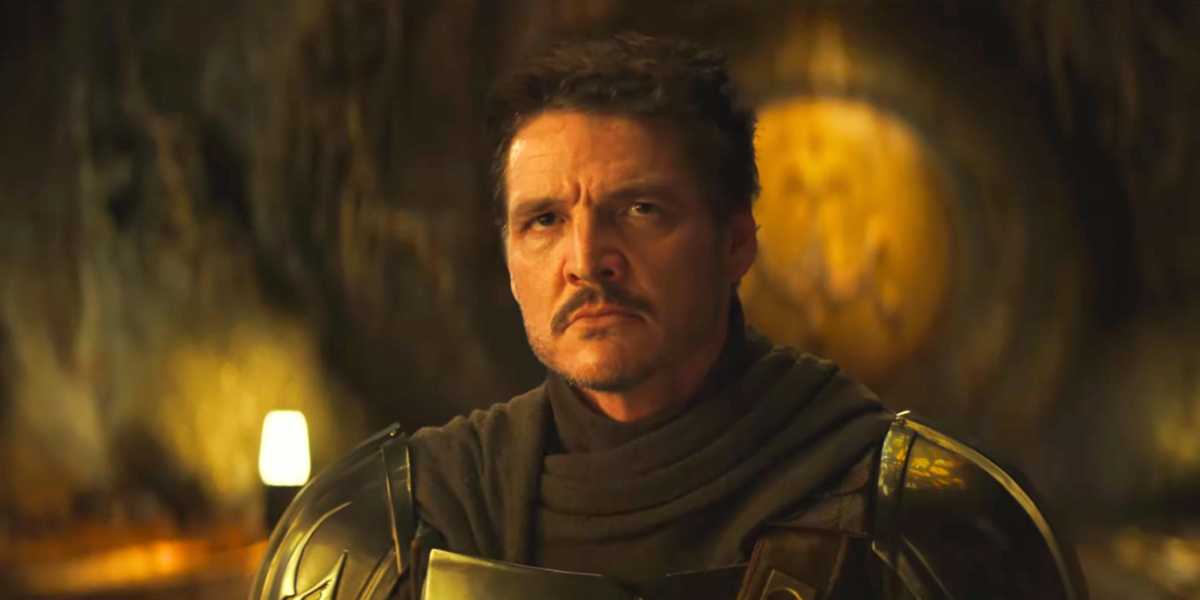
After spending years proving that Star Wars could thrive in the streaming era — building a whole interconnected universe on Disney+, anchored by The Mandalorian‘s immediate breakout success when the service launched in November 2019 — the studio made a dramatic pivot back to theaters. The result, at least so far, suggests audiences were happy where they were.
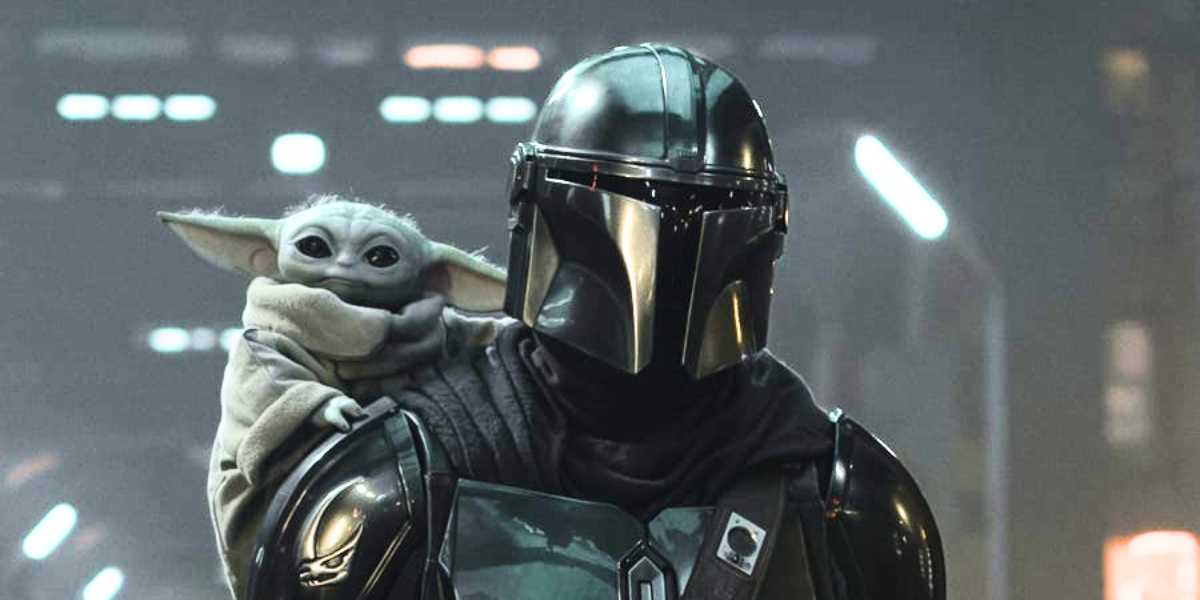
The Mandalorian and Grogu opened May 22, 2026, the franchise's first major theatrical release since Star Wars: Episode IX — The Rise of Skywalker in 2019 — seven years during which Star Wars lived almost entirely on streaming through The Book of Boba Fett, The Bad Batch, Obi-Wan Kenobi, Ahsoka, The Acolyte, Skeleton Crew, and more. Opening weekend brought in $165 million globally, nearly identical to the film's production budget. Then came weekend two.
A 70 percent second-weekend decline, flagged by The Hollywood Reporter, is the film industry's version of a flare going up. It means the audience that showed up in the first frame did so out of loyalty, and not enough new people followed them in. For a franchise that once seemed immune to casual indifference, it is a genuinely surprising place to be.
The film that did the most damage to Lucasfilm's pride was not a competing blockbuster with a nine-figure marketing budget. It was Obsession, a Focus Features film that cost roughly $1 million to make, starring Michael Johnston as Baron “Bear” Bailey and Inde Navarrette as Nikki Freeman. It debuted at Toronto before opening in U.S. theaters on May 15, and by midweek of Mando's opening frame, the comparison was uncomfortable.
As Forbes reported the week after Mando's release: “Daily box office tracking is now showing that Obsession is now beating The Mandalorian and Grogu handily as of this Wednesday, earning $5.6 million domestically to Mando's $4.1 million on that day. And again, this is the second week of Obsession‘s release (this Wednesday is practically a non-existent drop from last Wednesday), and this is Mando's first week.”
Obsession has since reached, at the time of publication, $166.6 million globally, turning what was supposed to be a triumphant franchise return into a very public teachable moment about the difference between brand recognition and actual audience demand. In the movie's second weekend, it was Kane Parsons' Backrooms (2026) that topped the box office.
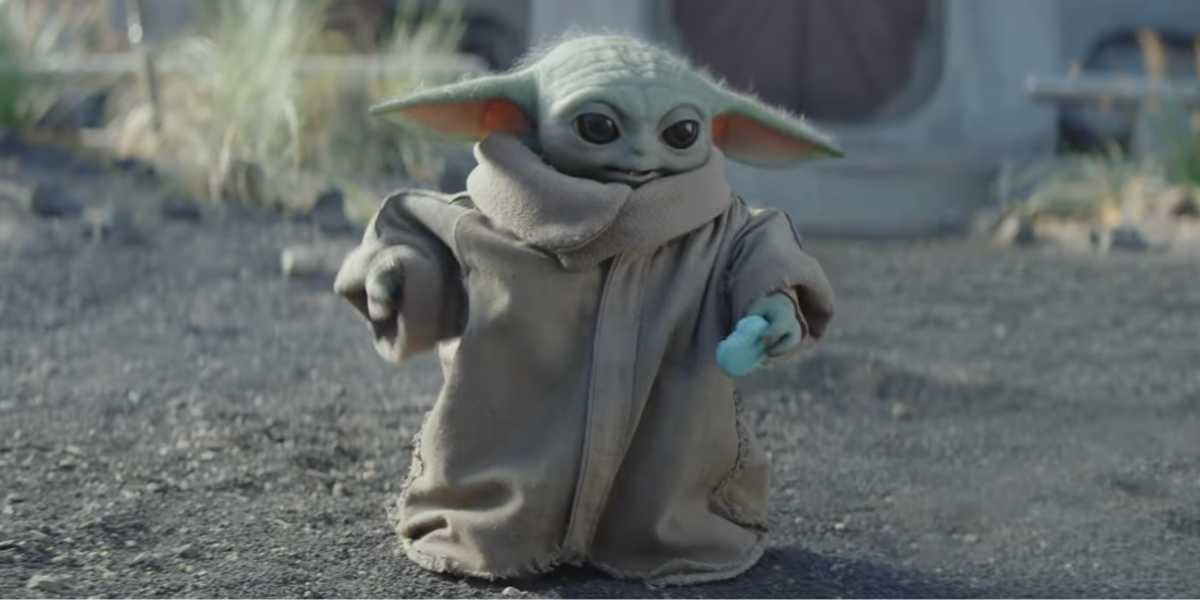
Some of the gap between expectation and reality may trace back to how the film came to exist in this form. Showrunner Jon Favreau restructured what had originally been conceived as The Mandalorian Season 4 into a standalone theatrical feature. That meant stepping back from the kind of deeply serialized storytelling that had rewarded devoted streaming audiences. Favreau has acknowledged that the original Season 4 plans would have tied more directly into the Ahsoka storyline and the long-awaited return of Grand Admiral Thrawn, played by Lars Mikkelsen. The theatrical cut needed to work for someone walking in cold on a Friday night, not just someone who had seen every episode.
Lucasfilm's response to the underwhelming run has been creative: a director's commentary version of the film is now playing in theaters, announced through the TheaterEars official Instagram in partnership with Lucasfilm. It layers behind-the-scenes insight and creative context directly over the film, offering a meaningfully different experience for those willing to return. For opening-weekend devotees, it is a genuine bonus. For those who skipped the first run, it is a different kind of invitation. Either way, it extends the film's presence in theaters while the numbers are still trending down.
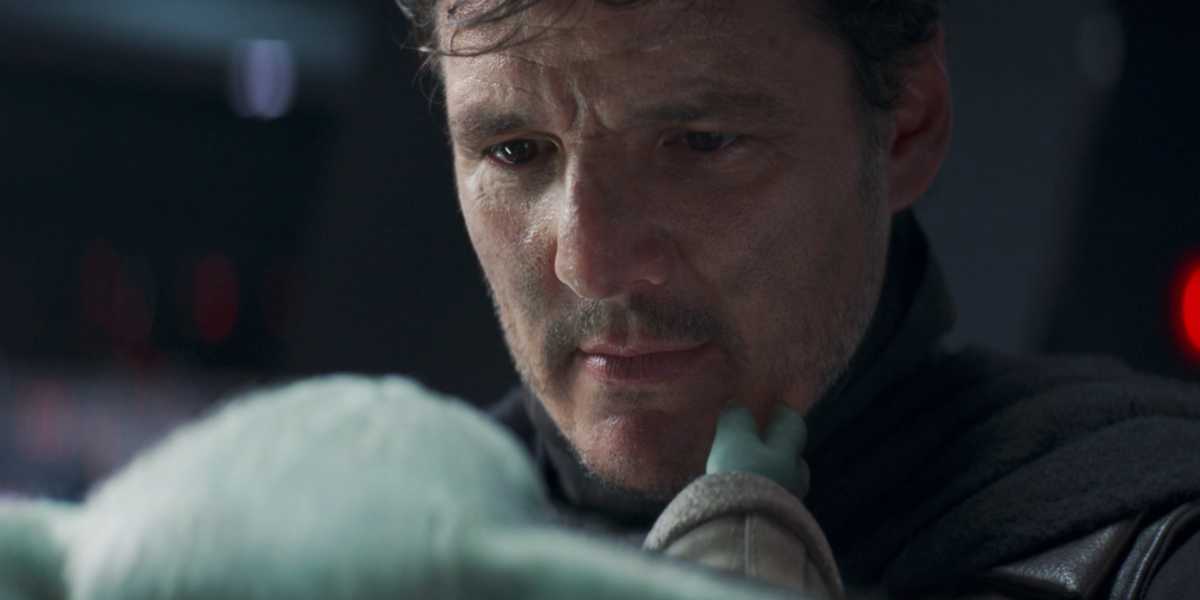
The path forward for Star Wars is not exactly bleak. Ahsoka Season 2 is coming to Disney+ with Dave Filoni steering unresolved storylines involving Sabine Wren, played by Natasha Liu Bordizzo, and Ezra Bridger, played by Eman Esfandi. And in 2027, Star Wars: Starfighter arrives with Shawn Levy directing and Ryan Gosling leading a cast that, at least on paper, carries genuine crossover credibility.
Levy directed Deadpool and Wolverine (2024) to a billion-dollar gross; Gosling most recently anchored the enormous success of Project Hail Mary (2026). Filoni, now sharing leadership of Lucasfilm with Lynwen Brennan, has tried to keep perspective: “Everything works as planned. Like a Jedi, you must keep your mind in the here and now.” The here and now is complicated. But the galaxy far, far away has survived worse.
How do you feel about the new version of the movie? Let us know in the comments down below!