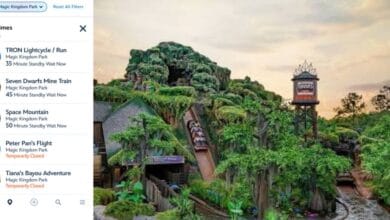

After spending two hours shuffling through a serpentine line under the Central Florida heat, you finally approach the boarding gates. You have planned this vacation for six months, spent hundreds of dollars on park tickets, and paid extra for line-skipping access. Then, an automated chime echoes through the queue: “Attention guests, this attraction has temporarily suspended operations.”

Overhead work lights illuminate the show scenes, cast members begin guiding bewildered families toward service exits, and a digital replacement pass pings on your smartphone. While theme park mechanical issues have always been an occasional reality, unexpected ride closures across Walt Disney World have escalated from rare annoyances into an everyday operational grind.
From multi-million-dollar trackless headliners to gentle family omnimovers, rides across the resort are showing clear signs of mechanical strain. Yet park management continues to keep them limping along with overnight fixes, leaving paying visitors to absorb the lost time and mounting frustration.
Tracking a Month of Disney World Ride Stalls
Recent monthly operational data reveals how widespread the reliability issues have become across three of the four theme parks:
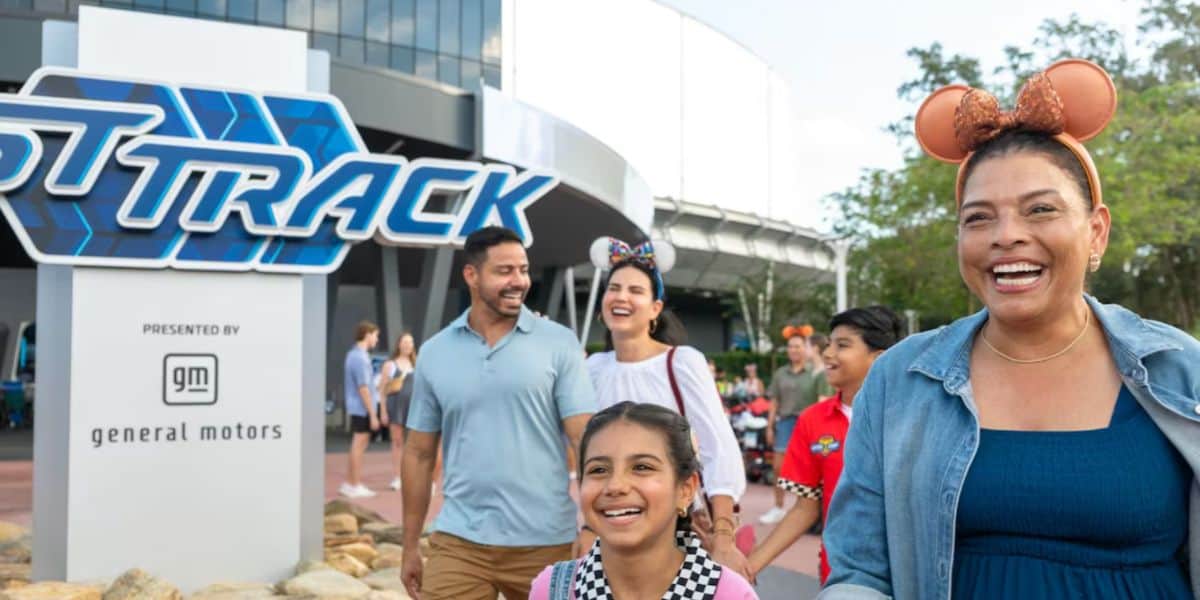
EPCOT: The Hardest-Hit Gates
- Test Track: Leading the resort in unexpected downtime, Test Track logged a staggering 67 separate closures across 25 days—averaging nearly three operational pauses every single day.
- Remy’s Ratatouille Adventure: The France Pavilion’s 3D dark ride stalled out 31 times in 18 days, illustrating the temperamental nature of trackless positioning sensors during high-crowd days.
- The Seas with Nemo & Friends: Demonstrating that even simple rides are feeling the burn, this gentle, slow-moving “clammobile” omnimover stopped running 29 times in 18 days.
Disney’s Hollywood Studios: High-Tech Friction
- Slinky Dog Dash: Toy Story Land’s marquee family coaster topped the park with 36 closures across 21 days, regularly upending morning rope-drop strategies.
- Mickey & Minnie’s Runaway Railway: The Chinese Theatre dark ride followed closely with 29 closures across 18 days.
- Star Wars: Rise of the Resistance: The resort’s most technically intricate attraction recorded 28 closures across 16 days.
- Rock ‘n' Roller Coaster Starring The Muppets: The reimagined indoor coaster registered 21 closures in 16 days—a solid showing under massive demand, but still an ongoing bottleneck.
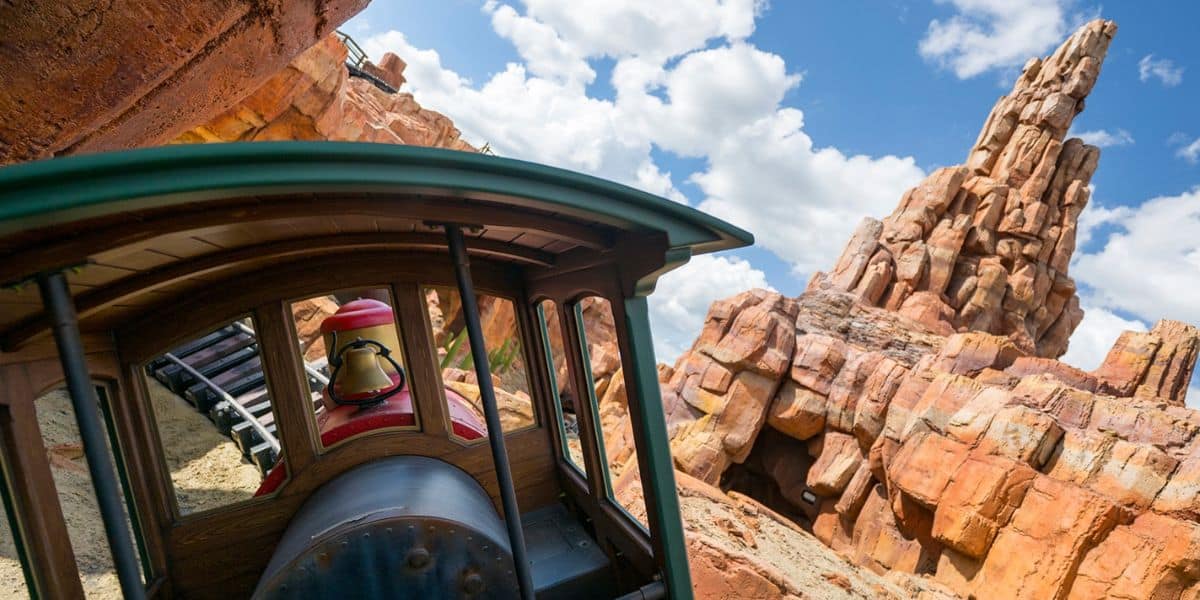
Magic Kingdom: Straining Classic Infrastructure
- Big Thunder Mountain Railroad: Frontierland’s mine-train coaster shut down 34 times across 24 days.
- The Many Adventures of Winnie the Pooh: Fantasyland’s gentle honey-pot ride recorded 33 closures in 20 days.
By comparison, Disney’s Animal Kingdom was the only park to hold the line, with nearly every ride closing three times or fewer all month, outside of Kali River Rapids (10 closures in 9 days) and Expedition Everest.
Why Disney Won’t Pull the Plug for Repairs
If these attractions are struggling so severely, why doesn't Disney pull them offline for extensive multi-week overhauls?

The hesitation comes down to an acute logistical squeeze: park capacity and active construction zones.
Walt Disney World is currently balancing major land redevelopment projects across several parks. In Magic Kingdom and Hollywood Studios, construction walls have already pinched walkways and reduced overall footprint.
If Disney were to simultaneously close major capacity-eating rides like Test Track, Big Thunder Mountain, or Mickey & Minnie’s Runaway Railway for comprehensive rebuilds, the remaining open attractions would buckle under the displaced crowds. Standby waits at secondary rides would immediately skyrocket, walkways would gridlock, and guest complaints would surge.

Disney is trapped in a no-win scenario: close the rides and destroy daily park capacity, or keep patching them overnight and hope they limp through the day. Right now, management is choosing the latter.
When Breakdowns Turn Into Financial Losses
What makes these stoppages particularly painful is the record cost of a modern Disney vacation. Between single-day park tickets that regularly exceed $150 and the added cost of Lightning Lane Multi Pass or Premier Passes, a single park day costs families hundreds of dollars per hour.

When headliners break down:
- Prepaid Windows Are Wasted: A broken ride converts a paid Lightning Lane into an open pass, forcing guests to pile into already congested alternative lines.
- Non-Refundable Time Disappears: Two hours spent waiting in a queue that gets evacuated mid-line cannot be refunded. In a limited ten-hour park day, a couple of breakdowns can easily wipe out a third of your usable vacation.
- App Fatigue Takes Over: Instead of enjoying the sights, visitors spend hours glued to their smartphones, constantly refreshing the My Disney Experience app to see which ride will go dark next.
How to Protect Your Day
To prevent ride stoppages from derailing your itinerary, verify morning ride operations in the mobile app before running straight to high-risk coasters at rope drop. Target temperamental trackless rides early in the morning before heat and crowds compound sensor faults, and use high-capacity indoor theater shows (Mickey’s PhilharMagic, The American Adventure) as reliable reset options when midways get jammed. Finally, if repeated breakdowns wipe out your prepaid Lightning Lane bookings, politely explain the disruption to a Guest Experience Team cast member under the blue umbrellas for assistance.