

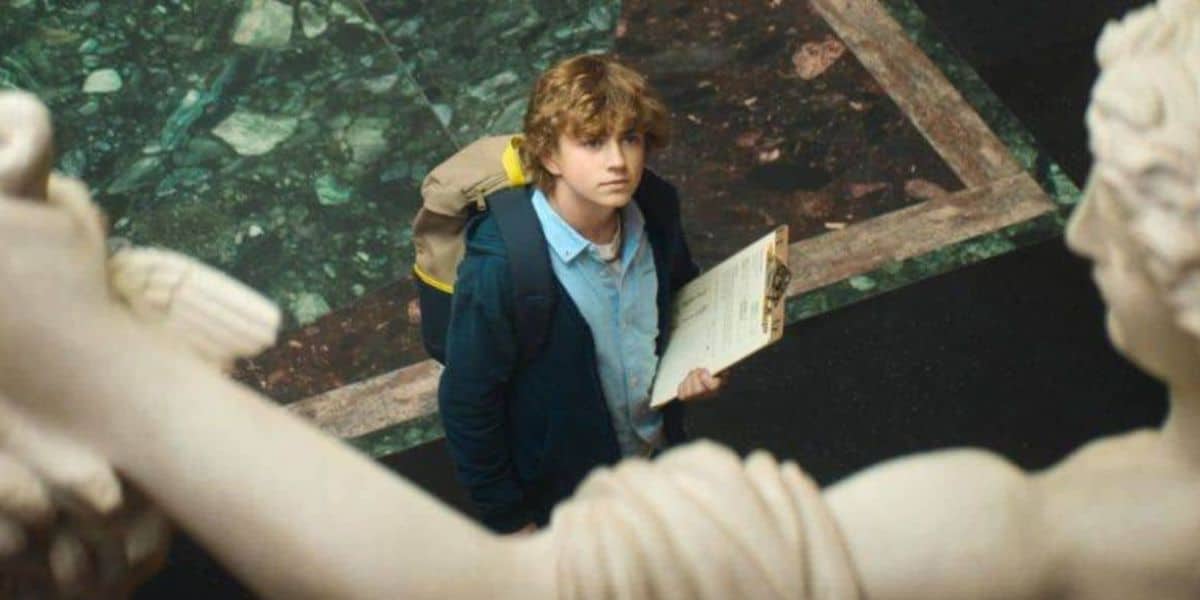
When Disney+ debuted its serialized adaptation of Rick Riordan’s Percy Jackson and the Olympians, it sparked an immediate cultural and commercial revival. The series drew blockbuster streaming numbers, proving that modern audiences across generations hold a massive appetite for classical Greek myth when told with emotional depth and authentic character stakes.

Now, The Walt Disney Company is moving that mythological momentum from the small screen straight to the cineplex.
Disney has officially placed an original, live-action Medusa feature film into active development. The studio has tapped screenwriter Michael Montemayor—who co-wrote Disney’s upcoming live-action Tangled film alongside Jennifer Kaytin Robinson and is scripting the Cinderella spinoff Stepsisters—to pen the script. Spearheading the project as producers are Dwayne “The Rock” Johnson alongside his Seven Bucks Productions partners Dany Garcia and Hiram Garcia, teaming with producer Matt Smith of Electro Corduroy Entertainment.
The move marks a notable evolution in Disney's live-action strategy. Rather than leaning solely on conventional fairy-tale princess remakes, the studio is diving headfirst into the rich, dramatic, and often tragic waters of ancient Greek mythology.
The Percy Jackson Blueprint: A New Golden Age for Greek Lore
For years, Hollywood struggled to balance Greek mythology on the big screen. The industry frequently drifted between campy fantasy and desaturated, hyper-violent sword-and-sandal war movies like 300 or the Clash of the Titans remakes.

Percy Jackson succeeded because it focused on the timeless core of these ancient tales: the volatile, messy family dynamics of the Olympian gods, the tragic consequences of mortal pride, and the emotional toll borne by everyday humans trapped in divine power struggles.
Seeing how deeply audiences engaged with the ancient Greek pantheon on streaming platforms, Disney recognized that classical mythology is a goldmine for standalone theatrical features. By greenlighting an original film focused on Medusa, the studio is asserting that ancient myths are not merely supplementary backdrops for teenage heroes—they are formidable narrative worlds capable of supporting their own character-driven blockbusters.
Subverting the Myth: Why Medusa Demands a Modern Retelling
Throughout mainstream cinematic history, Medusa has largely been reduced to a terrifying obstacle: a hideous, serpentine monster lurking in a cavern whose petrifying gaze exists solely to test the mettle of a male hero. From Ray Harryhausen’s legendary stop-motion Gorgon in 1981’s Clash of the Titans to Uma Thurman’s fashionable turn in 2010’s The Lightning Thief, she has almost always been framed as a beast waiting to be slain by Perseus.
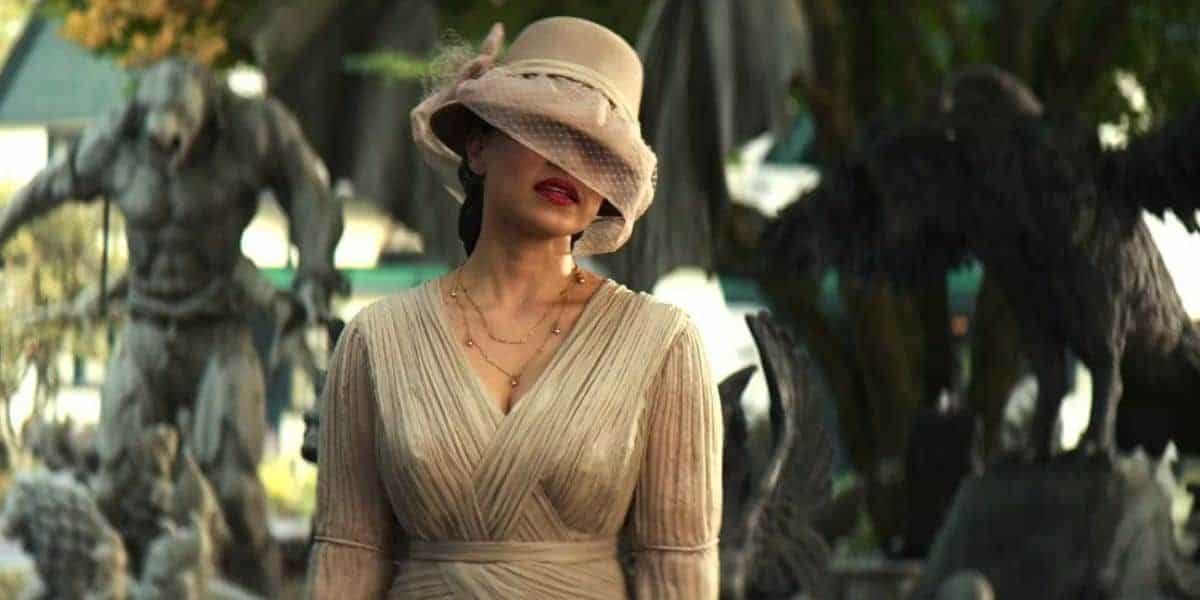
However, classical literature reveals a far more complex and heartbreaking tragedy.
In ancient myth—most famously recorded in Ovid’s Metamorphoses—Medusa was not born a monster. She was an extraordinarily beautiful mortal maiden and a devoted priestess serving in the sacred temple of Athena. Her life was shattered when the sea god Poseidon violently assaulted her within the goddess's sanctuary.
Instead of holding the Olympian deity accountable, Athena directed her divine rage at the mortal victim. The goddess cursed Medusa, transforming her magnificent hair into a nest of hissing vipers and giving her eyes that would petrify any living being who looked upon them. Exiled to a desolate island, Medusa lived as an isolated outcast until Perseus was dispatched to take her head as a trophy of war.
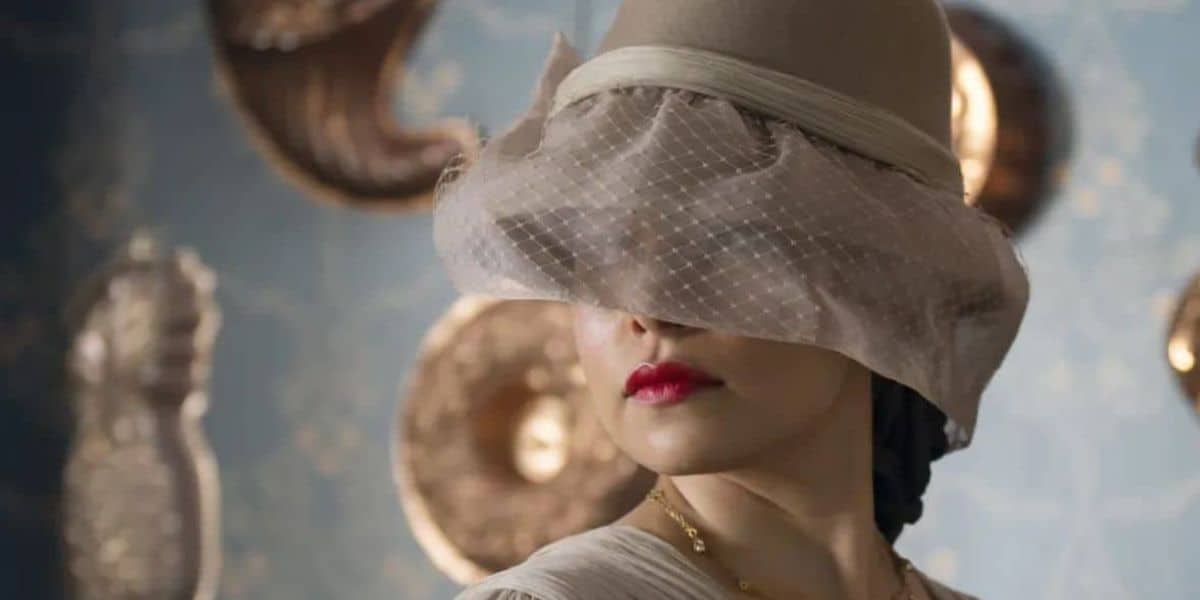
In recent decades, modern literature, feminist critique, and contemporary readers have reclaimed Medusa. Today, she is widely viewed as a symbol of divine injustice, survival, and tragic strength.
By hiring Michael Montemayor—a scribe skilled in balancing character vulnerability with grand fantasy world-building—Disney has the foundation to deliver a nuanced, empathetic origin story. Rather than a standard monster movie, Medusa has the potential to mirror the narrative depth of films like Maleficent, examining how betrayal, institutional cruelty, and divine indifference created one of history’s most misunderstood figures.
The Rock & Seven Bucks: Disney’s Heavyweight Hitmakers
The involvement of Dwayne Johnson and Seven Bucks Productions gives the project instant theatrical scale.

Disney and Seven Bucks have cultivated an exceptionally lucrative partnership:
- Jungle Cruise (2021): Johnson starred in and produced the live-action adventure based on the classic Disney Parks ride, which proved resilient with audiences and led to development on a sequel.
- The Moana Franchise: Seven Bucks has been instrumental in shepherding the Polynesian animated universe, supporting Johnson's vocal return as Maui and guiding the high-profile live-action theatrical adaptation.
- Global Spectacle: From revitalizing the Jumanji franchise to large-scale action tentpoles, Seven Bucks brings a track record of executing high-concept, effects-heavy blockbusters with broad global appeal.
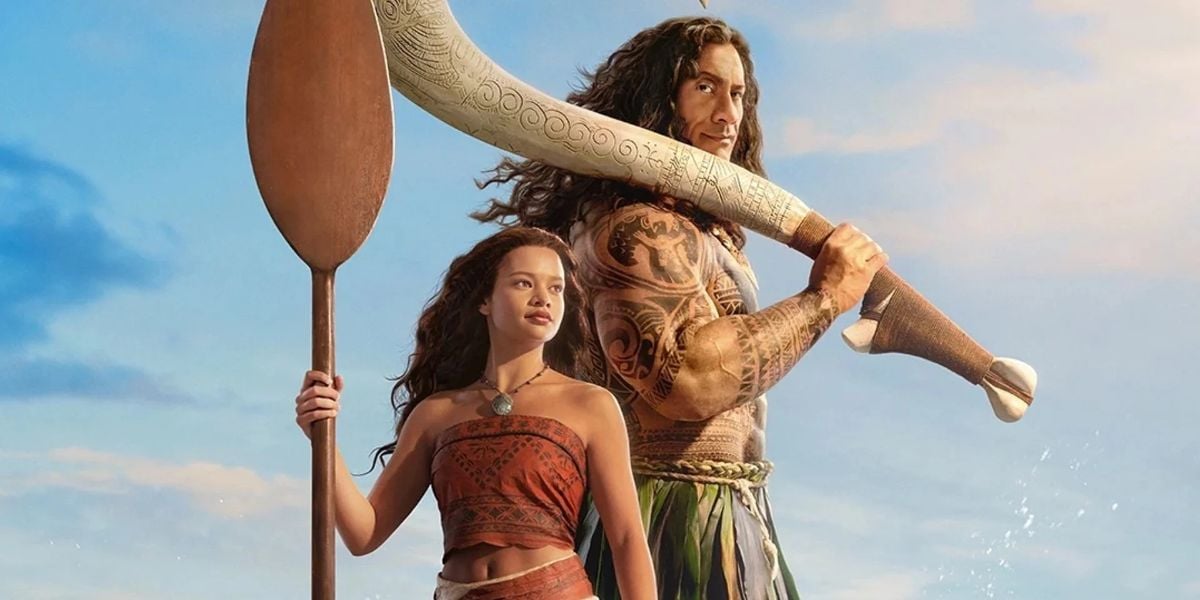
While Johnson, Dany Garcia, and Hiram Garcia are currently attached strictly as producers, speculation is naturally circulating regarding whether the Hollywood superstar will take an on-screen role. While Johnson would not fit the role of Perseus, an appearance as an imposing Olympian deity—such as a commanding Zeus or a ruthless Poseidon—would instantly ignite international box-office tracking.
Pushing the Boundaries of Visual Effects
Bringing Medusa to life in modern live-action offers a playground for cutting-edge visual effects and creature design.
Previous cinematic adaptations relied heavily on static hairpieces, prosthetics, or early digital animation. Today's advanced visual effects pipelines allow for something far more dynamic:
- Organic Serpent Simulation: Utilizing modern muscle and fluid dynamics, Medusa’s crown of serpents can be rendered as an extension of her emotional state—hissing aggressively during combat, recoiling in grief, or relaxing in quiet moments.
- A Visceral Petrification Effect: Moving beyond flat gray skin textures, modern digital rendering can depict the turning to stone as an organic, crystalline transformation that conveys the terrifying reality of her curse.
- Blending Practical Craft and CGI: By combining physical prosthetics and tactile makeup with high-end digital enhancement, the production can ground the performance in genuine human emotion while delivering mythic visual grandeur.
Expanding Disney’s Theatrical Horizons
The development of Medusa arrives as Hollywood studios seek stories with instant global name recognition that do not carry the baggage of convoluted comic book continuity.

Classical Greek mythology exists in the public domain, offering universal themes of fate, pride, justice, and humanity that have endured for millennia. If Medusa strikes a chord with theatergoers, it could easily lay the groundwork for an expansive slate of live-action mythological epics, paving the way for fresh cinematic takes on legends such as Icarus, Atalanta, and the tragic romance of Hades and Persephone.
With Percy Jackson maintaining its strong foothold on streaming and Medusa gearing up for theatrical release, Disney is charting a deliberate course toward Mount Olympus. By combining the narrative finesse of Tangled’s writer with the blockbuster muscle of Seven Bucks Productions, the studio is preparing to turn Hollywood's gaze to stone.