
A heated standoff at Magic Kingdom’s Seven Dwarfs Mine Train has ignited a fierce online debate over theme park safety rules, inconsistent enforcement, and how far content creators will go to capture viral ride footage.

In a clip circulating rapidly on X, a guest boarded the popular Fantasyland family coaster holding an Insta360 camera mounted on a handheld extension pole. Before the train could depart from the loading station, a sharp-eyed Walt Disney World cast member noticed the gear and instructed the rider to put the extension pole away.
Instead of complying, the guest dug in—arguing with the ride operator and insisting that park security at the front entrance had cleared him to carry the equipment inside. Because attraction safety protocols strictly prohibit launching a coaster while an unapproved object is unsecured, the cast member held the train in the station. The entire ride cycle ground to a halt while fellow passengers waited, until the guest finally relented and exited the ride.
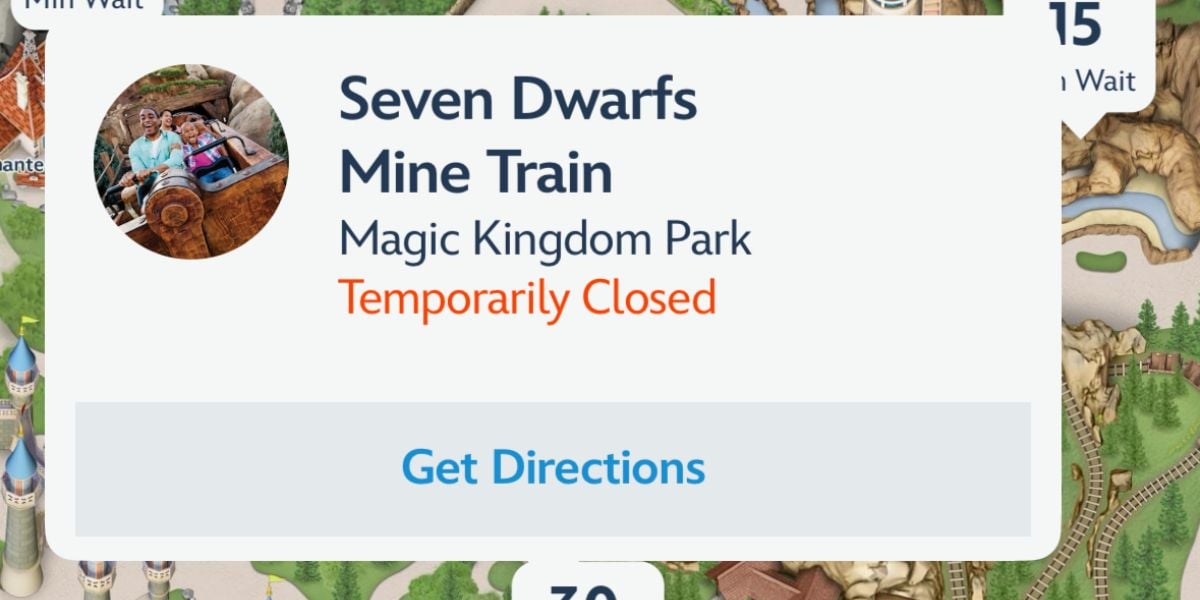
In an ironic twist that added fuel to the discussion, the guest later got back in line for Seven Dwarfs Mine Train—and on his second attempt, a different cast member allowed him to board and film using the same Insta360 camera setup.
While the inconsistency between the two ride operators drew plenty of scrutiny, the overwhelming consensus in the comments came down squarely on the side of the first cast member. The incident is a stark reminder of why theme park safety policies exist—and why ignoring a cast member’s directive is never worth the view count.
Content Creators vs. Safety Protocols: The Pressure for Footage
To understand why a rider would hold up a roller coaster train over camera equipment, it helps to look at the high-pressure economy of modern theme park content creation.
Across TikTok, YouTube, and X, Disney vloggers and theme park influencers compete intensely for algorithmic reach. Immersive, 360-degree point-of-view (POV) ride videos and dynamic reaction shots consistently generate massive engagement. Mounting an Insta360 camera on an extension pole allows creators to achieve wide, floating “drone-like” perspectives that standard handheld phones simply cannot replicate.
However, the chase for cinematic angles collides directly with basic physics. Seven Dwarfs Mine Train is a swinging steel roller coaster featuring sudden drops, banked curves, and tight, enclosed cavern scenes inside the diamond mine. If a creator’s grip slips—or if an extended pole strikes a piece of scenic rockwork—that rigid camera stick instantly becomes a high-velocity projectile.
For the dozens of families seated in the mine cars behind a vlogger, a flying 360 camera is not a minor annoyance; it is a serious safety hazard capable of causing severe head or facial injuries, damaging track sensors, and triggering hours-long ride closures.
What Disney World Does—and Does Not—Allow on Rides
Part of the confusion highlighted by the viral video stems from the difference between what gets past front-gate security versus what is permitted on an active attraction. Even if a security officer waves a piece of camera gear through bag check at the park entrance, attraction cast members hold final authority over what boards a ride vehicle.
Under official Walt Disney World Resort Property Rules and attraction safety guidelines, the boundaries are clear:
What Is Strictly Prohibited:
- Selfie Sticks and Hand-Held Extension Poles: Disney instituted a strict, property-wide ban on selfie sticks and extendable camera poles in 2015 after multiple incidents where poles struck ride structures and halted coasters. Official Walt Disney World Property Rules explicitly state that “selfie sticks, hand-held extension poles for cameras or mobile devices” are barred from all theme parks and water parks—regardless of whether they are used for selfies or 360-degree filming.
- Large Tripods and Monopods: Any tripod or monopod stand that cannot collapse to fit inside a standard backpack, or that extends beyond 6 feet (182 cm), is prohibited on the property.
- Loose Handheld Gear on High-Thrill Rides: On intense coasters with high G-forces or inversions—such as TRON Lightcycle / Run, Space Mountain, or Rock ‘n' Roller Coaster—loose articles, including handheld cameras and phones, must be stowed in lockers or secure pouches.
- External Lighting and Flash Photography: Continuous video lights and camera flashes are barred on dark rides and indoor attractions, as they ruin the show experience for other riders and interfere with ride safety sensors.
What Is Generally Allowed (With Conditions):
- Smartphones and Compact Cameras: Guests may hold phones or small action cameras (such as a standalone GoPro, DJI Osmo Pocket, or Insta360 without an extension pole) on gentle rides and certain family coasters, provided they maintain a firm grip and keep the device inside the ride vehicle envelope.
- Non-Extending Grips and Chest Harnesses: Short, non-extending hand grips, wrist straps, and secure chest harnesses are often permitted by ride operators because they keep the camera anchored close to the rider's body and reduce the risk of drops.
- Compact Folding Tripods: Small tabletop tripods that do not extend and fit easily in a standard backpack are allowed in the parks for stationary filming, but must be put away while riding attractions.
Why Listening to Cast Members Is Non-Negotiable
In the comment sections surrounding the Seven Dwarfs Mine Train standoff, the clearest takeaway from veteran parkgoers and former theme park workers was simple: always listen to the cast member.

Frontline ride operators complete rigorous safety training designed to prevent accidents before a train ever leaves the station. When a cast member asks a guest to secure a hat, stow a loose bag, or put away an Insta360 extension pole, they are enforcing strict operational mandates overseen by state safety inspectors and ride engineering teams.
Arguing with a ride operator—especially by claiming “security said it was okay”—misses a vital operational distinction. Front-gate security officers screen bags for weapons and oversized prohibited items; they do not evaluate attraction-specific clearance envelopes. Only the attraction cast members understand the exact reach hazards, lateral forces, and clearance zones of their specific ride.

Refusing to comply also punishes hundreds of innocent guests waiting in line. Every minute a cast member spends debating a stubborn rider at the load platform delays dispatch intervals, drives up standby wait times, and disrupts Lightning Lane return windows across the park.
Even when rule enforcement feels inconsistent from one operator to the next, the golden rule of theme park etiquette remains unchanged: comply immediately with the cast member in front of you. No viral clip or social media view count is worth holding up a coaster—or putting another guest in danger.