The magic of theme parks has continuously evolved, but recently, change feels faster than ever. Technology is no longer simply enhancing the rides—it has become the centerpiece. Trackless vehicles glide through sets, projections create entire worlds, and guests find themselves inside stories in ways Walt Disney could only dream of.
But as Disney leans further into innovation, one question lingers: how much will technology replace the human touch that makes the parks feel alive?

Storytelling With a Tech Twist
Disney Imagineers have mastered the art of blending screens with physical environments. Take Mickey and Minnie’s Runaway Railway: at first glance, it’s just a colorful cartoon ride, yet it hides layers of projection mapping that seamlessly fill every corner with motion.
Then there’s Frozen Ever After, where advanced animatronics meet projection-based faces that give characters far more emotional range. Guests may overlook the mechanics, but they feel the magic.

A New Level of Thrills
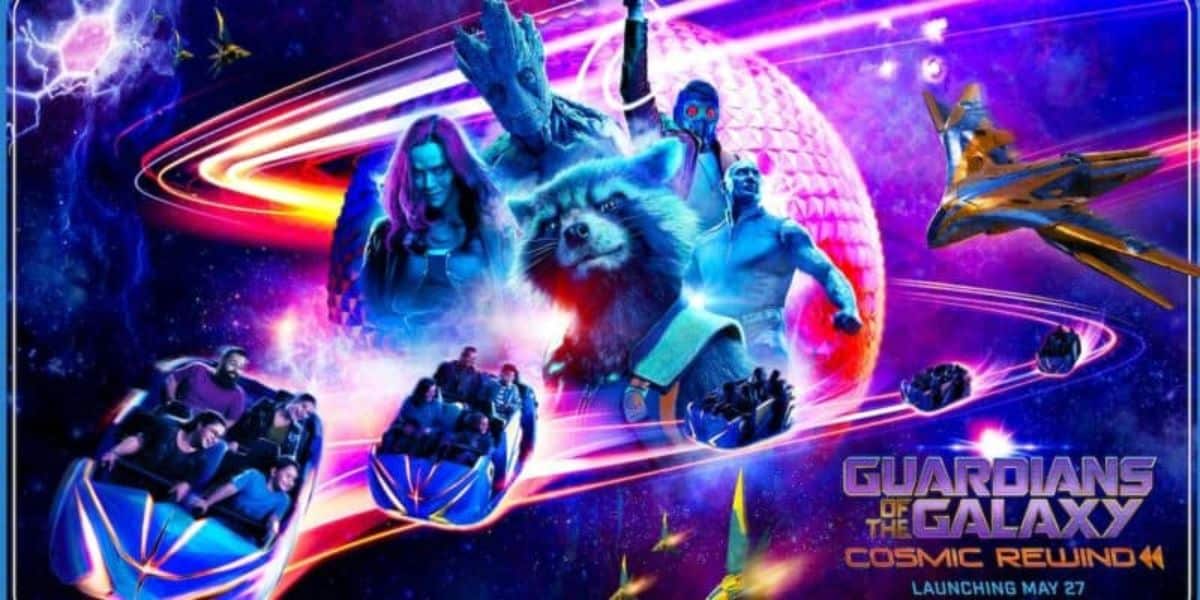
Disney also uses cutting-edge ride systems to deliver smoother, more intense adventures. Cosmic Rewind spins riders toward key story moments, turning a roller coaster into something more like a cinematic experience.
TRON Lightcycle Run takes the thrill further with high-speed launches and motorcycle seating that immerses guests in the race. These innovations show that technology at Disney isn’t just about looks—it’s about transforming how rides move and feel.
The AI Question
While these rides highlight innovation, AI in everyday park life might be the next big leap. Other industries already use robots to deliver meals or clean tables, and Disney could easily adopt the trend. Imagine placing a mobile order and seeing a futuristic robot glide across the restaurant floor, themed perfectly to its environment. It would feel efficient and entertaining at the same time.
Beyond Dining
Food service is only the beginning. AI-driven kiosks could answer guest questions, scan Lightning Lane passes, or provide directions. With robotics combined with AI speech, character meet-and-greets might one day feature characters responding naturally to guest comments, eliminating the need for a human inside the costume.

Why It Makes Sense
For Disney, automation solves many challenges. Staffing an operation of this size is difficult and expensive. Robots don’t require benefits, breaks, or time off. They can run nonstop, making park operations smoother and more predictable. Efficiency has always been part of Disney’s playbook, and AI could further push that.
The Trade-Off
But progress has a price. Cast members aren’t just employees—they’re storytellers and memory-makers. They bring the warmth that turns a theme park visit into something unforgettable. If too many roles are handed over to AI, the parks risk feeling more mechanical than magical. Technology may impress, but can’t replicate genuine kindness, empathy, or spontaneity.

Finding the Balance
Disney’s best move may be blending both worlds. AI could handle routine tasks—like food delivery or answering simple questions—while cast members continue to focus on moments that require real human interaction. This would keep the parks efficient without sacrificing their charm.
Disney's future will almost certainly include AI. The challenge lies in ensuring it complements the experience rather than overtaking it. Innovation has always driven the company forward, but at its core, Disney has thrived because of people.