In the spring of 2026, the global economic map looks like a series of red zones. Between the cooling markets in the West and the destabilizing Iran-West conflict, causing energy prices to yo-yo, the “average” consumer is tightening their belt until it hurts. Yet, if you look at The Walt Disney Company’s latest earnings call, you’d think we were living in a new Gilded Age.
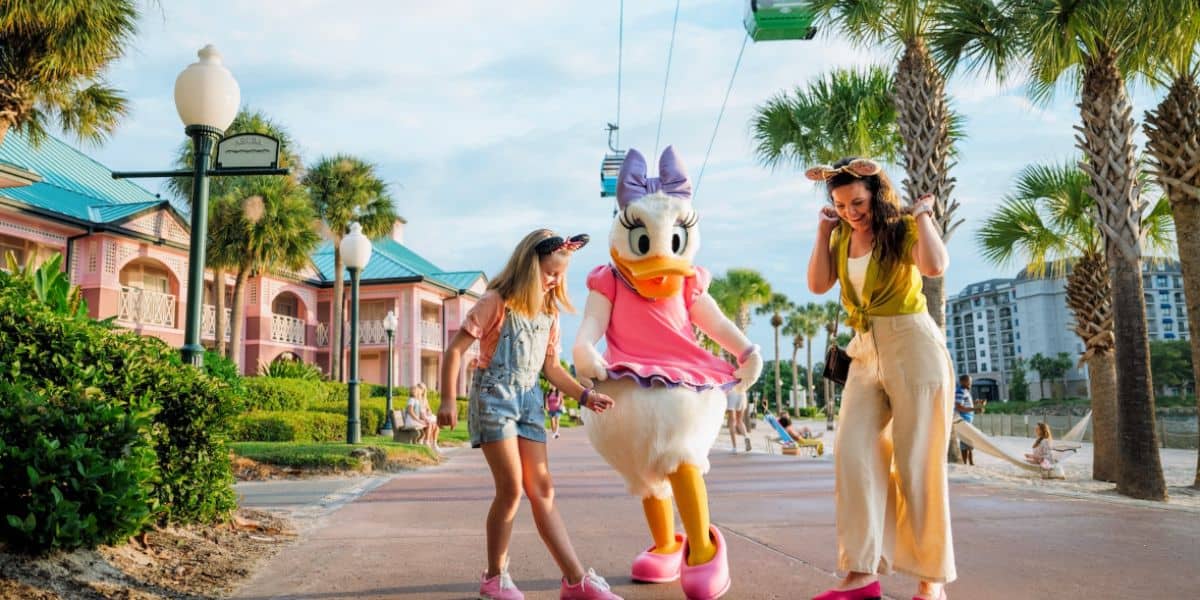
Disney’s Experiences arm—the division responsible for theme parks, cruises, and high-end travel—is currently in the middle of a historic boom. But as a recent Business Insider analysis reveals, this record-shattering revenue isn't coming from a surge in middle-class families. It’s coming from a ruthless, calculated pivot to the “high-yield guest.”
The Death of the “Volume” Game
For decades, Disney’s success was measured by turnstile clicks. The more people in the park, the better the quarter. But in 2026, that metric has been retired in favor of per capita spending.
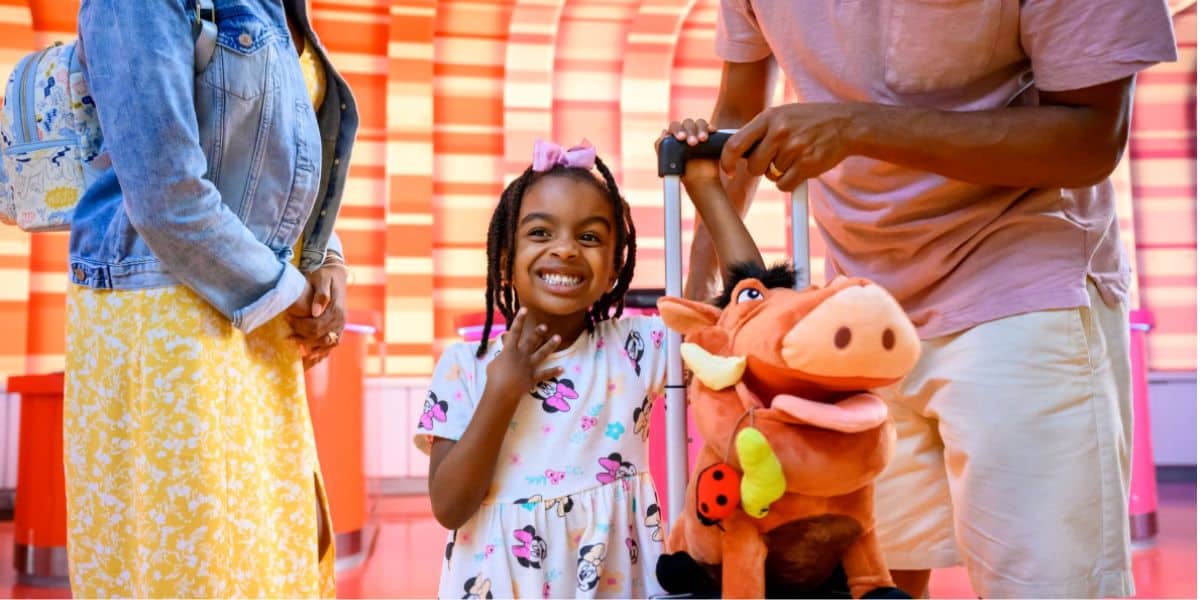
Disney has realized that a crowded park full of families on a budget is less profitable than a half-full park populated by the top 10% of earners. By aggressively raising ticket prices—which now regularly top $180 for a single day at Magic Kingdom—Disney has effectively “throttled” the crowd. The result?
- Lower Attendance, Higher Profit: Even with domestic attendance only up 1%, revenue is up nearly 7% because the guests who do show up are spending more than ever.
- The $1,000-a-Day Reality: Between Lightning Lane Premier passes (now a standard $40+ add-on), signature dining, and the $15 “themed” cocktails, the cost of a single day for a family of four is now $1,000.
The “Safe Harbor” Effect: Escaping the News Cycle
Why are the wealthy flocking to Disney while the world economy struggles? It’s a phenomenon psychologists call the “Safe Harbor” effect.
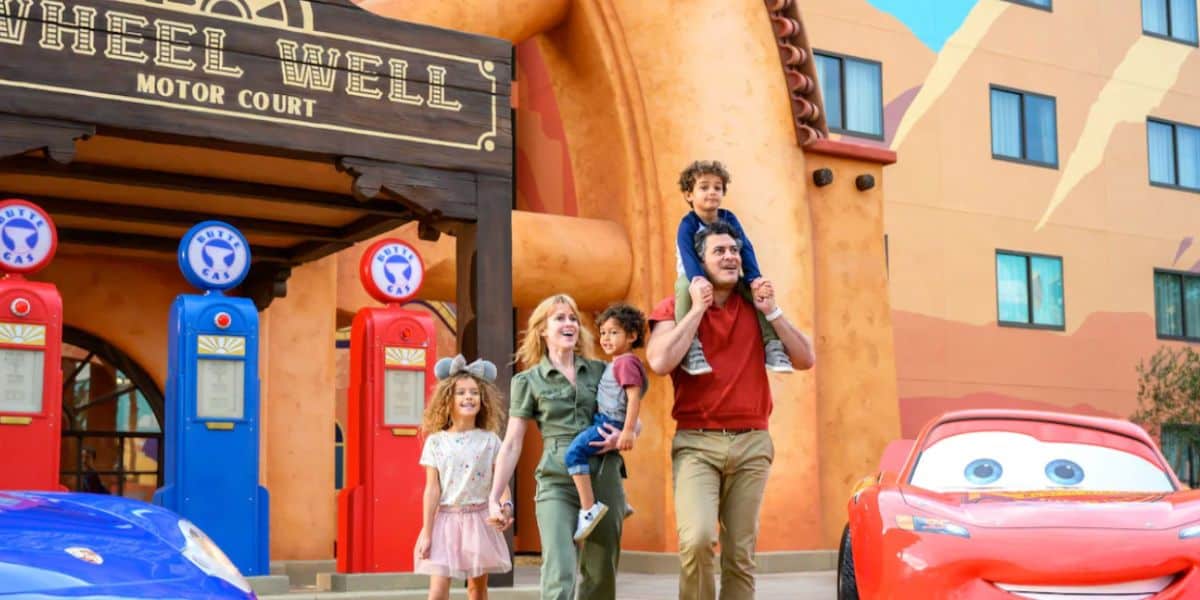
With the ongoing Iran conflict casting a shadow over international travel and global security, luxury travelers are looking for controlled, “branded” safety. Disney provides an ultra-manicured bubble where the world’s problems don’t exist. In 2026, “Magic” isn't just entertainment; it’s a high-priced psychological refuge.
While the Middle East energy shock makes the price of a standard road trip prohibitive for many, the high-yield guest—largely shielded by asset wealth—sees a Disney VIP Tour (starting at $900 an hour) as a small price to pay for a world where the only “First Order” is the one you find in Galaxy’s Edge.
The International Rebound: Disney Adventure World
It isn’t just Orlando and Anaheim seeing the surge. Disney’s international portfolio has become a massive engine for growth this year. The standout star is Disneyland Paris, which officially rebranded its second gate to Disney Adventure World on March 29, 2026.

The rebranding coincided with the opening of the World of Frozen, transforming the park into a five-star destination. By moving away from the “movie studio” aesthetic and toward immersive luxury, Disney has tapped into a European elite who are opting for high-end “staycations” rather than navigating the volatile international flight paths of 2026.
The Cruise Line: A Floating Gold Mine
Perhaps the most recession-proof asset in Mickey’s pocket is the Disney Cruise Line. With Disney Treasure and Disney Destiny now fully operational, Disney has locked guests into a 24/7 spending ecosystem.
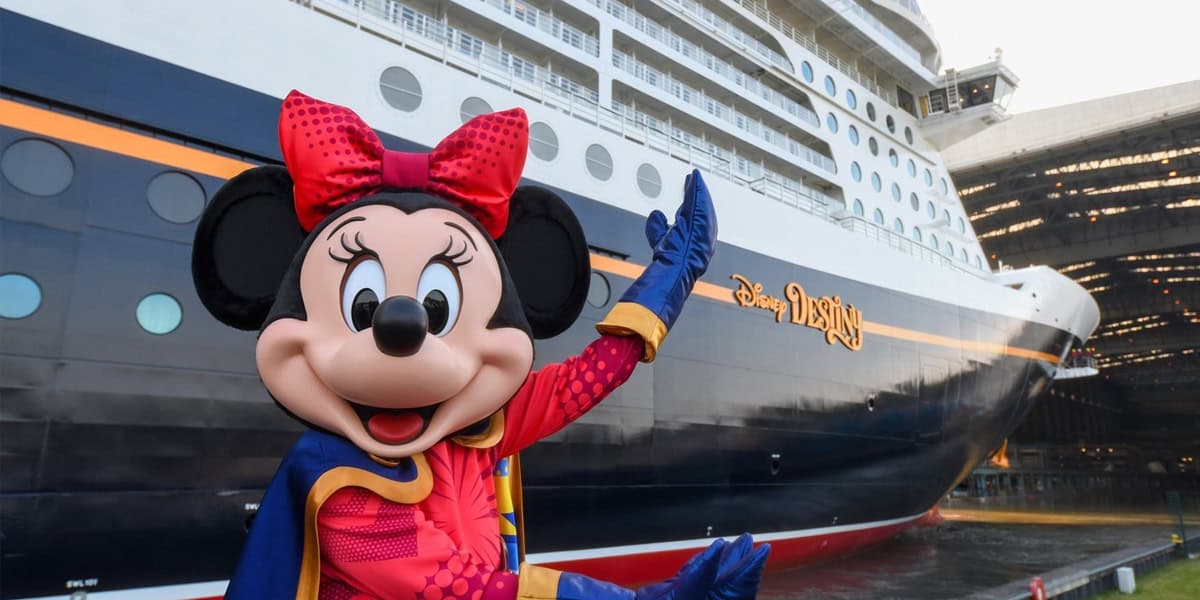
On a cruise, every meal, excursion, and souvenir is a Disney-owned transaction. With bookings for the remainder of 2026 pacing well ahead of 2025, the cruise line is proving that once you get a high-yield guest into the “Disney Bubble,” the world’s economic struggles disappear beneath the horizon.
Conclusion: Is the “Average Fan” a Ghost of the Past?
The data from Business Insider is clear: Disney’s Experiences arm is the primary reason for the company’s current stock stability. But this success comes at a cultural cost.

As Disney pivots to luxury, the “people's park” is becoming an exclusive status symbol. The middle-class family that used to visit every two years is now visiting once every ten—or not at all. While shareholders cheer record-high margins, the park's soul is shifting. In 2026, the “Happiest Place on Earth” is still very much open for business—provided you have the high-yield bank account to prove it.