Tokyo DisneySea opened on September 4, 2001, and Aquatopia was there from the very first day. It has been spinning guests through the waters of Port Discovery every single day of the park's 24-year existence, through two pandemics' worth of closures, and through more seasonal iterations than most rides at any Disney park anywhere in the world ever see. It would have turned 25 this September. Disney just confirmed it will close permanently on September 14, ten days after that anniversary, and that timing is the kind of detail that lands differently than a standard closure announcement.
The Disney Ride Itself
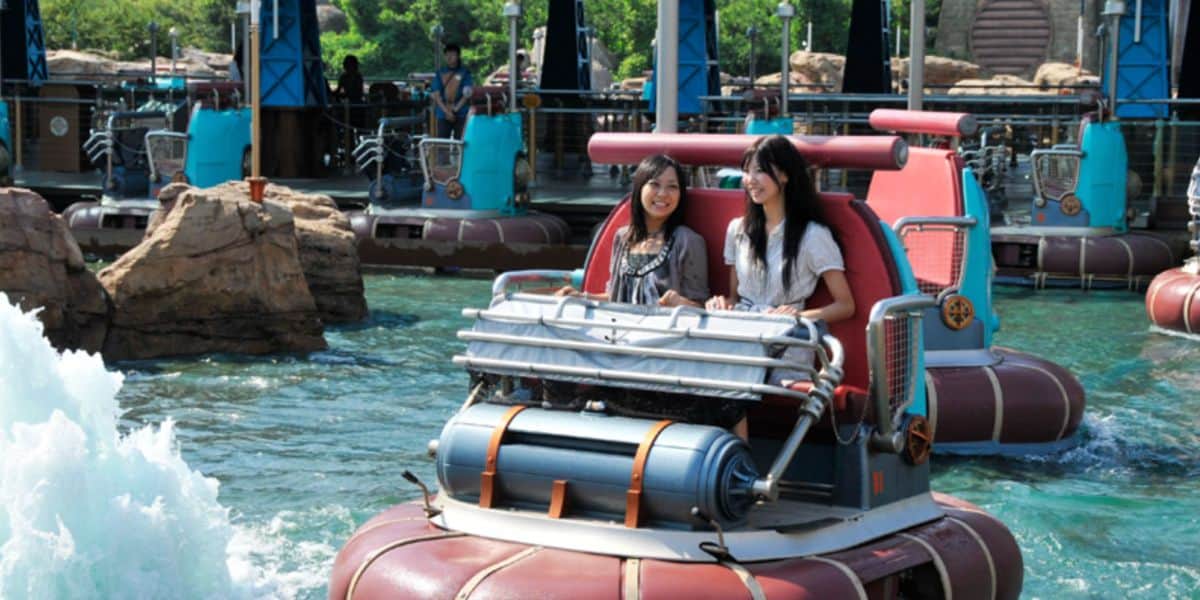
Aquatopia sits in Port Discovery, the futuristic marina section of Tokyo DisneySea, which imagines a future where science and nature coexist. The attraction puts guests in small hydro-glider vehicles that move across a shallow outdoor pool in a trackless, unpredictable pattern. The vehicles spin and twirl through fountains, rock formations, and whirlpools while water effects fire around them, in a sequence that changes with every ride. The trackless system means you genuinely do not know where your vehicle is going next or exactly how wet you are about to get, which gave the attraction a quality that brought guests back to it repeatedly rather than treating it as a one-and-done experience.
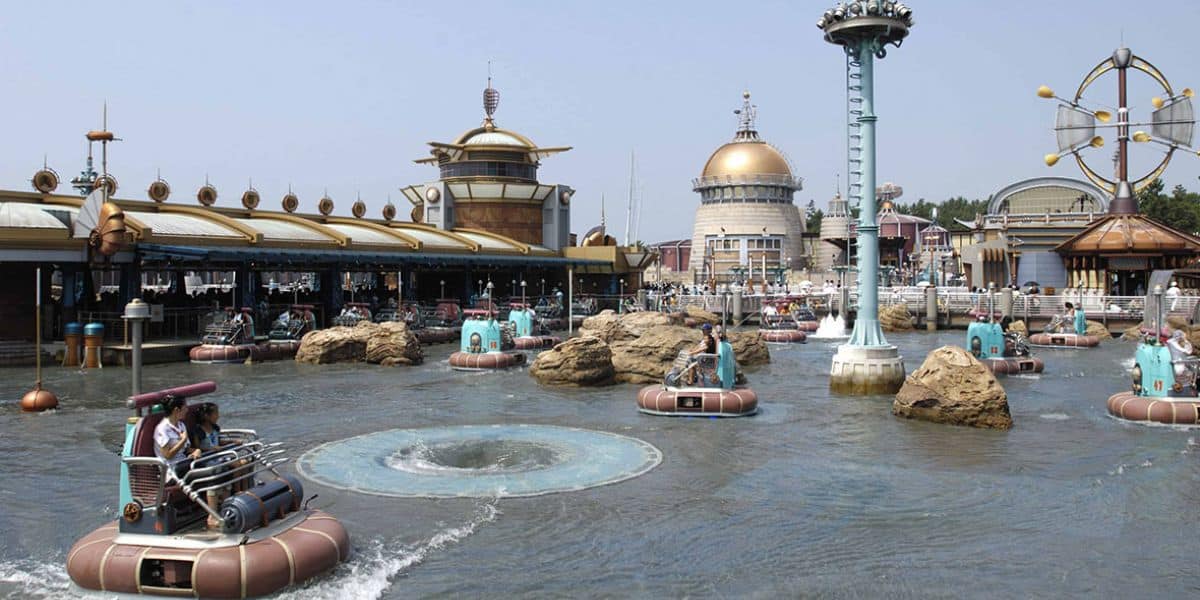
The seasonal Get Soaked version turned the water effects all the way up, becoming a summer fixture for anyone visiting the park between July and September. Tokyo Disney Resort confirmed that Get Soaked will run one final time starting July 2 and continuing through September 14, the day the attraction closes permanently. That window is the goodbye Disney is giving fans, and it is a more generous one than some closures receive.
Why It Is Happening
The Oriental Land Company outlined a long-term development vision for Tokyo DisneySea as part of its 2035 strategic plan, and the concept art attached to those plans showed a reimagined Port Discovery that does not include Aquatopia. The same concept art showed the removal and complete redesign of the Cape Cod section from the neighboring American Waterfront land, signaling that the planned changes for this part of the park are truly large-scale. OLC has described its theme parks as a growth business and framed its long-term strategy around dynamic restructuring, including possible area-wide redesigns.
Aquatopia is not closing because something is wrong with it. It is closing because the space it occupies is needed for whatever Port Discovery becomes under the 2035 plan, and the existing attraction does not fit into the redesigned layout. That distinction matters because it means the ride is being removed at the height of its operation rather than being quietly retired after years of decline. It is being taken out to make room for something new, which is a different kind of loss.
What the Disney Opening Day Status Means
There are attractions added to parks years after opening, and then there are opening day attractions, the rides that were present when the gates first swung open and that have been part of the park's identity from the very beginning. Aquatopia is the latter. It opened with Tokyo DisneySea on September 4, 2001, and it has been there every day since. Losing an opening day attraction changes the park in a way that adding a new one never quite compensates for, because what disappears is not just the ride itself but a piece of the original version of the place.
The 25th anniversary would have been a milestone worth celebrating. A quarter century for an opening day attraction at one of the most acclaimed theme parks in the world is not a small thing. Instead, the ride closes on September 14, ten days after that anniversary date would have arrived, ending its run just short of something that felt meaningful and earned.
Guests who want to say goodbye have until September 14 to do it, and the final summer of Get Soaked starts July 2. After that, the version of Port Discovery that has existed since the park opened is gone, and whatever comes next will be built on the space where Aquatopia used to be.