
Bipartisan Backlash Against Disney
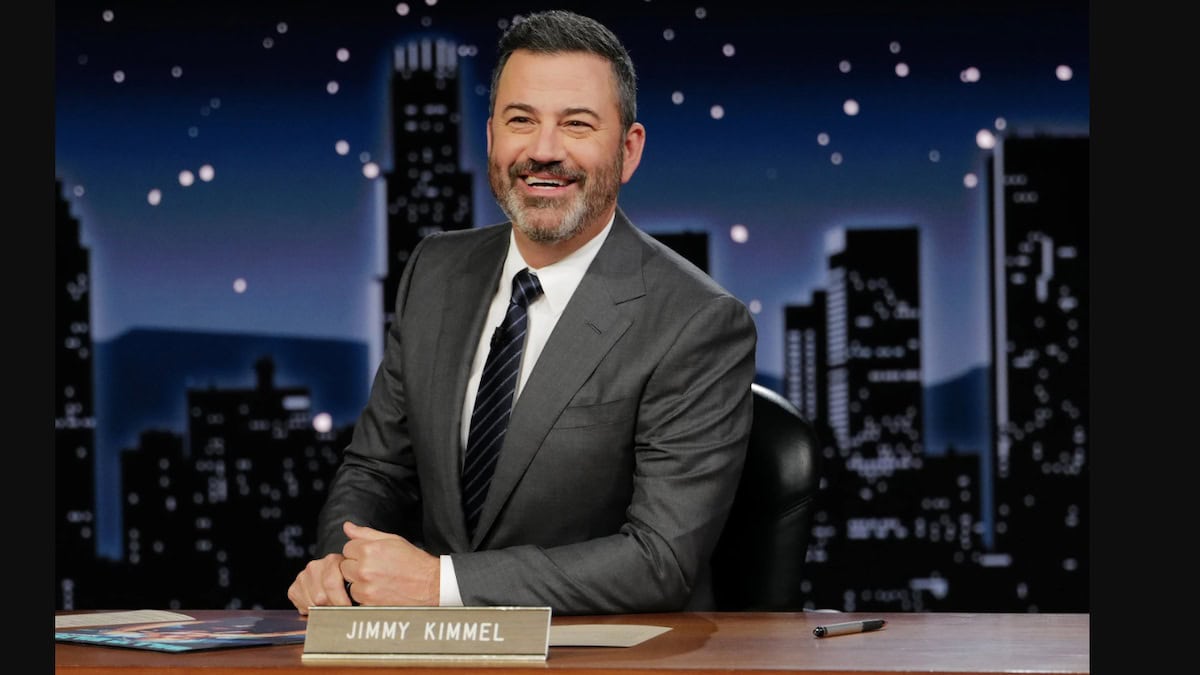
Disney's favorability ratings have recently plummeted, a decline that has drawn ire from Democrats and Republicans. A study by the investment bank Jefferies highlights this significant dip, noting that Disney's positive perception among Democrats has fallen to levels not seen in two years, while Republicans have registered their lowest sentiment since March. This stark decline followed the contentious handling of Jimmy Kimmel's situation, which ignited criticism from both political factions.
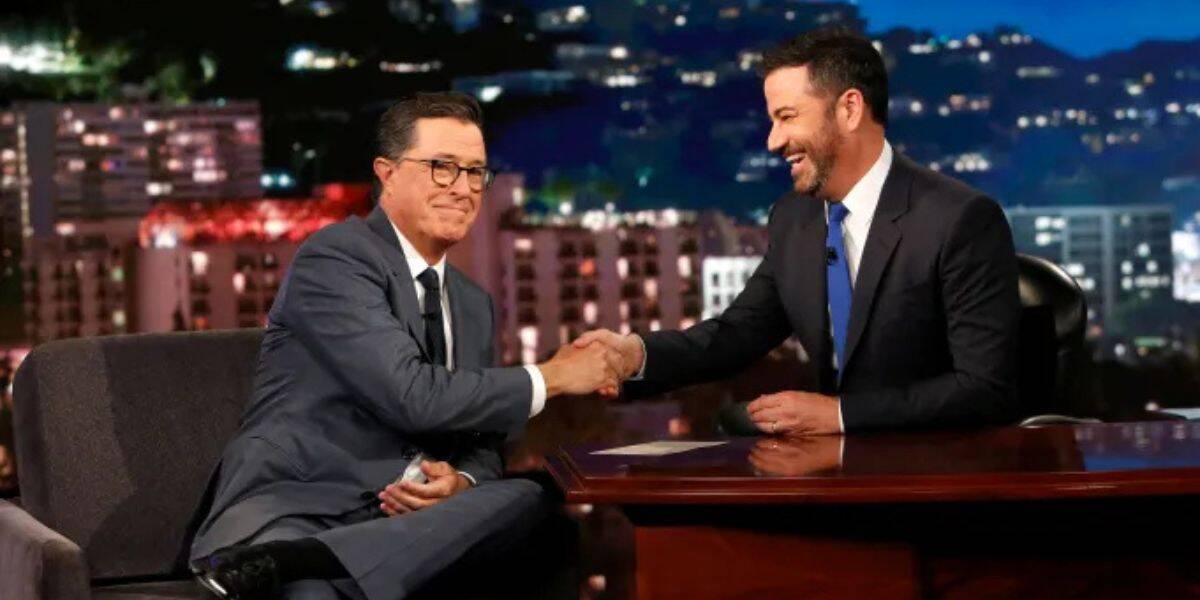
The Democratic Party views Kimmel's removal from his own show as a blatant act of censorship and an infringement on free speech. They argue that Disney's decision undermined artistic expression and set a troubling precedent for media companies, raising concerns about political influence in programming.
Conversely, Republicans assert that Kimmel's brief return after suspension was an affront to the conservative commentator Charlie Kirk, whom Kimmel had made remarks about before the suspension. This rapid escalation of criticism from both sides exemplifies a rare moment of unity in disdain against Disney.
Timeline of the Kimmel Controversy
The Kimmel controversy ignited when Brendan Carr, the Federal Communications Commission (FCC) chairman, publicly criticized Kimmel's remarks about Charlie Kirk on a popular podcast. Carr's comments included a veiled threat to broadcasters, urging them to “stop airing Kimmel’s show.” Following this, Nexstar, the largest station group owner in the United States, pulled Kimmel's program from its ABC-affiliated networks, further placing pressure on Disney to act.
In response to the intensifying backlash, Disney executives convened to assess the situation. Despite an internal consensus that Kimmel had not behaved inappropriately, the company ultimately opted to suspend him, aligning with the demands from Nexstar and Sinclair Broadcasting. Sinclair's insistence on Kimmel's public apology and a donation to Kirk’s family presented additional challenges for Disney as they navigated the PR fallout.
After only a week of protests and discontent from viewers, Disney reinstated Kimmel’s show.
However, he remained absent from Nexstar and Sinclair affiliates, reflecting the company's struggle to balance political pressures with audience expectations. Ultimately, Kimmel fully returned to the airwaves without any concessions from Disney or additional conditions imposed by the broadcasters.
Fallout from the Incident
The repercussions of the Kimmel incident have been significant, resulting in a severe decline in Disney's public approval ratings. Surveys indicate a considerable gap in satisfaction among viewers from both major political parties. The Kimmel controversy has led to fans and critics' protests, expressing disappointment in how Disney managed the situation. Many audience members fear that the company has been unduly influenced by political factors, which have jeopardized the integrity of its programming.
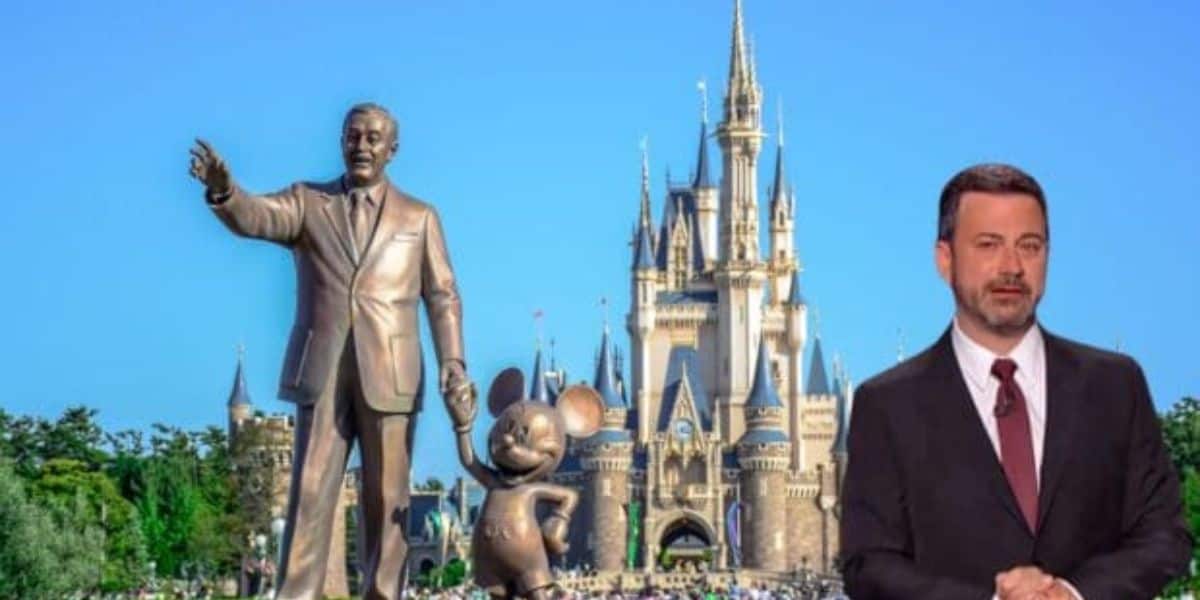
The situation has raised ongoing concerns about how external political pressures might dictate content decisions within the entertainment industry. Disney, a company traditionally known for its family-friendly programming and overarching brand loyalty, now faces skepticism from viewers on either end of the political spectrum. As dissatisfaction grows, there is evidence that subscriptions to its streaming services and cancellation rates for its shows are on the rise.
Moving Forward for Disney
In the wake of the Kimmel debacle, Disney has a challenging road ahead. The company must find a way to rebuild trust among its audience in a polarized political climate. Analysts suggest that Disney must navigate future programming decisions with increased sensitivity to political sentiments to regain favor among Democrats and Republicans.

Moving forward, strategies will likely include a renewed commitment to maintaining creative integrity while ensuring that content does not fall prey to political divides. The challenge remains to produce engaging, entertaining content that appeals to a diverse audience without alienating viewers on either side of the aisle. The Kimmel incident is a stark reminder that even lighthearted entertainment is not immune to scrutiny influenced by partisan politics in an era of heightened scrutiny.
As Disney adapts to the changing landscape, its ability to engage both sides of the political spectrum will be critical. The coming months will tell how the company evolves in response to internal pressures and public opinion. The path forward may hinge on Disney’s capacity to cultivate an environment where creativity thrives free from the constraints of political influence, appealing to a broad audience that includes both Democrats and Republicans.