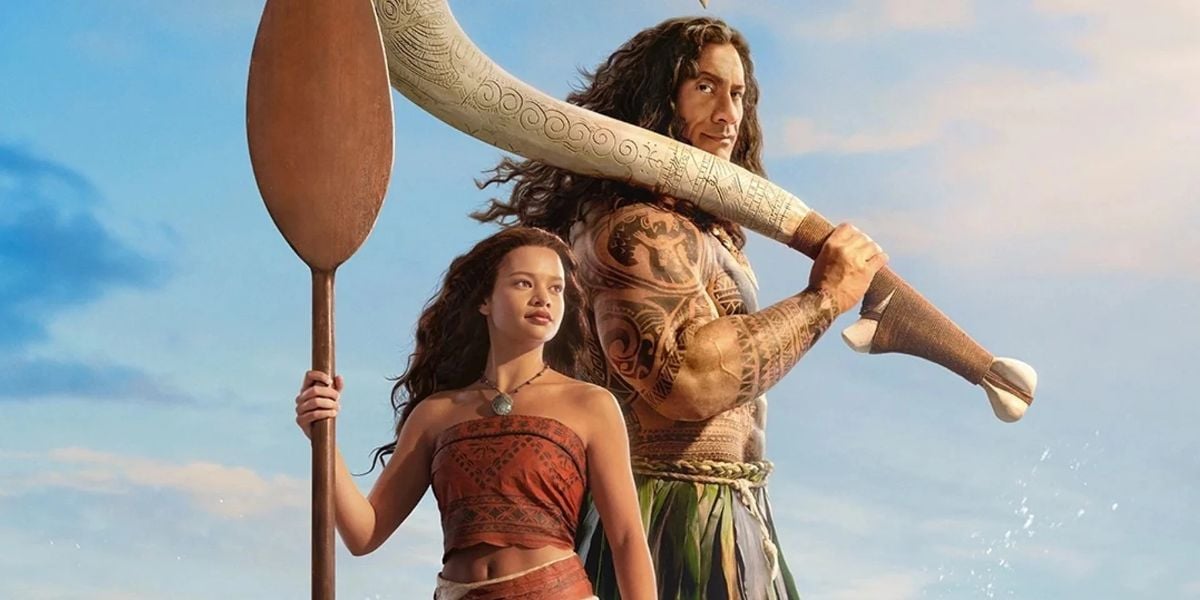
Live-action Moana was projected to open at $85 million. It opened at $18 million.
Disney has now explained what happened, and the explanation is one factor out of three.
Some context.
Dana Walden, Disney's President and Chief Creative Officer, addressed it at Bloomberg's Screentime this week, along with Jimmy Kimmel's future and the layoffs.

Her take on Moana:
“It's so competitive right now that you have to have the right film at the right time, with audiences feeling a certain degree of demand. I would say our live-action Moana, which is excellent, I think it was hurt by the proximity to our second animated version of Moana, which came together under unusual circumstances, but premiered about 18 months before this one. So perhaps there was not enough time to create a lot of pent-up demand for another film.”
Fine. Moana 2 came out November 2024. Live-action followed July 2026. Eighteen months. Audiences were Moana'd out.
But that film may lose over $100 million and missed its own studio's projection by 79 percent.
Timing does not do that.
Here Is What She Left Out
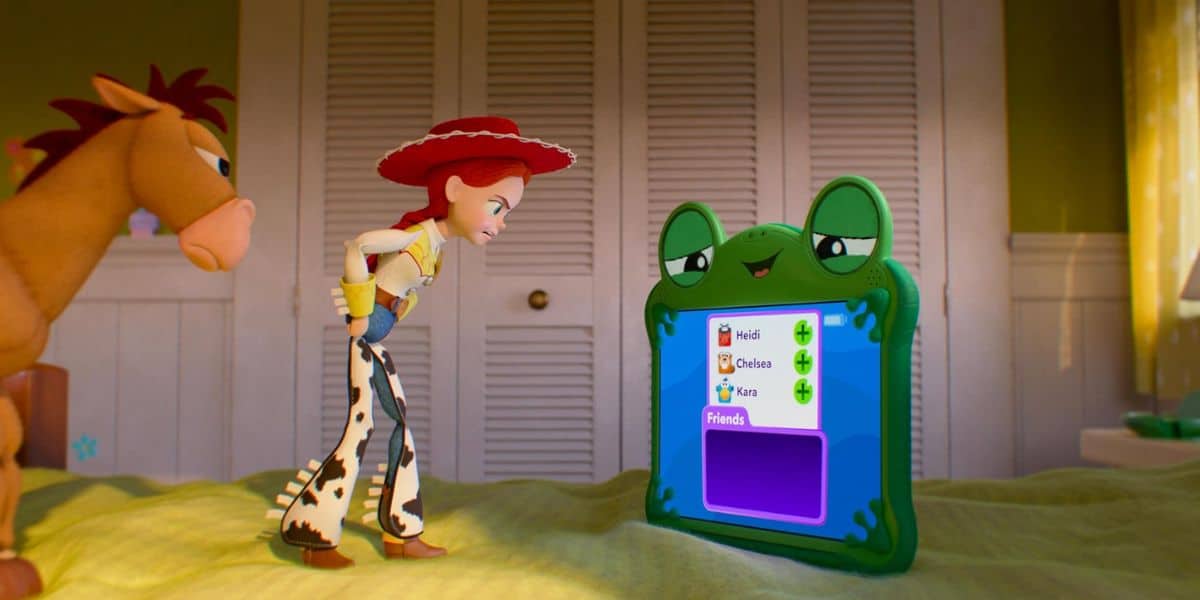
Same window. Crossed a billion dollars globally. One of Disney's biggest releases of the year.
So Disney had a billion-dollar animated family movie in theaters eating the exact same audience, at the exact same time.
Walden named the animated Disney movie from eighteen months earlier. She did not name the animated Disney movie from that month pulling a billion.
She also skipped the reviews, which were not good. A movie opening at a fifth of projection is almost always a word-of-mouth problem, not a calendar problem.
And It Raises an Awkward Question
If eighteen months was too soon, how long is long enough?
Every single Disney live-action remake is, by design, close to a beloved animated original. That is the entire business model.
Disney has more of them coming. No stated answer on the gap.
On Kimmel, There Is No Answer Yet
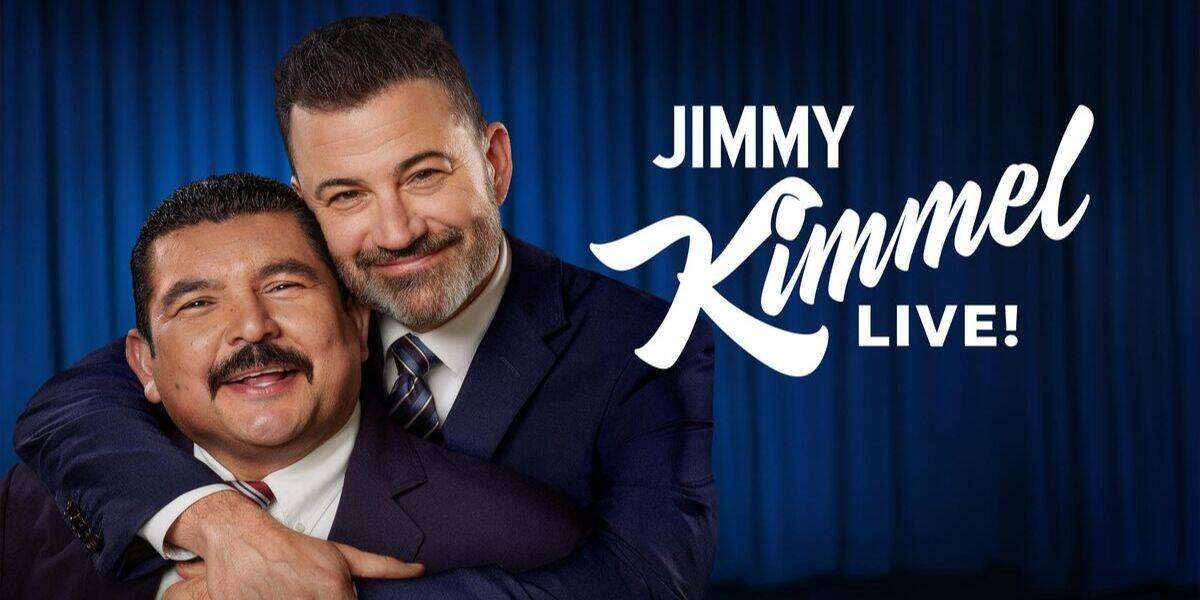
Asked flat out whether Jimmy Kimmel returns to ABC next year, Walden said she is working on it.
“It's a very challenging daypart, late-night,” she said. “That's not to say that Jimmy is not doing a phenomenal job, and his ratings are up, but they're up relative to a smaller audience that's watching late night on broadcast television.”
Millions watch him on YouTube, she noted, which may not be the most lucrative setup. Then three questions: “What does Jimmy want? What's the right thing to do, and what's the right thing for our business?”
All business. Entirely about dayparts and monetization.
Not mentioned once: the September 2025 suspension over a comment about the killing of Charlie Kirk. The return within a week. Nexstar and Sinclair dropping preemptions. Investors demanding records. The deal extension through 2027.
Also not mentioned: the FCC announcing in April it would review Disney's ABC licenses two years early. The commission pointed to its DEI investigation, but that order landed one day after President Trump called for Kimmel's firing over a Melania Trump joke. Former FCC officials later called the early review “an assault on free speech.”
Talking about dayparts against all of that is a choice.
And “I'm working on it” is not a renewal.
Now the Layoff Line Worth Reading Twice
Walden on the cuts, the latest hitting a few hundred people mostly in tech and HR:
“This past round was a voluntary retirement program, which was extremely generous and gave a number of our long-tenured executives agency and the opportunity to make their own decisions around whether the timing was right to leave or to stay.”
Except those are two different things.
The voluntary retirement offers were reported in August, for director-level and above. Real, elective, accurately described.
The late-September round was reported as a few hundred cuts in tech and HR. Nothing called that voluntary.
Describing the latest round as a voluntary retirement program smooshes two separate events together and makes involuntary cuts sound like people's own idea. Could easily be imprecision in a live interview.
It matters enormously if you were in it.
The Full Year
April. About 1,000 cut, right after Josh D'Amaro succeeded Bob Iger as CEO.
July. Hundreds across Pixar, ESPN, National Geographic.
August. Voluntary retirement offers.
September. Tech and HR.
Walden's reasoning, stated plainly: “This evolution will never stop, technology set their sights on our business, and we must survive and thrive and grow.”
Read that as a forecast.
Source: Dana Walden's remarks at Bloomberg's Screentime, as reported by Variety.