If you've visited Walt Disney World recently, you already know that navigating the parks requires handing over a massive amount of personal data to the My Disney Experience app. But a recent viral tweet from theme park insider @CoasterK24 has ignited a fierce debate over just how far Disney is willing to go with that data. It appears the Mouse House is actively using smartphone geotracking to enforce a digital velvet rope around its resort hotels, systematically locking out day guests and offsite visitors.

For decades, “resort hopping”—visiting deluxe hotels like the Polynesian or Grand Floridian to soak in the atmosphere and grab a bite—was a beloved, low-stress tradition. Now, Disney appears to be using the GPS in your pocket to put an end to it.
Inside the Geofenced Mobile Order Lockout
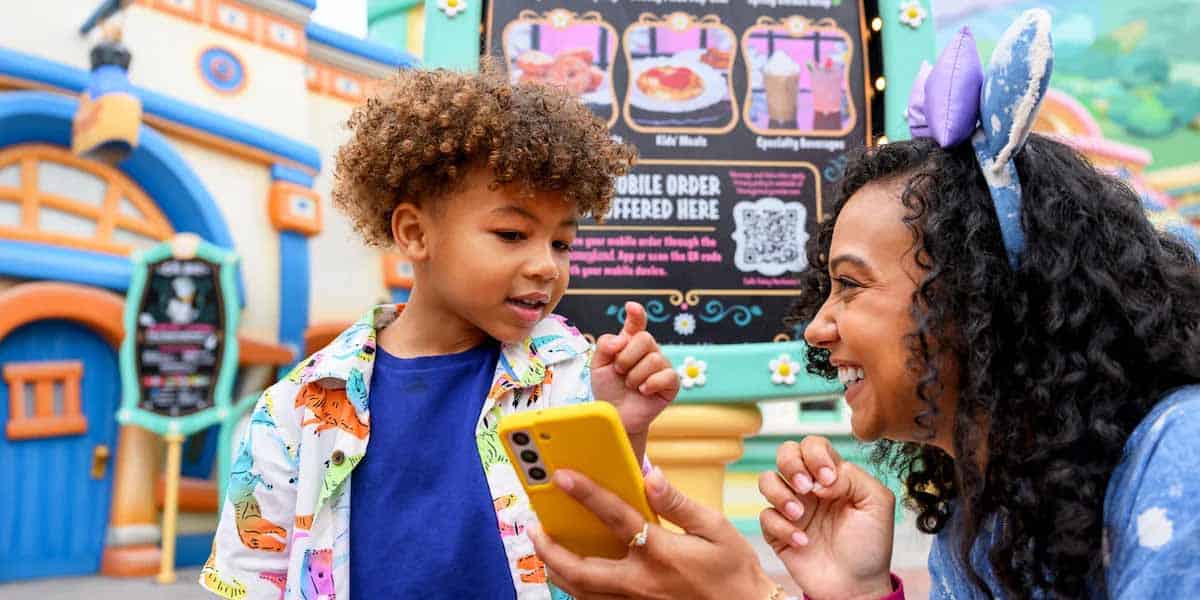
According to the buzz generated by @CoasterK24’s post, users have noticed a subtle but highly restrictive change when attempting to place a Mobile Order at resort quick-service restaurants. The app now relies heavily on real-time location services and background geotracking to determine a guest's exact proximity to a resort before a transaction can even be finalized.
If the app detects that you are miles away—say, sitting in an offsite hotel room or walking around a theme park planning your afternoon—it may restrict your access or block the resort menu entirely.
Historically, offsite users utilized a clever workaround: they would place a mobile order for a resort location, drive up to the security kiosk, show the confirmation screen, and be granted free parking. By implementing aggressive geofencing, Disney is effectively closing this loophole. If you aren't already on or immediately adjacent to the resort property, the app won't let you buy the food needed to get past the gate. It is a brilliant, if frustrating, use of tech-driven gatekeeping designed to keep day-guests out of premium resort spaces.
Starting Tomorrow: The Disney Springs Bus Ban
This apparent geotracking restriction doesn't exist in a vacuum. It aligns perfectly with a massive, physical transportation overhaul taking effect tomorrow, June 28, 2026, at Disney Springs.
Starting tomorrow, guests attempting to board a Disney bus or watercraft from Disney Springs to any resort hotel must provide digital proof of a reservation. Cast Members equipped with tablets will scan MagicBands or mobile apps right at the docks and bus bays. To secure a ride, you must have:
- A valid Disney Resort hotel stay.
- An Advance Dining Reservation (ADR) for a table-service meal.
- A booked Enchanting Extras experience.

Crucially, Mobile Orders and Table Service To-Go orders will not grant you transportation access. Disney has drawn a hard line in the sand. If you park at Disney Springs hoping to catch a free boat ride to Port Orleans for beignets, your phone's mobile order screen will no longer serve as a ticket. This change permanently kills the legendary “Disney Springs parking hack,” making it incredibly difficult for offsite guests to visit resorts spontaneously.
The Growing Blueprint of Guest Restriction
These twin crackdowns on mobile ordering and Disney Springs transportation are part of a broader corporate trend to segment the Disney guest experience. Over the past few years, Disney has quietly built physical and digital barriers across the property:

- Monorail Resort Parking Bans: Parking guards at the Contemporary, Polynesian, and Grand Floridian routinely deny entry to rideshares, offsite drivers, and pedestrians unless they have an expensive table-service ADR.
- Skyliner Screening: Security checkpoints near the International Gateway and Skyliner hubs have tightened, ensuring that only specific guests can float seamlessly between premium properties.
- Exclusive Holiday Lockdowns: Recent holiday guidelines strongly imply that iconic resort displays—like the Grand Floridian gingerbread house—are being fiercely guarded for onsite hotel guests, threatening to impose total bans on casual holiday sightseers.
The Cost of Exclusivity
While Disney argues these changes protect the peace and amenities of high-paying hotel guests, the collateral damage falls squarely on locals, Annual Passholders, and budget-conscious families. By turning the My Disney Experience app into a geotracked compliance tool, Disney is making it clear that spontaneity is a luxury reserved only for those staying within the resort bubble.
If you aren’t paying premium hotel rates, the digital fence is officially keeping you out.