

The transportation network at Walt Disney World is experiencing a bizarre, unexpected phenomenon. Following the implementation of strict new boarding policies at Disney Springs this summer, the days of non-resort guests using the shopping district as a free transit hub are officially over.
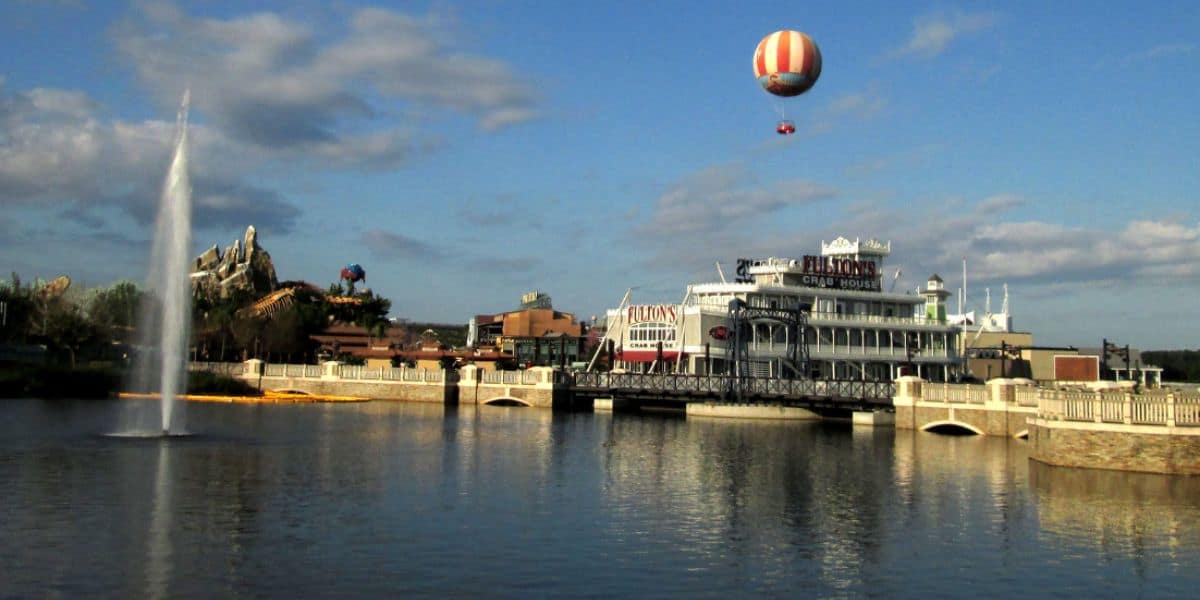
Designed to curb the unauthorized use of complimentary resort transit, the new ban severely restricts who can hop on outbound buses and watercraft. While the policy has successfully cleared out the crowds who used Disney Springs as a free parking loophole, it has created a startling side effect: empty buses and boats. Now, fans are wondering if the ban is actually working too well, potentially paving the way for reduced routes, a smaller active fleet, and longer wait times for the legitimate resort guests the policy was supposed to protect.
Locking Down Disney Springs
To understand the current “ghost town” vibe at the bus loops, we must look back at the major policy shift enacted earlier this season. Walt Disney World officially updated its on-the-ground operations in late June 2026 to formalize permanent restrictions on outbound transportation.

Guests wishing to board a bus heading directly to a Disney Resort hotel or those looking to take the Sassagoula River Cruise ferry must definitely prove their eligibility. Acceptable proof includes presenting a valid Disney hotel room key or a confirmed, same-day dining reservation at the specific destination resort.
To enforce this, Cast Members now staff dedicated checkpoints at the entrances to the bus depots and boat docks. By shutting down this unofficial park-and-ride method, Disney aimed to regulate crowd flow and preserve transit capacity for high-spending, on-property consumers.
The Empty Bus Syndrome
Fast forward to today, and the once-bustling Disney Springs transit hubs are looking remarkably quiet. Recent on-the-ground observations and photo updates shared across social media reveal a startling drop in overall ridership.
According to real-time reports, buses are frequently seen departing the Disney Springs depot with only a handful of passengers. In highly documented instances, buses are pulling away empty. The Sassagoula River Cruise boats, which used to boast massive lines, are now gliding across Lake Buena Vista with rows of empty wooden benches.
By strictly enforcing the reservation mandates, Disney has effectively eradicated the massive crowds of locals and offsite vacationers who historically relied on the system. However, filtering out such a large share of everyday riders has inadvertently exposed a glaring truth: the transportation system now appears wildly overbuilt relative to current demand.
Are Route Cuts Inevitable?
The sudden decrease in passenger volume raises a major logistical question: Will Walt Disney World continue to operate the same number of buses and boats if there is barely anyone left to ride them?
Theme park commentators are already predicting that this drastic drop in demand will inevitably lead to operational cuts. Running a massive fleet of commercial vehicles is incredibly expensive. If a bus designed to hold sixty passengers is consistently operating at ten percent capacity, it makes logistical sense for Disney to scale back the frequency of those routes.
Instead of sending a bus to a resort every ten to fifteen minutes, dispatch might throttle that frequency back to every thirty minutes to ensure the vehicle is actually full before it departs.
Unintended Consequences for Legitimate Guests
If route cuts do happen, the very guests Disney sought to protect might be the ones who ultimately suffer.

Consider a legitimate resort guest paying top dollar to stay at a Disney hotel. After spending the evening shopping, they head to the bus loop expecting efficient transportation back to their room. If Disney cuts the number of active buses in half, that paying guest might now have to wait 30 to 40 minutes for a bus instead of the standard 15.
For now, guests with valid hotel reservations can enjoy the serene experience of a private, uncrowded Disney bus. However, they should be prepared for the possibility that the overwhelming success of the new transit ban might ultimately force Disney to shrink the very service they fought to protect.


Not sure I understand why Disney just didn’t start charging for parking for Disney Springs. They will be harming themselves in that people will not move around and explore (and spend money) going to places they may not have planned to. Also, people who park at Disney Springs probably spend some time there, again spending money, who will now choose other options. I think they should have thought this one through. We have stayed in the Disney Springs area hotels and utilized the boats & buses to explore Disney properties. We typically don’t have a car and that would be a issue to drive, pay to park and do what was always available. People can make their views known by not going to their properties. Money talks. Spend it elsewhere.
It would appear that many of the people riding the bus from Disney Springs were doing it to avoid the outlandish cost of paying to park at WDW. The price of tickets has gotten completely out of hand and many people find it impossible to enjoy a WDW vacation now. I’m sure that Walt is rolling over in his grave at the way the cost has risen. My son and his family were just there for three days and it cost them well over $4000 for a family of four.
I left a reply. Prices are out of hand. We were at Disney Springs last March and May and I could not believe the prices in the World of Disney store. When you have to pay almost $200 for one day at Magic Kingdom I can understand why people would opt to park at Disney Springs and ride a bus to the park rather than pay the ridiculous price to park there. When we were there in March which is basically a Spring Break time the park was relatively empty. I think they need to seriously reconsider the cost to get into the parks. Walt built a place for families to enjoy and that can’t happen if you have the burden of borrowing to go.