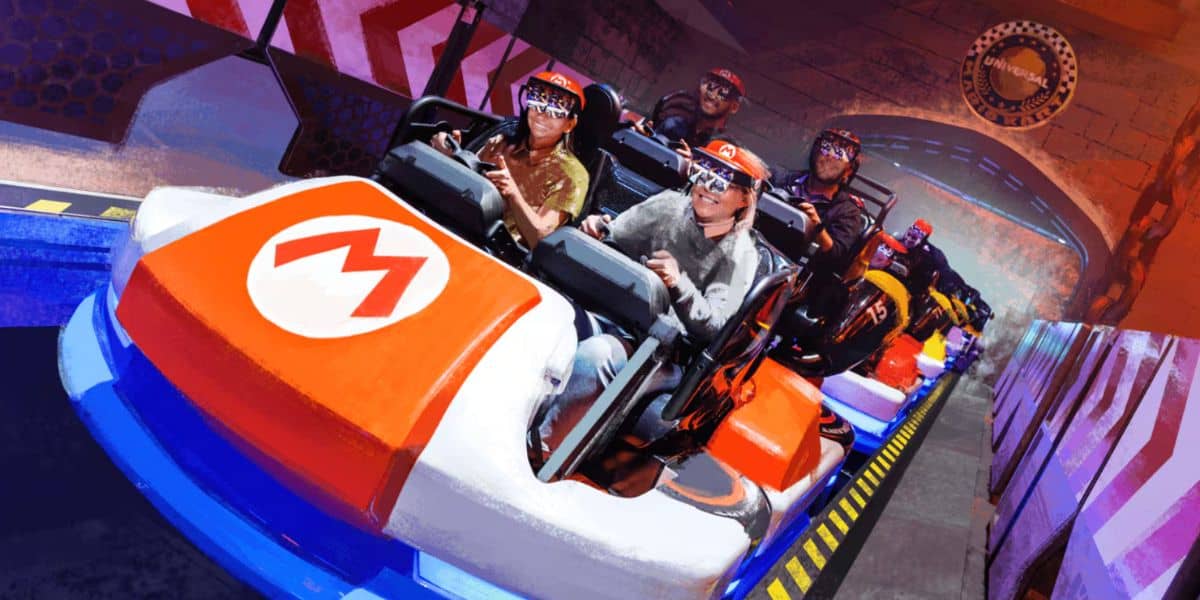
Epic Universe didn’t just meet expectations—it reset them. Guests consistently walk away impressed by the park’s size, polish, and sense of purpose. Everything feels intentional, from the layout to the pacing. For the first time, Universal has a third gate that feels like a true centerpiece rather than an extension.
But that success didn’t arrive without complications. As the excitement settles, it’s clear that Epic Universe has changed how the entire resort operates. Travel patterns shifted. Crowd dynamics evolved. And the pressure on Universal Orlando grew in ways that extend far beyond one park.
A Park Designed to Hold Attention
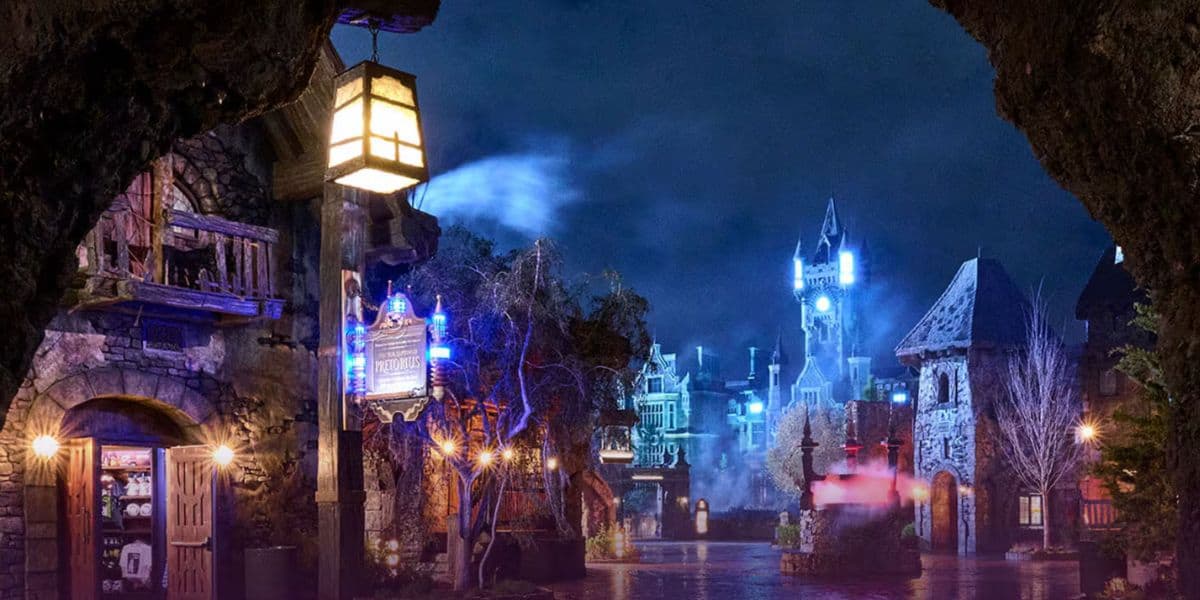
Epic Universe makes a strong impression because it doesn’t feel fragmented. Universal built lands that function as complete environments, not just themed backdrops for rides.
Guests aren’t moving quickly through the park. They stay, explore, and spend time in each land instead of rushing toward a single attraction. That approach makes Epic Universe feel different from the moment visitors arrive.
It also explains why the park doesn’t rely on nostalgia or familiar formulas. Epic Universe feels current, confident, and thoughtfully designed, offering an experience that aligns with how modern guests want to enjoy a theme park.
How Epic Universe Changed the Way Guests Plan Trips
Because Epic Universe offers so much depth, guests now structure their vacations around it. Entire days revolve around this one park. Some visitors skip Universal Studios Florida and Islands of Adventure altogether.
While that reflects how compelling Epic Universe is, it also concentrates guest demand in a way Universal hasn’t had to manage before. One park now carries the bulk of attention, which creates new operational challenges across the resort.
From New Park to Global Destination
Epic Universe didn’t take long to become an international draw. Visitors from around the world are traveling specifically to see it, often treating it as the primary reason for their trip.
International guests bring longer stays and larger groups, but they also bring different expectations. They want to experience everything and tend to stick closely to their plans. When crowds peak, or disruptions happen, flexibility becomes harder—and pressure increases.

When Demand Outpaces Expectations
The crowds at Epic Universe didn’t fade after opening. They stayed strong. Weekdays feel busy. Weekends feel packed. Peak seasons feel heavier than anticipated.
Guests are beginning to question whether Universal was built to handle this level of sustained demand. Capacity issues don’t stop at park gates. Transportation, dining, hotels, and ride reliability all feel the impact when one park dominates the flow of guests.
How the Entire Resort Feels the Impact
Epic Universe’s popularity extends beyond its own footprint. Hotels book faster. Transportation feels tighter. Dining reservations become harder to secure. Staffing priorities naturally tilt toward the flagship park.
Guests staying on the property notice these shifts immediately. When Epic Universe commands attention, the rest of the resort has to adapt quickly—and not every adjustment feels smooth.

Crowd Management Becomes the Focus
Universal has historically handled crowds well, but Epic Universe presents a different challenge. This isn’t a temporary surge or a single high-demand attraction. It’s a constant, concentrated demand centered on one park.
Guests feel the effects in longer waits, crowded pathways, and limited availability. Express Passes disappear faster. Days require more planning. This doesn't signal failure—it signals overwhelming success.

Success That Requires the Next Step
Epic Universe elevated Universal’s reputation and expanded its global reach. It proved the company could deliver something ambitious and modern. But success doesn’t stop at opening day.
Supporting Epic Universe while keeping the rest of the resort balanced is Universal’s next challenge. Building the park was the bold move. Managing its impact will define what comes next.