The media landscape is rapidly changing, with ESPN’s transition from traditional cable TV to a streaming-only model poised to significantly impact the industry. Recent years have shown a marked decline in cable TV subscriptions, with cable companies losing approximately six million subscribers per year from 2019 to 2022. The trend accelerated post-pandemic, with losses reaching nearly eight million annually.

This ongoing decline has caused many to question the future of cable TV, particularly as significant networks like ESPN recognize the necessity of pivoting to direct-to-consumer streaming.
ESPN's plan for this transition is expected to materialize by 2025, when the new flagship streaming service will launch, delivering live sports directly to consumers. ESPN's CEO, Jimmy Pitaro, emphasized the significance of live sports in driving revenue, stating that the network aims to provide an enriching experience, combining all its offerings under one platform.
Enhancements in ESPN Streaming Service
The forthcoming ESPN streaming service promises to revolutionize the viewing experience, incorporating interactive features that distinguish it from traditional cable TV. Key enhancements will include multi-screen viewing capabilities, allowing subscribers to engage with multiple games or shows simultaneously.
Furthermore, the service will integrate with ESPN Bet, enriching the product by providing real-time betting options.
Pitaro highlighted plans for personalized content that caters to individual preferences, including advanced statistics, fantasy sports content, and tailored user experiences. These innovations aim to attract a younger, tech-savvy demographic, further solidifying ESPN's position in the digital sports landscape.
The network expects its comprehensive approach to live sports will create a more engaging and interactive platform for viewers.
Financial Model and Pricing Structure
Anticipations surrounding the pricing model for the new ESPN service suggest a subscription cost of around $30 per month. This pricing indicates a strategic motion to provide consumers with a value that potentially outshines the existing ESPN+ offerings, which focus on specific sports rather than a holistic experience.

By offering a competitive price point and enhanced features, ESPN aims to attract a broad audience, including existing cable subscribers disenchanted with the traditional model.
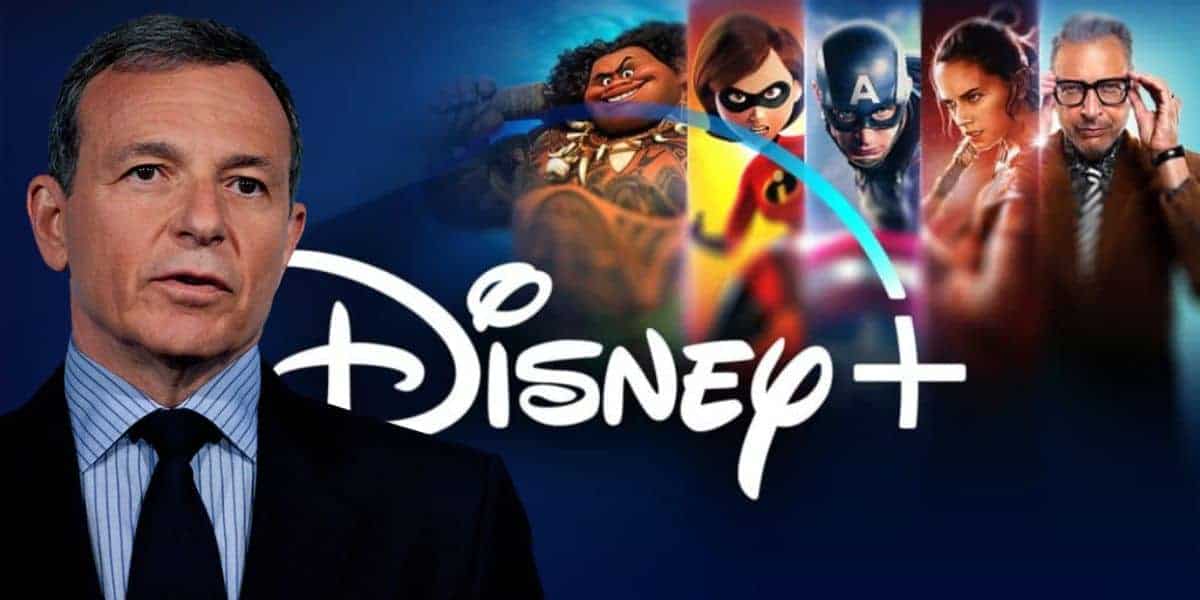
Disney, ESPN's parent company, is invested in this shift as it represents a significant opportunity for long-term revenue generation. The decline of traditional advertising revenue has pressured Disney to explore alternative monetization strategies, making the streaming model a critical component of their financial plan.
Implications for the Future of Cable TV
ESPN's transition to a streaming-only service raises substantial concerns for traditional media networks and channels. If successful, this shift could precipitate a domino effect, leading to the closure of non-sports-related channels that lack the audience appeal generated by live sports. Pitaro recognizes that the movement of live sports to a streaming platform will challenge the viability of existing cable TV infrastructure.

As streaming continues dominating the broadcasting landscape, traditional television will likely face increasing difficulties. ESPN represents one of the last bastions of cable content with a broad following—its transition could signify a turning point, accelerating both the decline of cable TV and the reimagining of how live sports consumption occurs in a streaming era.
The evolution of broadcasting will undoubtedly redefine audience engagement, content delivery, and revenue generation. As ESPN dedicates its resources to meeting modern consumer expectations, its approach will serve as a model for other networks navigating similar transitions.