

For a franchise built on legacy, Star Wars took a notable creative risk when Disney and Lucasfilm introduced the High Republic—an era set roughly 200 years before The Phantom Menace.

The initiative was designed as a contained storytelling project, a beginning-to-end experiment spanning multiple mediums. After five years and an extensive slate of releases, Lucasfilm declared it finished. That declaration didn’t hold for long.
Rather than circling back to the Skywalker saga, Lucasfilm opted to chart unexplored territory. The High Republic era depicted a galaxy in relative harmony, with the Jedi Order operating at full strength—far removed from the political turmoil and betrayal seen in the prequel films.
Divided into three phases, the initiative unfolded across novels, comics, and animation, offering a layered narrative that rewarded fans who followed each installment. The approach proved effective, broadening the scope of Star Wars storytelling. Still, its expansion into live-action would test how well this era could resonate beyond the page.
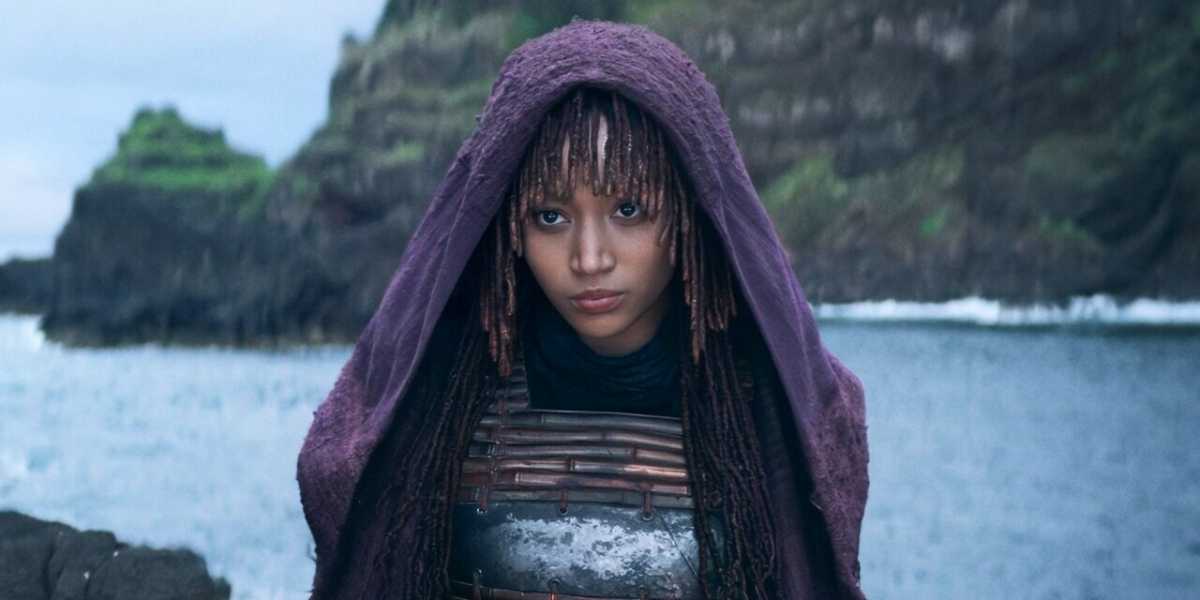
That test arrived with The Acolyte, which premiered on Disney+ in 2024. Created by Leslye Headland, the series explored the High Republic’s later years while teasing the reemergence of the Sith. It quickly became one of the franchise’s most talked-about entries—and one of its most divisive.
Online reaction to the show was immediate and intense. Conversations ranged from lore implications to the show’s themes, with particular focus on its cast—Amandla Stenberg, Lee Jung-jae, Manny Jacinto, and Jodie Turner-Smith—and its creative direction.
Despite carving out a unique identity within the franchise, the series was canceled after one season. Lucasfilm cited viewership concerns, while Alan Bergman later pointed to financial considerations. Yet analytics suggested the show performed competitively, even surpassing several other Disney+ Star Wars series in audience demand.

The cancellation also cut short planned developments. Headland had envisioned a second season centered on Qimir and his ties to Darth Plagueis, who appeared in the Season 1 finale. The storyline was positioned to deepen the franchise’s dark side mythology.
“Following the Rule of Two,” Headland explained, “one way to keep it going is if the Stranger is the first Knight of Ren, part of a Sith-adjacent cult that we know eventually survives.” With the show’s abrupt end, those threads remain unresolved—leaving The Acolyte as a standalone piece of a larger, unfinished narrative.
In contrast, Star Wars: Young Jedi Adventures reached a more traditional conclusion. The animated series wrapped in December 2025 after three seasons, offering a more contained High Republic story. Its third season also marked a technical first: a 4K release on Disney+, making it the only Star Wars series to receive a format upgrade between seasons.
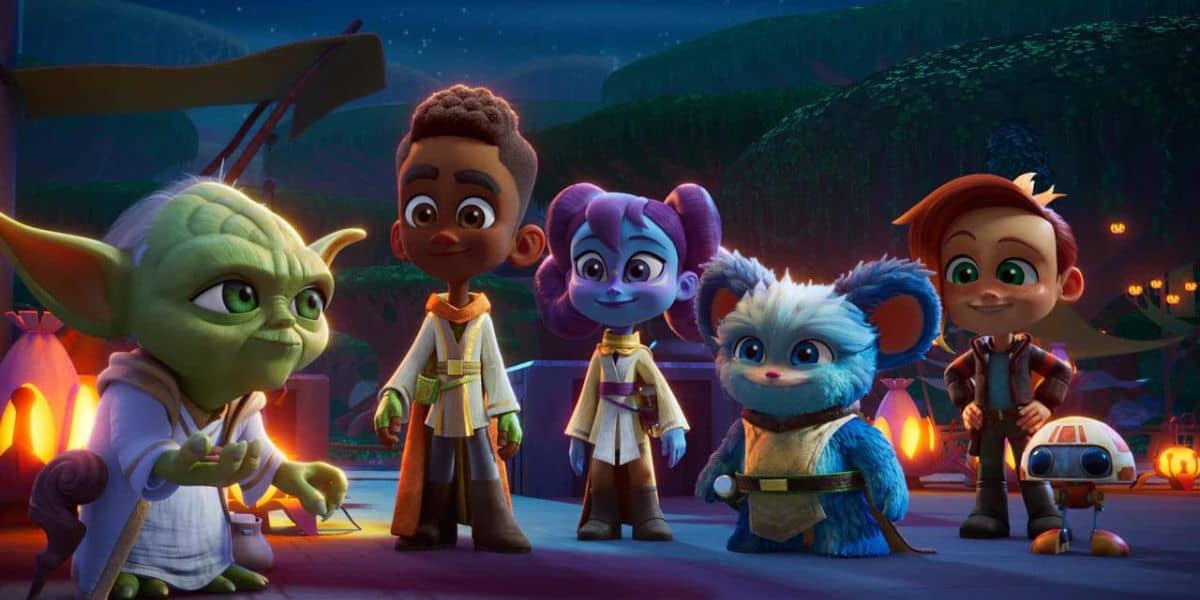
Following young Jedi trainees under the mentorship of Yoda, the show quietly introduced younger audiences to the era, operating largely outside the controversies surrounding its live-action counterpart.
Lucasfilm appeared to close the book on the High Republic with the release of “The High Republic: The Finale” on July 30, 2025. Marketed as the initiative’s conclusion, the one-shot comic signaled the end of Phase III and, ostensibly, the entire project. For fans, it marked the completion of a five-year narrative arc.
Enter “Star Wars: The High Republic Adventures—Pathfinders,” a new comic series from Dark Horse. Its arrival complicates Lucasfilm’s earlier messaging about the initiative’s conclusion.
Rather than continuing directly from prior storylines, “Pathfinders” takes place twenty years after Phase II and focuses on a new group of Republic Pathfinders. Their mission—to investigate a Jedi Master’s mysterious death—serves as a self-contained entry point for readers.
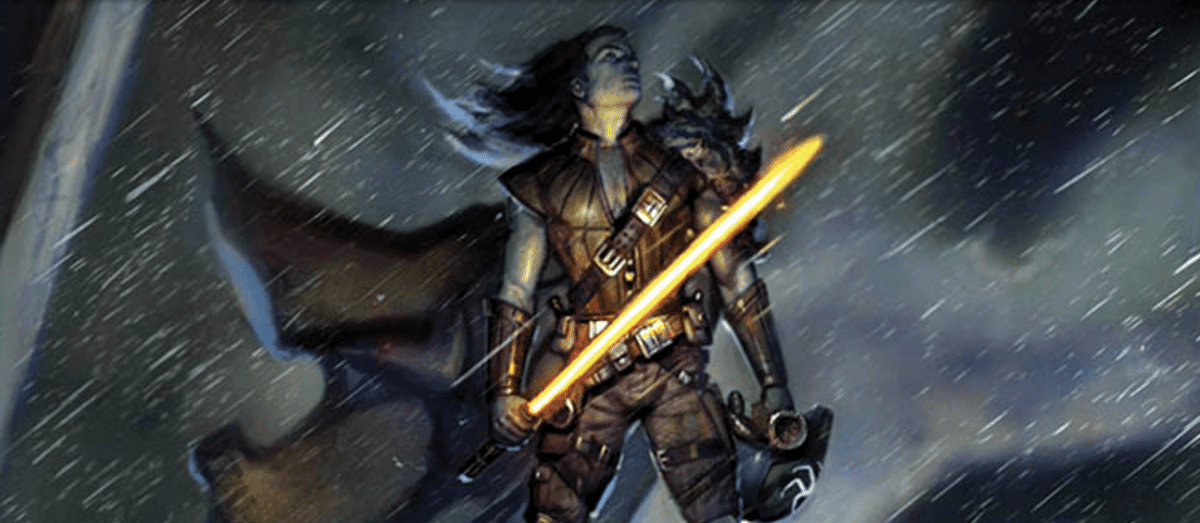
The distinction is deliberate. By centering on new characters, the series lowers the barrier to entry while still leveraging the High Republic setting. Whether this represents a continuation in spirit or a soft reset depends on perspective. If the High Republic’s return proves anything, it’s that Star Wars rarely adheres to finality. Even after a declared ending, the era continues to generate new stories.
At the same time, Lucasfilm’s broader plans remain in motion. Ahsoka Season 2 is on the horizon, The Mandalorian and Grogu is nearing release, and Star Wars: Starfighter is scheduled for 2027. Against that backdrop, the High Republic’s reemergence feels less like a reversal and more like business as usual for a franchise built on expansion.
What was once framed as a closed chapter has instead become an evolving corner of the galaxy—one that continues to grow, even after its supposed conclusion.
How do you feel about the High Republic's return? Let us know in the comments below!