Kimmel's Return: A Significant Development
Jimmy Kimmel has officially returned to the airwaves, heralding a momentous shift for late-night television. Nexstar, the largest station group owner in the United States, recently announced that it will resume airing Kimmel's show, Jimmy Kimmel Live!, across its ABC-affiliated stations. This decision follows negotiations between Nexstar and Sinclair Broadcasting, affirming their crucial role in broadcasting Kimmel's comedic content to major markets, including Washington, D.C., Seattle, Nashville, and Portland, Oregon. The reinstatement signals a commitment to reflect the sensibilities and diverse values of the communities they serve.

Nexstar highlighted its responsibility to connect with local audiences, emphasizing that its commitment to stewardship of the public airwaves guided its decision-making processes. It declared a firm resolve to ensure that the programming aligns with the community's unique values and perspectives amidst the evolving media landscape.
Origins of Kimmel's Suspension
The saga leading to Kimmel's temporary removal stemmed from his public remarks regarding conservative commentator Charlie Kirk. FCC Chairman Brendan Carr’s criticism of Kimmel set off a chain reaction, instructing broadcasters to “stop airing Kimmel’s show.” The subsequent turmoil compelled Nexstar to pull Kimmel from its ABC-affiliated networks almost immediately.
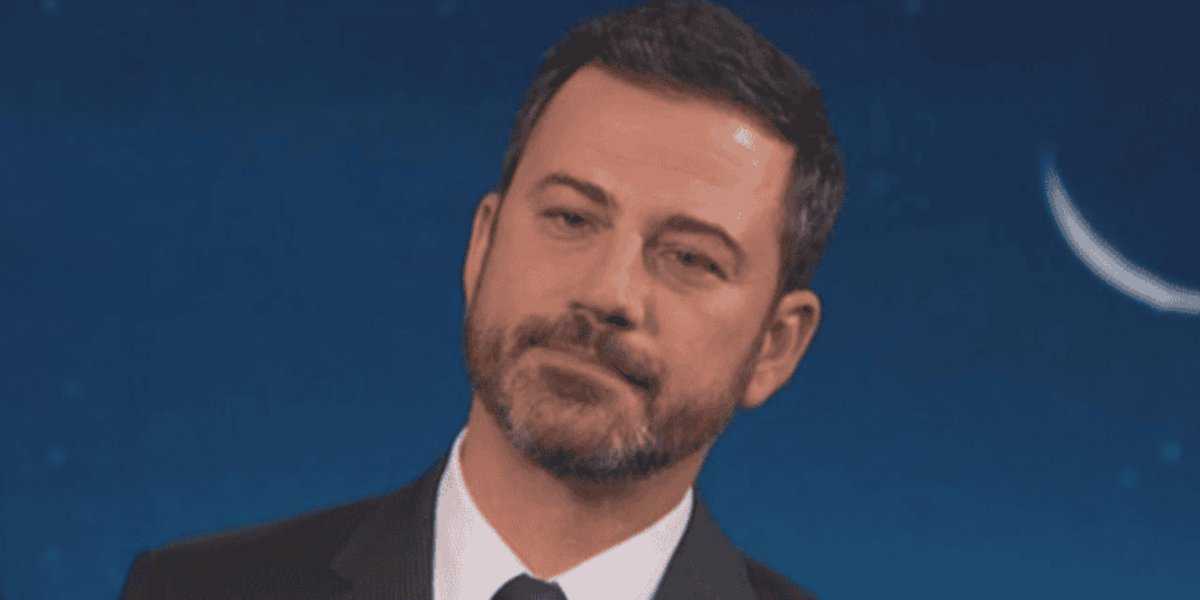
Interestingly, internal discussions at Disney and ABC revealed dissenting opinions among executives regarding the appropriateness of Kimmel's comments. Many believed he hadn’t crossed any lines that warranted punitive action. However, the mounting pressure from Nexstar and Sinclair became insurmountable, leading to Kimmel’s suspension as the networks sought to navigate their responsibilities amidst a politically charged atmosphere.
Negotiations Post-Suspension
After Kimmel's suspension, Sinclair Broadcasting presented various demands before considering the late-night host's reinstatement. Among these demands were calls for a network-wide independent ombudsman at ABC to ensure greater accountability and a public apology from Kimmel addressed to the Kirk family. Sinclair sought assurances that the network would significantly contribute to specific organizations—steps they deemed necessary to restore trust and professionalism.
However, Sinclair announced Kimmel's return without finalizing a formal agreement with ABC, leaving observers questioning the terms under which Nexstar reinstated the show. The nature of the negotiations remained vague, but it was clear that both company dynamics and audience expectations shaped the outcome. Kimmel's return, therefore, indicates a negotiated compromise with the overarching need for stability in broadcast programming.
Public Reaction and Industry Implications
The audience reaction following Kimmel’s reinstatement has been overwhelmingly positive, with loyal viewers celebrating his return on various social media platforms. The public sentiment reflects a broader belief in the significance of diverse voices within late-night programming, especially in a tense political climate. Nexstar has been applauded for reversing its earlier suspension, reinforcing that audiences crave varied perspectives in comedic content.
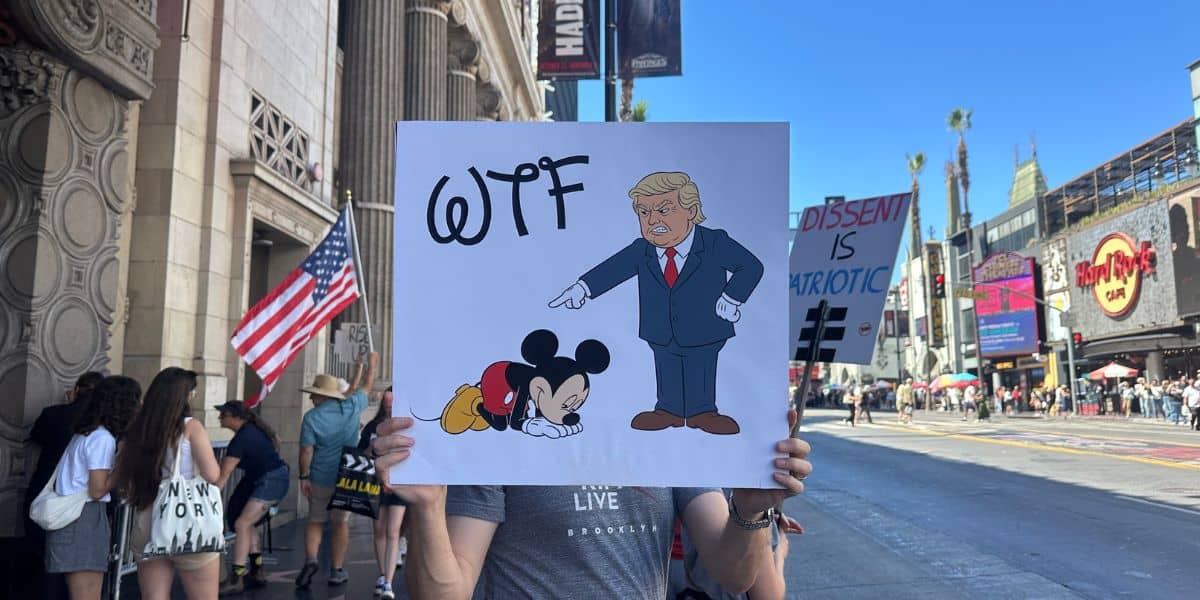
However, the implications of this situation extend beyond Kimmel himself. The entire episode raises critical questions about broadcast standards and the extent of political influence on media content. As late-night television evolves, industry analysts ponder the balance between entertainment and editorial integrity, especially in an era of increased scrutiny. Kimmel’s return not only revitalizes his show but also sets potential precedents for navigating controversies within the late-night landscape in the future.
While Jimmy Kimmel's comeback marks a personal victory for the host and his fans, it simultaneously unveils broader dialogues about media responsibility. Nexstar's decision underscores local broadcasters' need to balance their roles cautiously amidst an intricate web of community values and regulatory oversight. As Kimmel again takes his place in the late-night lineup, industry watchers will keenly observe how this development influences future programming decisions and media relations.