
The “Disney Bubble” is meticulously engineered to be a sanctuary of joy, but lately, at Shanghai Disneyland, that bubble is being punctured by a wave of inexplicable aggression. For the performers who bring icons like Mickey Mouse and Winnie the Pooh to life, the job has shifted from spreading magic to dodging physical assault.

As we move through March 2026, viral footage and park reports have highlighted a disturbing surge in guests hitting, slapping, and otherwise roughing up “fur” characters. What many guests treat as a harmless prank is, in reality, a dangerous trend that has left performers injured and the park’s “meet-and-greet” culture in jeopardy.
The Slap Heard ‘Round Social Media
The most high-profile incident occurred when a video surfaced of a guest approaching Winnie the Pooh during a standard promenade. Instead of a hug, the guest delivered a sharp, open-handed blow to the side of the character's head. The performer immediately clutched their face and collapsed to the ground, disoriented and in pain.
While the guest was seen laughing and walking away, the consequences for the performer were severe. This isn't just a matter of “hurt feelings”—it is a matter of physical physics.
The Danger Behind the Mask
Character headpieces are not just soft plush pillows. They are complex pieces of equipment that can pose a significant risk to the wearer when struck:
- Weight and Hardware: A typical character head can weigh between 5 and 10 pounds and is often held in place by a rigid internal harness.
- Impact Transfer: Because the headpiece is secured to the performer's skull, a slap to the “face” of the character translates to a jarring force on the performer’s neck and ears.
- Medical Risks: Performers have reported concussions, whiplash, and even ruptured eardrums as a result of these “playful” strikes.
A Systematic Problem: From LinaBell to Mei Mei
The harassment hasn't been limited to a single bear. In late 2025 and early 2026, other fan-favorites have been caught in the crosshairs of aggressive guest behavior:

- LinaBell: The popular pink fox has faced numerous incidents where guests aggressively pull on her oversized tail or poke at her eyes, often causing the performer to lose their balance.
- Mei Mei (Red Panda): During live stage performances, guests have attempted to storm the stage or grab at the performer’s torso, leading to “shelter-in-place” protocols for the cast.
- Reseller Scuffles: Aggressive “resellers” seeking limited-edition merchandise have been documented shoving characters aside to reach store entrances, treating performers as physical obstacles rather than human beings.
The “Dehumanization” of the Character
Psychologists point to a phenomenon known as “Mascot Objectification.” Because the character's face is static and they do not speak, some guests stop viewing the performer as a person.
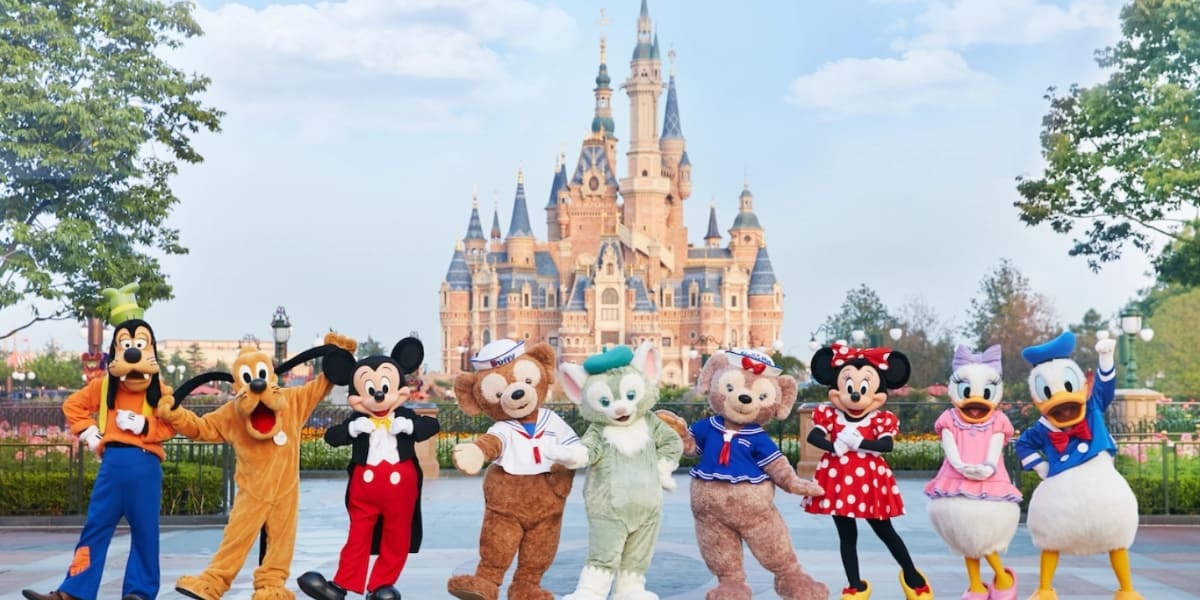
“There is a psychological disconnect,” says park safety consultant Dr. Aris. “The guest sees a toy, not a worker. They are looking for a reaction—a ‘funny' stumble or a squeak—without realizing they are hitting a living, breathing person who is likely already struggling with heat and restricted visibility.”
This behavior is further fueled by “clout-chasing.” Guests film these interactions, hoping for viral hits on short-form video platforms, where “pranking” a defenseless Disney character is seen as an easy way to garner views.
2026: The Security Counter-Strike
In response to this escalating violence, Shanghai Disney Resort has moved from “warnings” to a zero-tolerance framework as of March 16, 2026. The resort is leveraging its status as a world leader in theme park technology to fight back:

- Facial Recognition Blocklisting: Anyone caught intentionally striking a performer is immediately removed and added to a permanent resort blocklist. This data is shared across Disney’s booking platforms to prevent re-entry.
- Increased “Handler” Presence: “Fur” characters are now frequently accompanied by multiple security “character attendants” who act as a physical buffer between the guest and the performer.
- Criminal Prosecution: The park has begun working with local law enforcement to treat these incidents as criminal assault. In the recent Winnie the Pooh case, the perpetrator was reportedly detained by police for several days.
Conclusion: Protecting the Magic
The performers at Shanghai Disneyland work in grueling conditions—often in high humidity while wearing stifling costumes—to provide families with a moment of wonder. When guests choose to “hit, slap, or touch” without consent, they aren't just breaking a park rule; they are assaulting a worker.

If this trend continues, the era of the “free-roaming” character may come to an end, replaced by velvet ropes and distanced balcony appearances. To save the magic, the culture of guest behavior must change.
Should Disney implement physical barriers for all character meet-and-greets to ensure performer safety?