Colbert's Reaction to Kimmel's Suspension
Jimmy Kimmel's sudden suspension from the airwaves has provoked widespread backlash across the entertainment industry. Disney's decision to remove Kimmel followed his remarks regarding conservative figure Charlie Kirk, which ignited controversy and prompted criticism from various quarters. Late-night host Stephen Colbert, who has previously navigated the rough waters of cancellation, voiced his views on the situation, demonstrating a keen understanding of its implications for free speech in comedy.
Colbert's experiences with cancellation lend an authenticity to his commentary. He is no stranger to the challenges faced by comedians under scrutiny, making his response particularly resonant. The public reaction to Kimmel's suspension has largely been adverse, with many fans pledging to boycott Disney until he returns to the air. This grassroots mobilization shows a deep dissatisfaction with Disney's handling of Kimmel's remarks, spotlighting the delicate balance between corporate interests and artistic expression.
The Impact of Colbert's Monologue
In an incisive monologue delivered shortly after Kimmel's suspension, Colbert utilized a parody of Disney’s classic Beauty and the Beast to deliver a stinging critique aimed at the company. He introduced a character reminiscent of Lumiere, provocatively donning a MAGA hat while instructing Disney employees to “shut their trap.” This bold move served as entertainment and a profound commentary on the consequences of corporate censorship.
Themes of freedom of speech, artistic integrity, and corporate pressure permeated Colbert’s segment. He forcefully questioned Disney’s willingness to sideline Kimmel instead of defending artistic liberties, suggesting that financial motivations often take precedence over principles within the entertainment industry. The response from the audience was overwhelmingly positive; within hours of its release on YouTube, the parody garnered nearly half a million views, reflecting a strong resonance with viewers and a shared concern regarding free speech issues.
Disney's Corporate Decisions Under Scrutiny
Disney’s handling of Kimmel’s situation has prompted critical examination of its corporate ethics. Critics question whether the company prioritizes profits over principles, particularly in light of potential backlash from conservative factions. The decision to suspend a prominent late-night host raises concerns about how money influences programming decisions, casting a shadow over artistic freedoms.

The financial stakes are significant for Disney as the company must navigate a complex landscape with potential repercussions. This approach could alienate its progressive audience while simultaneously appeasing conservative factions. The scrutiny this decision has invited may ultimately impact Disney’s reputation, with public sentiment leaning towards a perception of the company as prioritizing financial security over freedom of expression.
Future Landscape of Late-Night Comedy
As speculation about Kimmel’s potential return continues, industry insiders closely monitor the evolving dynamics of late-night television. Some believe negotiations between Kimmel and Disney might soon bridge the current divide, though uncertainty remains regarding the outcome of these discussions.
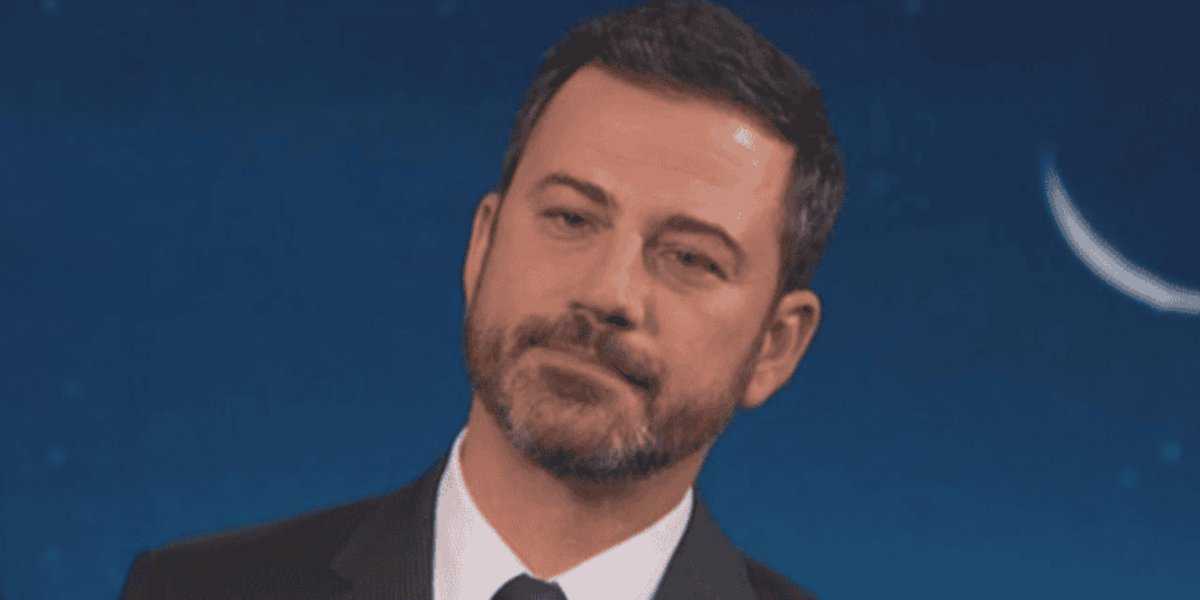
Colbert’s remarks on comedian freedoms indicate a potential shift in the late-night landscape, where demands for artistic independence are increasingly pronounced. This situation reminds us of the intricate relationship between creative expression and corporate interests, as Kimmel’s experience highlights the delicate balance late-night hosts must maintain in their comedic endeavors.
The ongoing discourse surrounding free speech and corporations' responsibilities in entertainment will likely shape how networks and studios approach their programming policies in the future. As the landscape of late-night television evolves, figures like Colbert and Kimmel continue to play pivotal roles in advocating for comedians' rights to speak freely without fear of corporate backlash.