

Change has always been part of Disney’s identity. Walt Disney World thrives on reinvention, where attractions evolve, technology advances, and even the most minor details shift to keep the parks fresh. Guests have grown used to the rhythm of change, but occasionally, a transformation touches something familiar.
That’s the case with MagicBands—those colorful wristbands that defined Disney vacations for the past decade. They’re still around, but their importance is shrinking as Disney looks toward a more digital future.

Innovations That Set the Stage
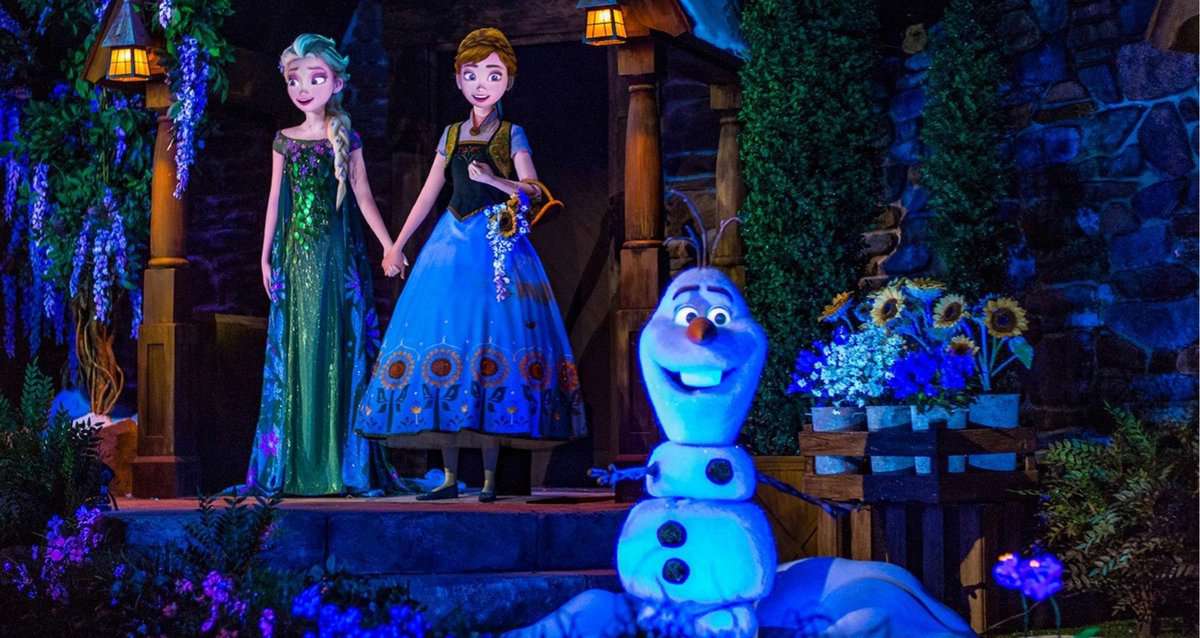
To understand why, it helps to look at how much Disney has leaned into technology across the parks. Mickey & Minnie’s Runaway Railway and Remy’s Ratatouille Adventure ditch traditional tracks, letting ride vehicles roam freely and unpredictably. Animatronics have also advanced with Frozen Ever After, using facial projections that make characters look like they stepped out of the film.
This focus on innovation creates an expectation: every part of the Disney experience should feel cutting-edge. That expectation is why MagicBands, once groundbreaking, now feel like yesterday’s tech.
The MagicBand Era
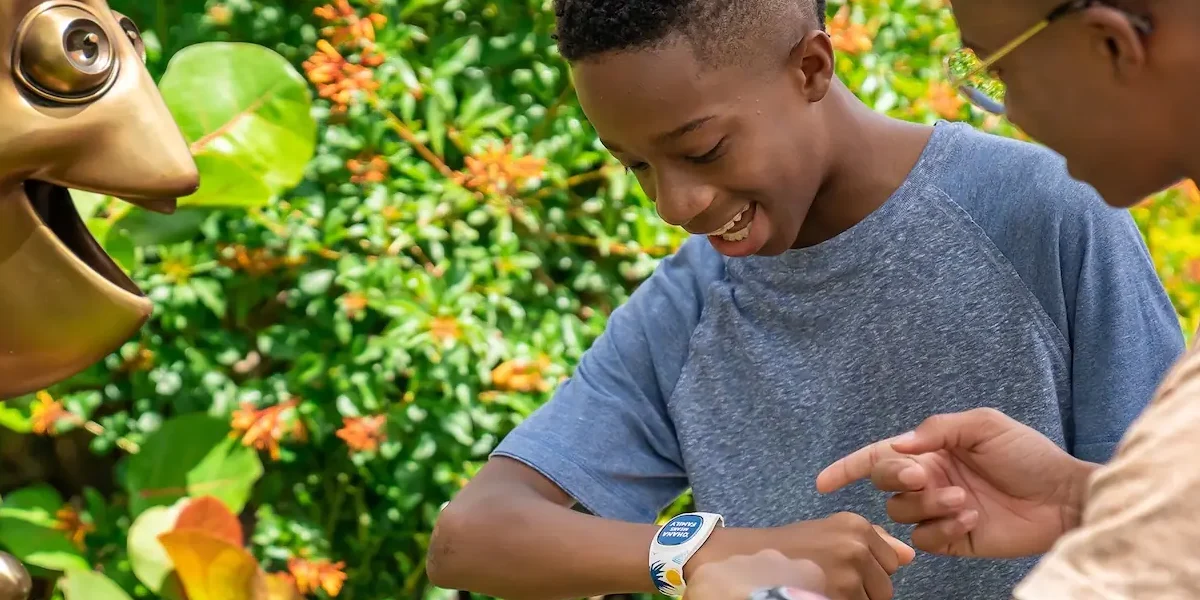
When MagicBands debuted in 2013, they felt revolutionary. Guests could use them as hotel room keys, park entry passes, FastPass access (today's Lightning Lane), and even to pay for meals or souvenirs. Best of all, they were included for free if you stayed at a Disney resort.
Families loved the convenience and personalization. Choosing colors or themed designs added a sense of ownership, and kids relished the independence of tapping their own band to ride or buy a snack.
But Disney began to shift gears. Complimentary bands were phased out in 2021, and soon the My Disney Experience app began to outshine them in functionality.
Phones Replace Wristbands
Today, Disney’s MagicMobile service makes storing tickets, room access, and payment details easy on your phone or smartwatch. It does everything a MagicBand can—without the extra purchase.
Because nearly every guest already carries a phone, MagicBands has lost their place as an essential part of the Disney trip. While collectors and fans of the designs still enjoy them, the average visitor can get by without one.

The Trade-Offs
There are clear upsides to this shift. Families save money, Disney reduces waste, and the company can focus more energy on digital innovation.
But there are drawbacks too. Parents with younger kids may miss the simplicity of a wristband, and collectors lose an element of Disney fun. The biggest frustration is battery life—phones don’t always last a full park day, while MagicBands never need charging.
What’s Next?
MagicBands aren’t disappearing overnight, but their decline is hard to ignore. They’re slowly becoming less of a necessity and more of a novelty. Like paper FastPass tickets, they’ll eventually become a piece of Disney history rather than an everyday tool.
Disney’s message is clear: the future of its parks is digital, and the MagicBand’s best days are behind it.