Every generation of Disney fans believes their version of the parks is permanent.
The rides they grew up with feel timeless. The lands they know feel fixed in place. Change is something that happens slowly, at the edges, not to the heart of the experience.
The next decade is about to challenge that belief.

Disney World is entering a period of transformation that will likely be more disruptive than anything seen since the parks first embraced heavy intellectual property expansion. The warning signs are already visible. Entire lands are being cleared. Long-running attractions are being removed. And Disney’s priorities are shifting faster than many fans expect.
The clearest signal is Dinosaur.
After more than twenty years, the attraction has been officially confirmed to permanently close in just a matter of days. Dinoland U.S.A. is already gone. The space will soon become part of a completely new themed area tied to modern franchises. A ride that once defined an entire land is disappearing almost overnight.
That same pattern is quietly spreading.
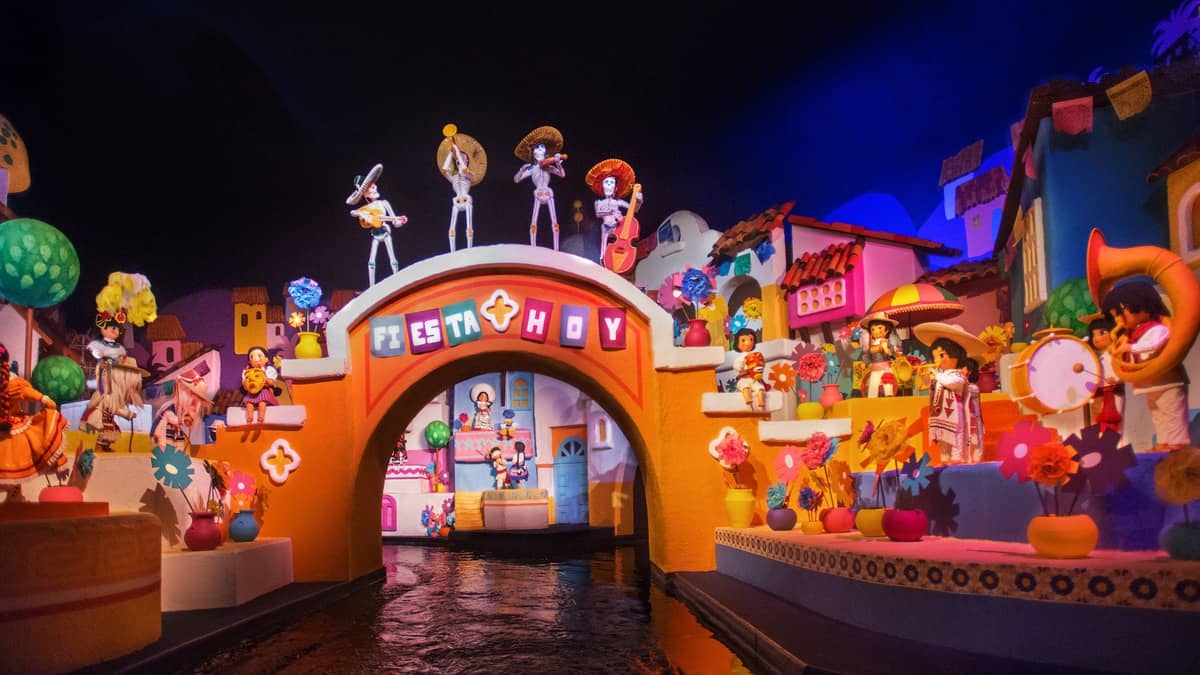
At EPCOT, Gran Fiesta Tour remains a fan favorite, but it stands out in a park that is rapidly becoming dominated by major IP. With Frozen and Ratatouille already anchoring World Showcase, the long-standing rumors of a Coco (2017) replacement are less surprising than they once seemed.
In Hollywood Studios, the transformation is even more advanced.
Star Tours, once the flagship Star Wars attraction, now sits in the shadow of Galaxy’s Edge. The park no longer needs multiple aging Star Wars simulators when it already has two of the most advanced rides Disney has ever built. Redundancy, in Disney’s world, usually ends in replacement.
Even the most iconic rides face long-term pressure.
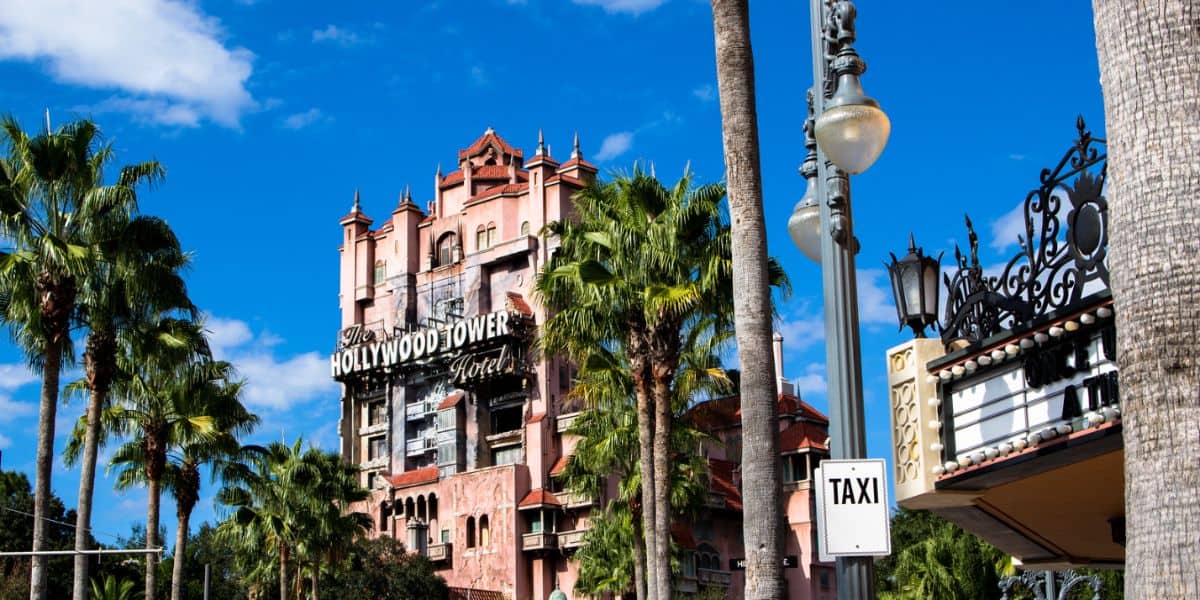
Tower of Terror remains a masterpiece, but it is built on a franchise that no longer defines modern pop culture. Disney has already replaced it once in California. Over a ten-year horizon, it is difficult to believe that possibility will never be explored again in Florida.
And in Magic Kingdom, Tomorrowland Speedway stands as a reminder of how fragile nostalgia really is.
It survives because of memory, not momentum. It occupies enormous land in a park constantly searching for room to grow. That imbalance becomes harder to justify with every new expansion plan.
What ties all of this together is not a single project.
It’s a philosophy.
Disney is no longer building parks around timeless concepts. It is building parks around franchises that drive long-term engagement, streaming synergy, and merchandise. Attractions that do not serve that strategy are increasingly vulnerable, no matter how beloved they are.
The next decade will not just add new rides.
It will quietly erase parts of Disney World that many fans assumed would always be there.
And the pace of that change may shock more people than Disney is ready for.