

Trump’s Confrontation with ABC News
Donald Trump’s ongoing feud with The Walt Disney Company escalated significantly following a recent confrontation at a press conference. During the event, Trump faced tough questions from Mary Bruce of ABC News, specifically regarding his dealings with Saudi Arabia and the implications of the Epstein Files. Tension heightened when Bruce stated, “U.S. intelligence concluded that you orchestrated the brutal murder of a journalist,” referring to journalist Jamal Khashoggi. Trump, visibly agitated, interrupted, calling Bruce a “terrible reporter” and dismissing ABC as a “crappy company.”
Following this exchange, Trump intensified his attacks on ABC News. He accused the network of yielding to a partisan agenda and branded it as a “Democrat spin operation masquerading as a broadcast network.” His remarks were not merely emotional outbursts but part of a broader strategy aimed at delegitimizing media outlets he perceives as adversarial.
Furthermore, Trump threatened to revoke ABC's broadcasting license. This claim sent shockwaves through the media landscape, raising questions about the future of journalistic freedom and accountability in the United States.
Impacts on Disney and ABC's Reputation
Disney, the parent company of ABC News, has remained noticeably silent amid Trump’s barrage of criticism. Analysts and media observers queried whether this silence indicates a deliberate management strategy or a lack of clarity on how to confront a former president's power and influence. The tension surrounding this feud has potential ramifications for Disney’s reputation, particularly if public sentiment turns against the company due to perceived alignment with a network facing fierce criticism.

Moreover, Trump's confrontations may invite backlash from the public and stakeholders who value journalistic integrity. Disney's management must carefully assess its position, weighing the importance of standing by its subsidiary against the potential ramifications of amplifying a feud that may alienate audiences.
Reactions to Jimmy Kimmel’s Criticism
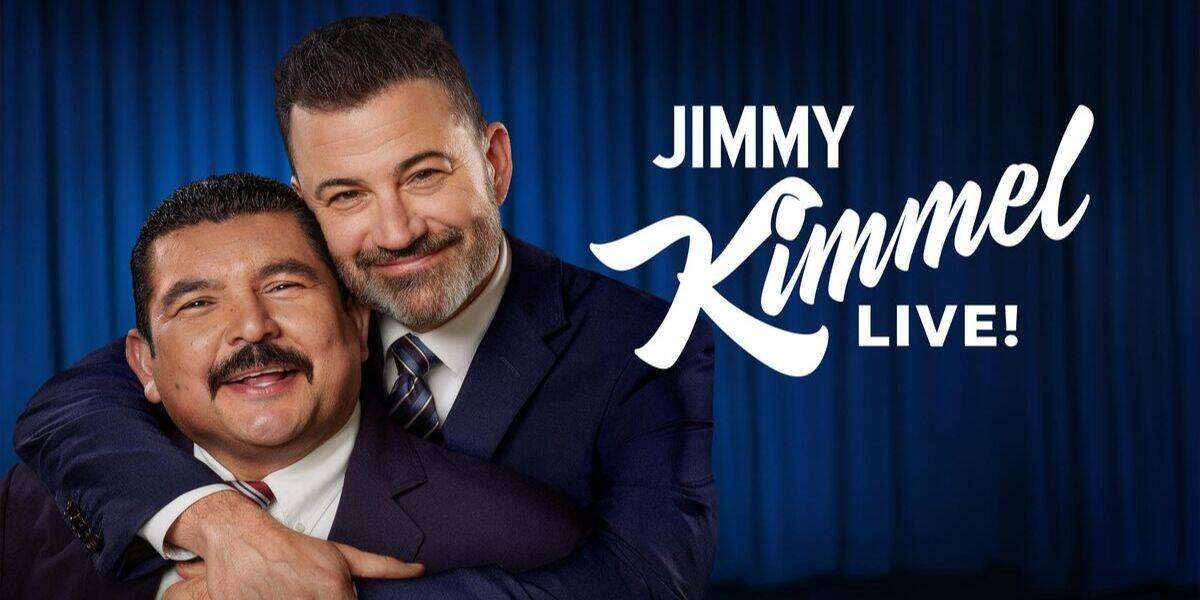
In tandem with his criticisms of ABC, Trump aimed at Jimmy Kimmel after the late-night host lambasted Trump's meeting with Saudi Crown Prince Mohammed bin Salman. Kimmel characterized the engagement as “cartoonishly evil” in his monologue after the Oval Office incident. This criticism did not sit well with Trump, who subsequently called for Kimmel’s show to be removed from the air, urging ABC affiliates to boycott it.
Kimmel’s portrayal of this diplomatic meeting puts his show in a precarious position, especially as he finds himself in the crosshairs of Trump’s animosity. With the late-night landscape being increasingly politicized, Kimmel's show faces increased scrutiny and potential backlash as it navigates these turbulent waters while continuing to deliver political commentary.
Broader Consequences for the Media Landscape
The Federal Communications Commission (FCC) has now entered the fray, launching an investigation into the relationship between ABC and its affiliated stations following Trump's comments. Should the FCC probe deliver unfavorable results regarding ABC’s operations, it might lead to challenging ramifications, not just for ABC but for the media landscape as a whole.
This investigation comes at a time when the relationship between political entities and media organizations is already strained. Any adverse findings could disrupt ABC's relationship with its affiliates, potentially altering how these networks operate in a competitive broadcasting ecosystem.
Public Sentiment and Media Trust
Public reactions to this feud have been markedly mixed. Many of Trump’s supporters echo his criticisms, voicing sentiments of dissatisfaction with ABC’s coverage. On the other hand, critics argue that Trump's attempts to diminish the credibility of news outlets pose a risk to journalistic freedom and accountability.

Media analysts continue to evaluate the implications of Trump’s interactions with ABC and Disney on the overall trust in journalism. Observers note that Trump’s vendetta toward media outlets could influence audience perceptions, leading to decreased confidence in mainstream news sources. As the feud unfolds, the ongoing battle for credibility within the media landscape assumes heightened urgency, prompting stakeholders to consider how such conflicts may shape the future of news and information dissemination.


