

Rising Airline Ticket Prices
Trump's tariffs, encompassing over 60 nations, are poised to inflate airline ticket prices significantly. This economic move was intended to bolster domestic industries but is now resulting in increased airline operational costs, which will ultimately be passed on to consumers. Although these tariffs are primarily aimed at imported goods, the financial implications resonate throughout the travel sector, raising concerns about affordability for families planning vacations.

According to the Yale University Budget Lab, the average American family may face an annual increase of approximately $3,800 due to these tariffs. This uptick in expenses compounds the costs of everyday life, pushing families to reconsider their travel plans. As airline prices rise with other budget pressures, the prospect of family vacations, particularly to popular destinations such as Disney World, becomes daunting for many middle-class families.
Experts predict that airline ticket prices could rise dramatically due to Trump's tariffs. The anticipated increases could lead to hikes in the cost of flights alongside ongoing inflation concerns. Families looking to travel may find themselves facing new financial realities, which could lead to a shift in vacation strategies, favoring closer or budget-friendly destinations over traditional options like Disney World.

Effects on Disney Vacations
Soaring airline prices present substantial challenges for families planning trips to Disney World. Increased flight costs and already hefty Disney vacation expenses may deter many travelers. The potential for higher prices complicates family trips and has implications for Orlando's tourism sector, which heavily relies on visitors flying in for experiences at Disney and other attractions.
As travel costs surge, families may need to adapt their planning processes. Early booking could be essential to secure better rates, as prices are expected to climb further. The uncertainty around future airfare could lead to last-minute travel decisions, drastically altering how families perceive vacation planning and budgeting.

The economic squeeze from rising airline prices could lead many families to abandon trips to Disney World, reshaping family vacations for the foreseeable future. Choices may lean towards more affordable options, leading to a notable shift in discretionary spending within the travel and tourism industries. This trend raises concerns about the long-term viability of tourism-dependent economies.
Airline Industry Responses
In light of Trump's tariffs, major carriers such as Delta, Southwest, and American Airlines have downgraded their earnings forecasts for the first quarter of 2025. These airlines cite decreased consumer confidence and rising costs as central issues impacting their projections. The expectation of climbing airline prices is vital as the industry braces for potential downturns in demand.
Stock prices for these airlines took significant hits, plummeting between 10% and 15%, reflecting investor fears surrounding future profitability. The declining stock values indicate a broader concern within the aviation sector regarding attracting travelers amid rising fares and a challenging economic environment. Stakeholders closely monitor passenger patterns, as industry experts expect a decline in travel demand if flights become prohibitively expensive.
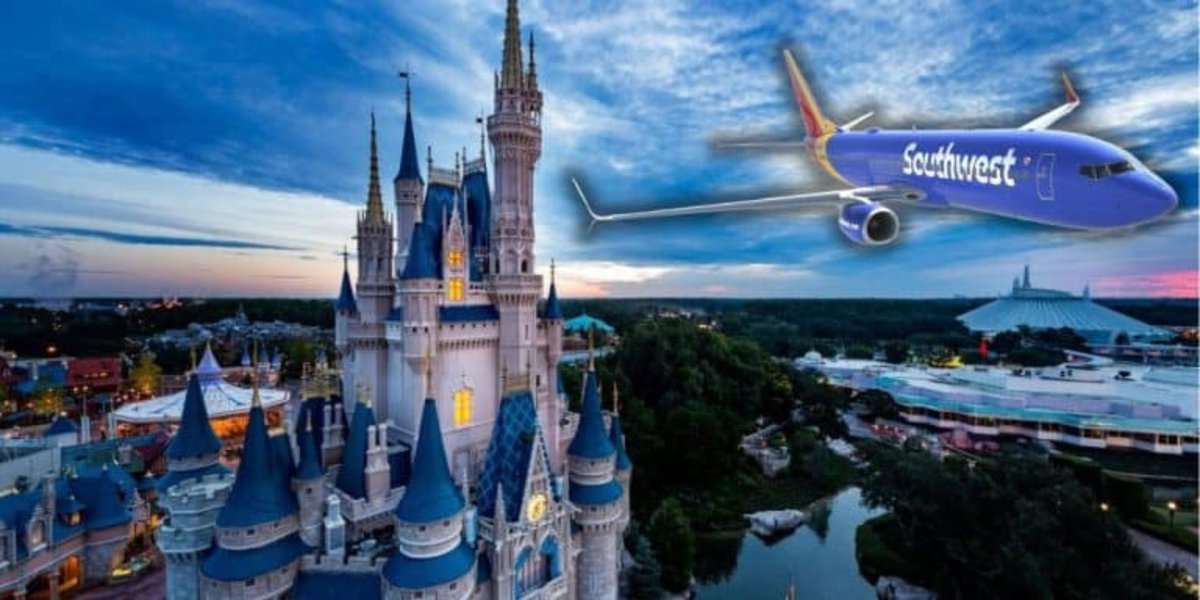
Rising airline prices will likely curtail demand for air travel as families weigh the financial burden of higher ticket costs against their travel aspirations. The shift in consumer behavior could lead to lower overall passenger numbers, further impacting airline revenues. The combination of decreased demand and rising operational costs presents a dual challenge that airlines must navigate carefully.
Insights from Industry Leaders
Industry leaders from significant aircraft manufacturers, Boeing and Airbus, have spoken out against the tariffs, emphasizing their potential long-term implications for the American aviation sector. Boeing’s CEO remarked that a significant portion of the company’s aircraft parts come from international sources, underscoring the complexity of the manufacturing chain. These remarks echo the sentiment that increased tariffs could inhibit the competitiveness of U.S. airlines.

Airbus’s CEO has highlighted the detrimental effects that tariffs can have on pricing strategies, stating that increased costs could stifle innovation and strategic growth. The sentiment across the board indicates that the airline industry faces uphill challenges as it manages increased expenses while maintaining competitive pricing.
The global nature of the airline manufacturing industry complicates the impact of tariffs. As many components are sourced internationally, the ramifications of rising costs extend beyond simple ticket price increases, influencing airlines ‘ entire production and operational landscape in the United States. The future market could witness a fragmented industry struggling with the pressures of high tariffs amidst declining consumer demand.

Trump's tariffs are set to reshape the travel landscape, particularly for families aiming to visit Disney World. Many may find their travel plans significantly altered with the predicted airline price increases and a tightening economic environment. Airline consumers are encouraged to remain informed and act quickly to secure affordable travel options in the face of impending price hikes.





Bull airline ticket prices are horrible already even before tariffs a family of 4 round-trip from Philadelphia to MCO IS over $1800.00 dollars blame it on The democrats for those prices not Trump