For decades, Disney set the pace.
When a major theme park project was announced, when a groundbreaking attraction debuted, or when an entirely new destination opened its gates, the industry typically followed Disney’s lead. Fans expected it. Competitors reacted to it.
But something feels different now.
Across social media, theme park communities, and industry circles, a growing conversation has emerged about where the momentum currently sits. While Disney continues investing in its parks and experiences, Universal Destinations & Experiences appears to be accelerating at a pace that is becoming increasingly difficult to ignore.
What started as a major new park opening in Florida is now evolving into something much larger—a nationwide expansion strategy that could reshape the balance of power within the themed entertainment industry for years to come.

Universal’s Biggest Bet Is Already Delivering Results
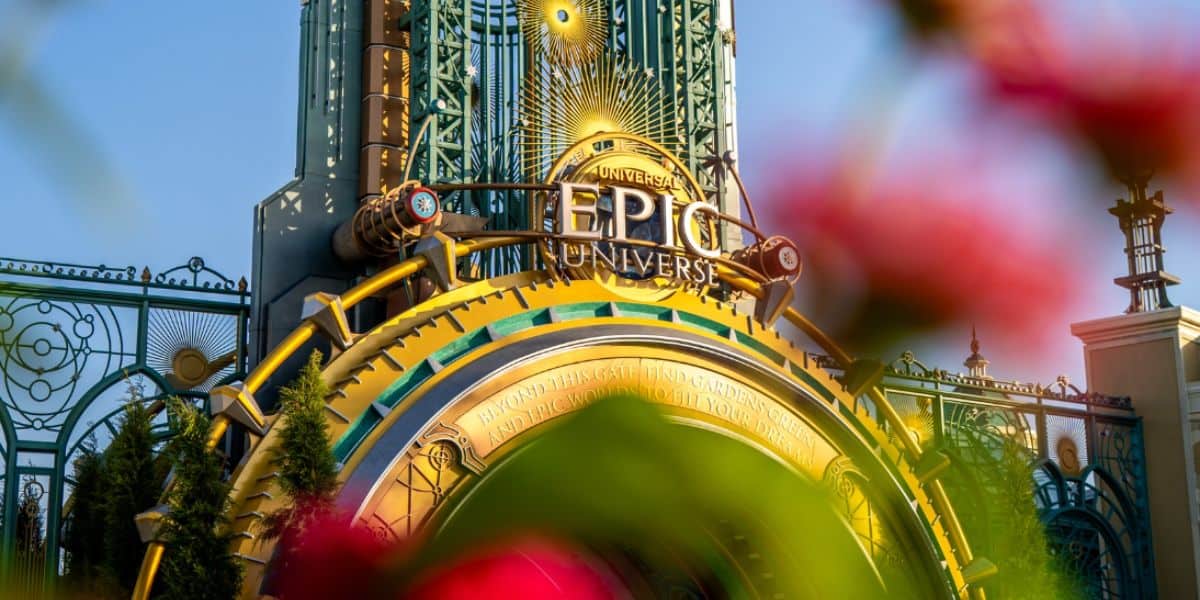
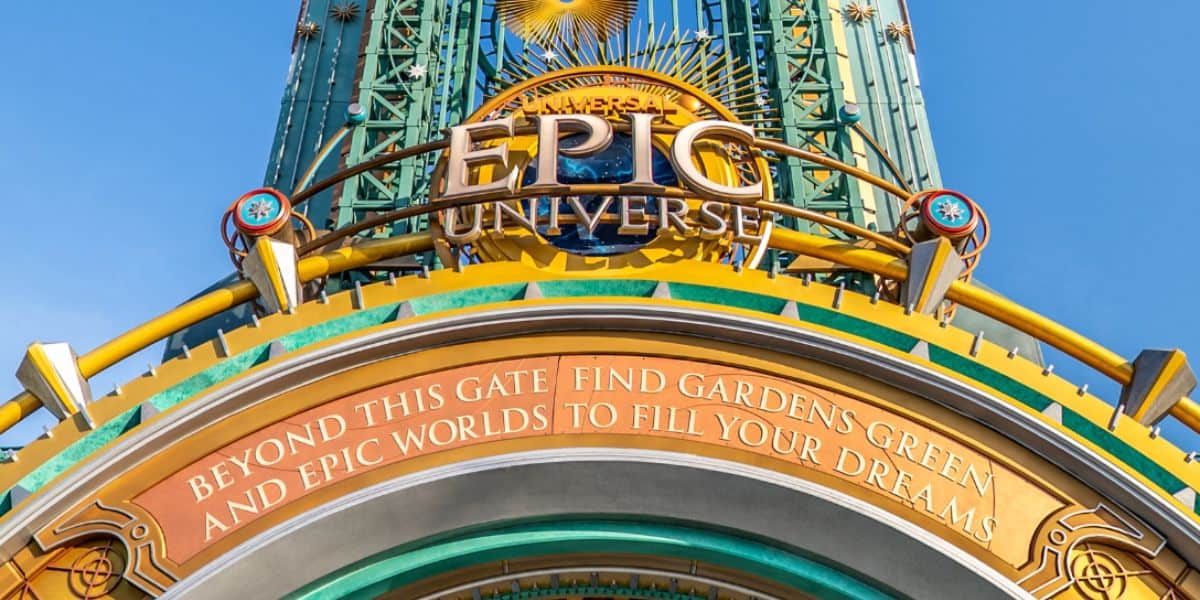
The opening of Universal Epic Universe in Orlando marked a historic moment for the industry.
Not only was it the most ambitious and technologically advanced park Comcast NBCUniversal has ever built, but it also represented the first major theme park to open in the United States in more than 25 years.
For longtime theme park fans, Epic Universe felt like more than just another expansion. It felt like a statement.
And the numbers suggest that statement is already having an impact.
According to Universal Destinations & Experiences, Epic Universe helped drive 12 consecutive months of year-over-year growth in Orange County tourism tax revenue during its first year of operation. The park is also expected to generate approximately $2 billion for the state of Florida while creating more than 17,500 jobs nationwide.
Fans are noticing something important here.
Epic Universe wasn't simply designed to compete with Disney's existing offerings. It was designed to create an entirely new reason for guests to visit Central Florida—and potentially spend more of their vacation time inside Universal's ecosystem.
That distinction matters.

The Company’s Expansion Is No Longer Limited to Orlando
For years, Universal's strongest presence existed primarily through its flagship resorts in Orlando and Hollywood.
That is changing rapidly.
On July 1, Universal Kids Resort opens in Frisco, Texas, introducing an entirely new concept designed specifically for families with young children. The destination combines themed lands, attractions, character encounters, interactive experiences, and a 300-room themed hotel built around family-focused vacations.
The project created more than 4,100 construction jobs and nearly 1,500 operational positions while generating millions in projected tax revenue for North Texas.
The significance extends beyond the numbers.
Disney has traditionally dominated the family vacation conversation. By creating an experience tailored specifically for younger children, Universal is reaching audiences earlier and introducing new generations to its brands before those families even consider larger destination vacations.
It's a strategic move that could pay dividends for years.
Hollywood Is About to Experience a Major Shift
Meanwhile, Universal Studios Hollywood is preparing to debut something fans have never seen before.
Fast & Furious: Hollywood Drift will become the park's first-ever high-speed outdoor roller coaster and will feature groundbreaking 360-degree rotation technology.
For many visitors, it's simply another exciting attraction.
For industry observers, however, it represents something bigger.
Universal continues investing heavily not only in entirely new destinations but also in existing parks. Rather than slowing down after Epic Universe, the company is expanding simultaneously across multiple markets.
That level of sustained investment sends a clear signal about Universal's long-term ambitions.

The Battle With Disney Is Becoming More Competitive
This is where the conversation becomes especially interesting.
Disney remains the largest and most influential theme park company in the world. Its intellectual property portfolio, global footprint, and deeply emotional connection with generations of fans remain unmatched.
But momentum can be a powerful force.
Over the past several years, Universal has steadily positioned itself as an aggressive challenger rather than a secondary option. Epic Universe elevated Universal Orlando Resort into a true weeklong vacation destination. Universal Kids Resort expands the brand into a new demographic. Hollywood Drift strengthens its California presence.
Each investment builds upon the last.
For Disney fans, this growing competition may ultimately be good news.
Historically, some of the industry's most exciting periods have emerged when major companies push each other to innovate faster, build bigger attractions, and deliver better guest experiences.
Competition creates urgency.
Urgency creates innovation.
And innovation is exactly what theme park fans often want most.

Universal Is Investing Beyond Attractions
Perhaps the most overlooked part of Universal's growth strategy isn't a ride, hotel, or theme park at all.
In May 2026, Universal announced a $10 million investment in the Universal School of Experience Leadership and Innovation at the University of Central Florida.
The initiative aims to develop future leaders in themed entertainment through research and education focused on creativity, technology, business, marketing, and guest service.
For longtime fans, this may seem like a small footnote.
It isn't.
The next generation of industry leaders will shape the attractions, technologies, and experiences guests encounter decades from now. Universal is investing not only in today's parks but also in the people who may define the future of themed entertainment itself.

What Happens Next Could Shape the Industry for Years
A surprising shift is unfolding across the theme park landscape.
Universal is no longer simply expanding individual attractions or adding occasional rides. The company is building new parks, entering new markets, creating new educational initiatives, and establishing itself as a major economic force in multiple regions across the United States.
Disney remains an industry giant, and few would bet against its ability to respond.
But for the first time in years, many fans feel like they're watching a genuine race rather than a one-company show.
The bigger question isn't whether Universal can continue growing.
It's whether this new era of aggressive expansion will push Disney—and the entire industry—to dream even bigger. If it does, the biggest winners may ultimately be the millions of guests who keep coming back in search of experiences that feel impossible until they become reality.