Guests are warning others over a potential viral outbreak at Universal Studios.
Theme parks promise escapism — a few hours inside meticulously designed worlds where the real one feels distant. Yet the same crowds that create that energy can also present a different reality, particularly when thousands of visitors move through the same rides, restaurants, and queue lines.
Large-scale destinations such as Universal Studios Hollywood and Disneyland Resort host tens of thousands of guests on busy days. The density is part of the appeal — and the challenge. Shared surfaces, packed attractions, and busy dining locations create environments where germs can move quickly.

Public health officials have occasionally confronted that reality inside theme parks. In 2015, Disneyland Resort was linked to a measles outbreak that ultimately spread across several U.S. states, drawing national attention to vaccination rates and crowd-driven transmission.
More recently, California health officials warned in early 2026 that two infectious visitors had been present at Disneyland Resort during their contagious period. Officials said the situation underscored how easily illnesses can circulate in heavily trafficked tourist locations.
The COVID-19 pandemic offered perhaps the clearest demonstration of how dramatically disease concerns can reshape theme parks. Disney and Universal properties worldwide shuttered for months beginning in 2020, later reopening with new sanitation procedures, capacity limits, and health protocols.

Even outside major outbreaks, reports of illness periodically surface online after park visits. Food poisoning claims appear from time to time — an expected risk in any environment serving thousands of meals daily — though identifying a specific source can be difficult.
Recently, however, some guests believe a different culprit may be responsible.
Norovirus — a highly contagious stomach virus known for causing sudden vomiting and diarrhea — spreads quickly in crowded environments. Cruise ships, schools, and densely packed tourist destinations are among the settings where outbreaks are most commonly reported.
Guests Report Illness After Dining at Toadstool Cafe
One Reddit user recently shared an account of a group illness after visiting Universal Studios Hollywood and dining at Toadstool Cafe inside SUPER NINTENDO WORLD.
“On Saturday April 4, my group (8 adults) had dinner at Toadstool Cafe around 4:30 pm,” the guest wrote. “The majority of our group had burgers… at least one affected person had the salad, and another the pasta dish.”

The timing initially seemed routine — a standard meal inside the immersive Nintendo-themed restaurant located near Mario Kart: Bowser’s Challenge. But the experience reportedly took a dramatic turn roughly a day later.
Symptoms began the following evening.
“The following night… around 11:00 pm… I became (very suddenly) nauseated, which rapidly descended into a night of vomiting, diarrhea… and a combination of both, simultaneously,” the user wrote.
According to the post, the guest’s husband experienced severe diarrhea but did not vomit.
As the situation unfolded, the user said they learned the illness had spread through nearly the entire group.
“We learned… that the same sickness had hit almost the entirety of our group (all but one person)… most found it severe enough to call out from work,” the user explained.
The post quickly drew responses from other theme park visitors, many of whom suggested the symptoms aligned with a stomach virus rather than food poisoning.
“More likely norovirus than food poisoning based on your timeline,” one Reddit user wrote. “It’s very easy to get as it’s passed by hand to hand contact in theme parks etc.”
Another commenter reached a similar conclusion.
“Affecting that many people is much more likely norovirus, and you could have caught that anywhere at the park, possibly waiting in line.”
One additional user claimed they had experienced something similar during a previous visit.
“This happened to us about a year ago or so at Toadstool cafe… they both hurled all day, and it took about three days to recover.”

Why Norovirus Spreads So Easily in Theme Parks
Health experts say norovirus is among the most contagious viruses in circulation. The pathogen spreads through microscopic particles left on surfaces, contaminated food, or direct contact with infected individuals.
Crowded tourist environments can accelerate that process. Attractions with shared ride restraints, handrails in queue lines, restaurant tables, and interactive areas all create opportunities for germs to transfer from one guest to another.
Unlike some viruses, norovirus can also survive on surfaces for extended periods of time. That durability makes environments with frequent touchpoints — such as theme parks — particularly vulnerable to rapid spread if proper hygiene is not maintained.
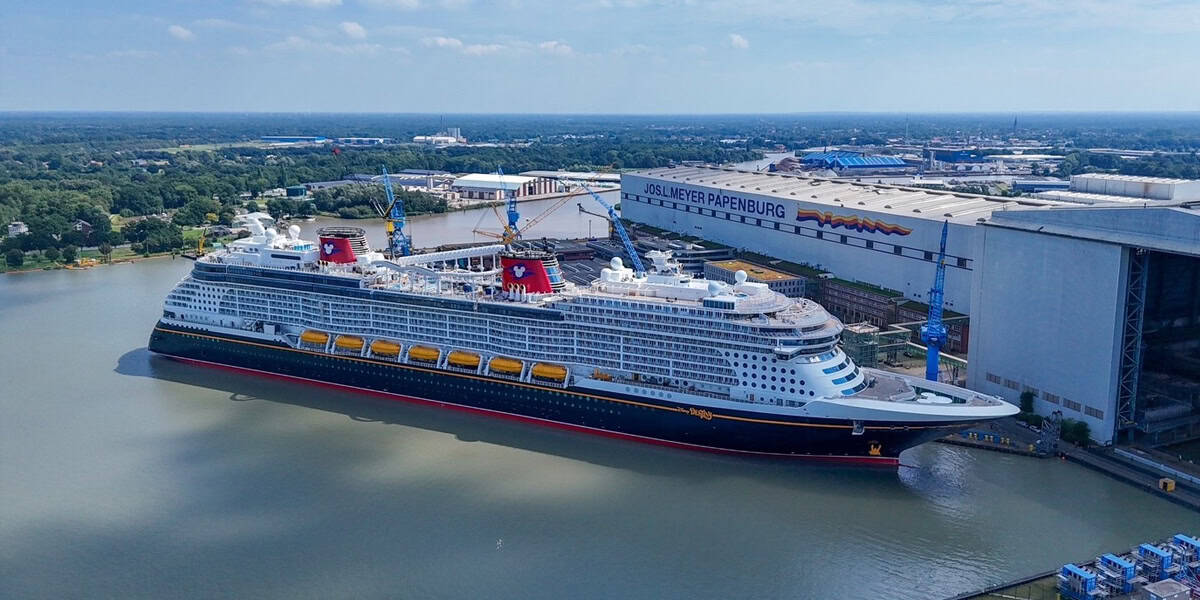
Similar concerns recently surfaced aboard the Disney Adventure cruise ship in Singapore, where guests reported stomach illnesses that prompted an investigation by the Singapore Food Agency.
Public health agencies emphasize that simple precautions remain the most effective defense.
Frequent handwashing with soap and water is widely considered the best protection against norovirus. Alcohol-based hand sanitizer is less effective against the virus, making proper washing especially important after touching shared surfaces.
Experts also recommend avoiding touching the face, washing hands before eating, and staying hydrated during long park days.
Have you ever fallen ill after visiting a Disney park?