

March 18, 2026, marked the official end of an era. At The Walt Disney Company’s Annual Shareholder Meeting, the baton was formally passed: Josh D’Amaro has officially taken the title of Chief Executive Officer. As D’Amaro moves into the corner office at Burbank, he doesn't just inherit a media empire; he inherits the monumental, complicated, and occasionally polarizing shadow of Bob Iger.

After twenty years (broken by a brief, ill-fated “retirement”), Iger is transitioning to a Senior Advisor role until his final exit on December 31. He leaves behind a company that he fundamentally rebuilt from the ground up—but as the “D’Amaro Era” begins, the industry is asking: Was Iger the greatest CEO in Disney’s history, or the man who stayed just a few years too long?
The Architect of the Impossible: The Four Acquisitions
To understand Bob Iger’s legacy, you have to remember the Disney of 2005. The animation studio was in a slump, the relationship with Steve Jobs was radioactive, and the company was reeling from the “Save Disney” revolt against Michael Eisner.

Iger’s primary legacy will always be his role as the Ultimate Collector. He understood that in a fragmented digital world, characters are the only currency that matters. Through four “Big Bang” acquisitions, he transformed Disney into a global content juggernaut:
- Pixar (2006): Mended the rift with Apple and saved Disney Animation.
- Marvel (2009): Turned a “niche” comic brand into the $30 billion MCU powerhouse.
- Lucasfilm (2012): Brought Star Wars under the Mouse’s roof, leading to record-breaking box offices and the creation of Galaxy’s Edge.
- 21st Century Fox (2019): A massive $71 billion gamble that brought the X-Men, Avatar, and The Simpsons home, providing the “ammunition” for the streaming wars.
Through these deals, Iger didn't just grow Disney; he changed Hollywood's DNA. He proved that “Big IP” is the only true safety net in a disruptive market.
The Streaming Gamble: Disney+ and the Pivot to Tech
If the acquisitions were about what people watch, Disney+ was about how they watch it. Launched in 2019, the streaming service was Iger’s attempt to future-proof the company against the death of cable.
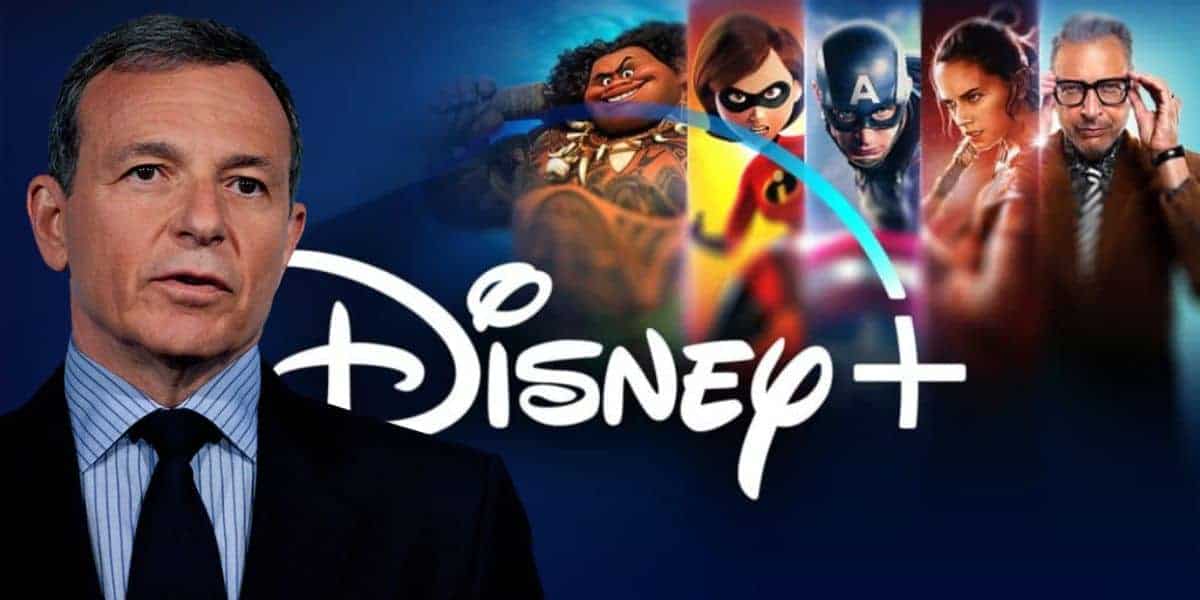
While it reached 100 million subscribers faster than anyone predicted, the pivot to streaming remains a complex part of his legacy. The “growth at all costs” model led to multi-billion dollar losses during the early 2020s, forcing Iger to spend his final three years (2023–2026) slashing costs, laying off thousands, and raising subscription prices. As he hands the keys to D'Amaro today, Disney+ is finally nearing consistent profitability, but the cost to the company’s traditional TV margins has been steep.
The Succession Saga: His Only Real Blunder?
For all his strategic genius, Iger struggled with the one thing every great leader must do: leaving. His multiple retirement delays and the handpicked (but ultimately disastrous) selection of Bob Chapek in 2020 created a period of instability that nearly derailed the brand.

His return in late 2022 was billed as a “rescue mission,” and to his credit, he stabilized the ship. He fended off activist investors like Nelson Peltz and orchestrated the 2026 box office rebound (led by Zootopia 2 and Avatar 3). However, the “succession drama” will likely be the primary critique in his legacy—a reminder that even the most legendary architects can find it difficult to step away from the house they built.
The D’Amaro Era Begins: Why Now?
As Josh D’Amaro takes the stage today, he represents a “Third Way” for Disney. Unlike Chapek (who was viewed as a “bean counter”) or Iger (the “Hollywood Mogul”), D’Amaro is a “Park-Tested” leader.

Known for his high visibility in the theme parks and his deep relationship with the “Disney fans,” D'Amaro is paired with the newly promoted Dana Walden (President and Chief Creative Officer). This duo—operational grit from Josh and creative instinct from Dana—is Disney’s bet on a more balanced future. D'Amaro’s first tasks as CEO are already clear: navigating the $60 billion expansion of the parks and integrating AI technology (like the recent OpenAI partnership) into Disney’s storytelling without losing the “human touch.”
Conclusion: The Last Great Mogul
Bob Iger leaves Disney as the man who turned a “cartoon studio” into the dominant cultural force of the 21st century. He was a leader who valued creativity, embraced technology, and fundamentally understood the power of a brand.

As Josh D’Amaro begins his tenure today, March 18, 2026, he isn't just taking over a company; he is taking over a cultural institution. Bob Iger built the kingdom. Now, it’s up to D’Amaro to make sure the magic still works in a digital world.
Do you think Josh D’Amaro is the right leader to guide Disney into the age of AI? What do you think was Bob Iger’s greatest achievement? Let us know in the comments below!