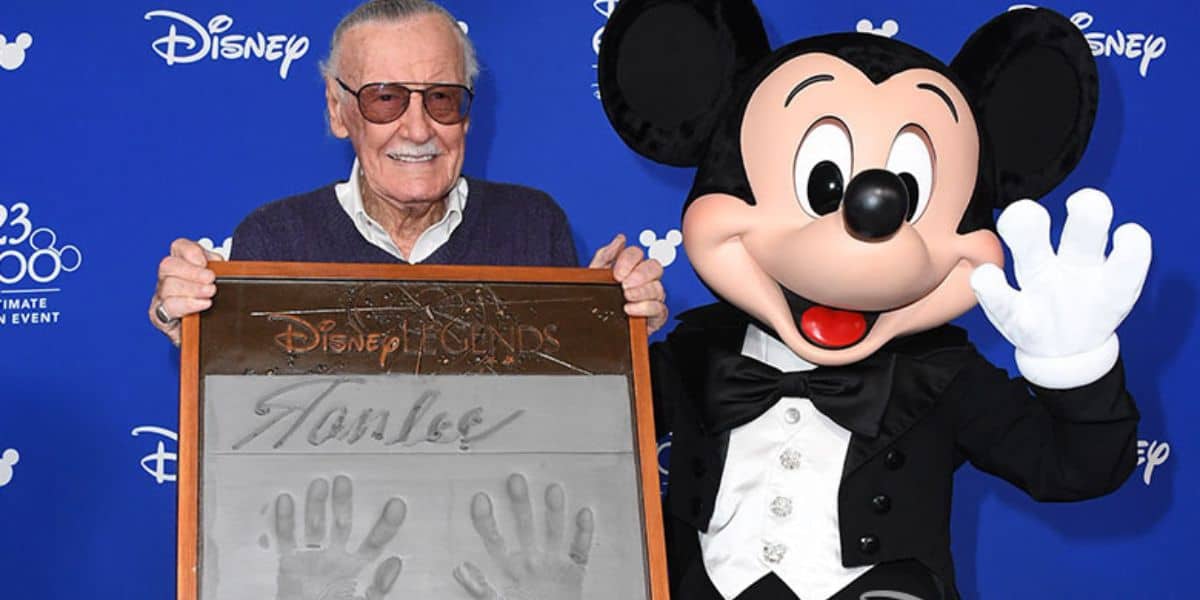
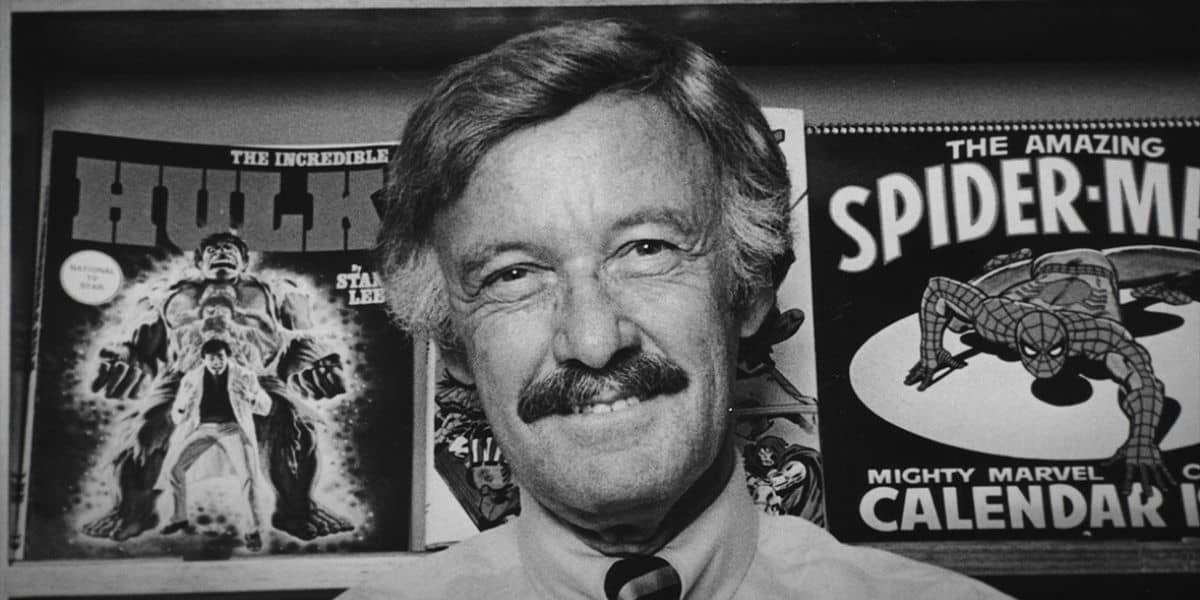
For decades, Stan Lee was the undisputed king of comic conventions, thrilling fans with his charisma, energy, and legendary presence. Now, nearly seven years after his death at the age of 95, the Marvel icon is set to “return” to the convention scene—this time in a digital form. L.A. Comic Con will feature an AI-powered hologram of Lee, allowing attendees to interact with the late creator in a way never seen before.
The Legend Revived
Fans who visit the Stan Lee Experience will enter a 1,500-square-foot enclosed booth where the hologram will bring the comic book legend back to life. Tickets for the experience range from $15 to $20, depending on whether they are purchased in advance. Similar to meeting a celebrity in person, attendees will have opportunities to pay for photos with the hologram or engage in a three-minute, one-on-one conversation with the AI recreation of Lee.
The announcement has ignited a wave of criticism and concern from fans, many of whom view the hologram as an unsettling commercialization of Lee’s legacy. One fan voiced their reaction online:
I feel bad for Stan Lee. Even in death he isn't safe from being exploited. I wish i got to meet him when he was alive, but i'll never stoop this low to meet a fake like this.
I feel bad for Stan Lee. Even in death he isn't safe from being exploited. I wish i got to meet him when he was alive, but i'll never stoop this low to meet a fake like this.
— Ethereal Wind (@NSilverwind) September 20, 2025
Is This Crossing a Line?
While the Stan Lee Experience is presented as a celebration of the late creator’s contributions to comics and pop culture, critics argue that monetizing interactions with a digital version of someone who has passed crosses an ethical line. The AI hologram is designed to simulate conversations with fans, blurring the boundary between homage and exploitation.

Despite the backlash, L.A. Comic Con organizers defend the experience, claiming it is meant to honor Lee’s enduring influence on generations of fans. However, the move raises broader questions about the ethics of posthumous AI recreations and the commercialization of deceased celebrities, particularly within fan-driven spaces like comic conventions.
As discussions around the hologram continue, it seems certain that Stan Lee’s digital presence will provoke both excitement and controversy, much like the legendary creator did during his lifetime. Fans will have the opportunity to experience the hologram firsthand, sparking debate over whether this AI tribute truly honors Lee’s legacy or risks exploiting it.