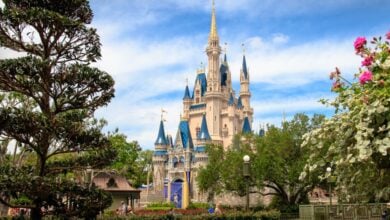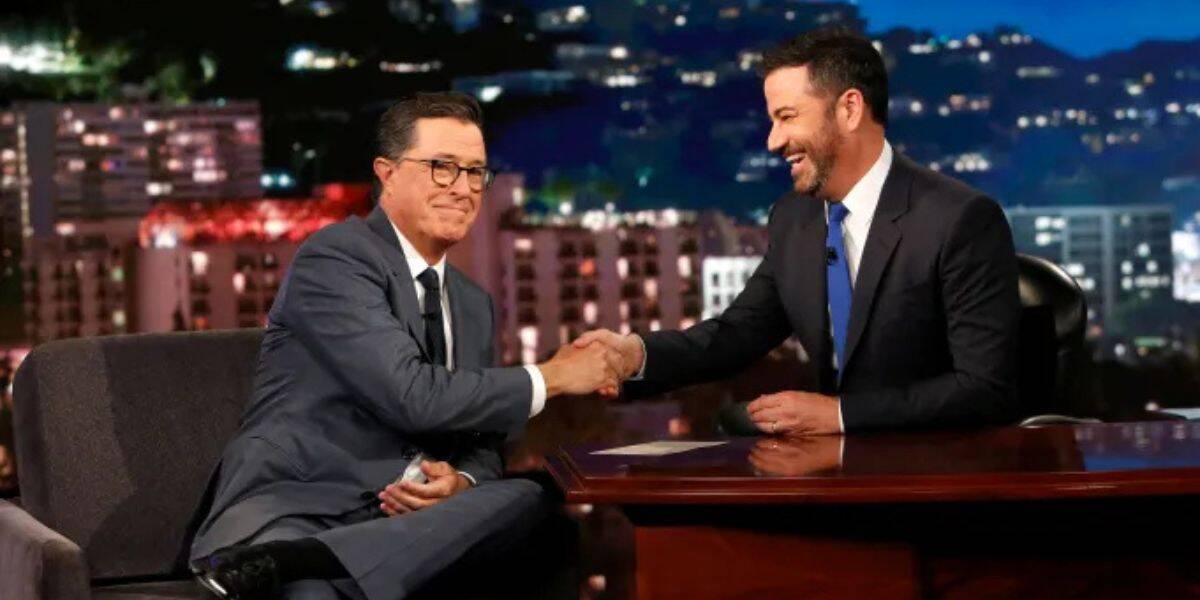
Legal Strategy in Response to Kimmel's Return
Disney's legal team proactively consulted experts before reinstating late-night host Jimmy Kimmel on its ABC network. This preemptive measure came as tensions mounted with the Trump Administration. Disney executives expressed concerns over potential repercussions, prompting discussions with legal professionals about possible outcomes. Their assessments provided assurances that the company could successfully defend its broadcasting rights if faced with any legal challenges from the Trump Administration.
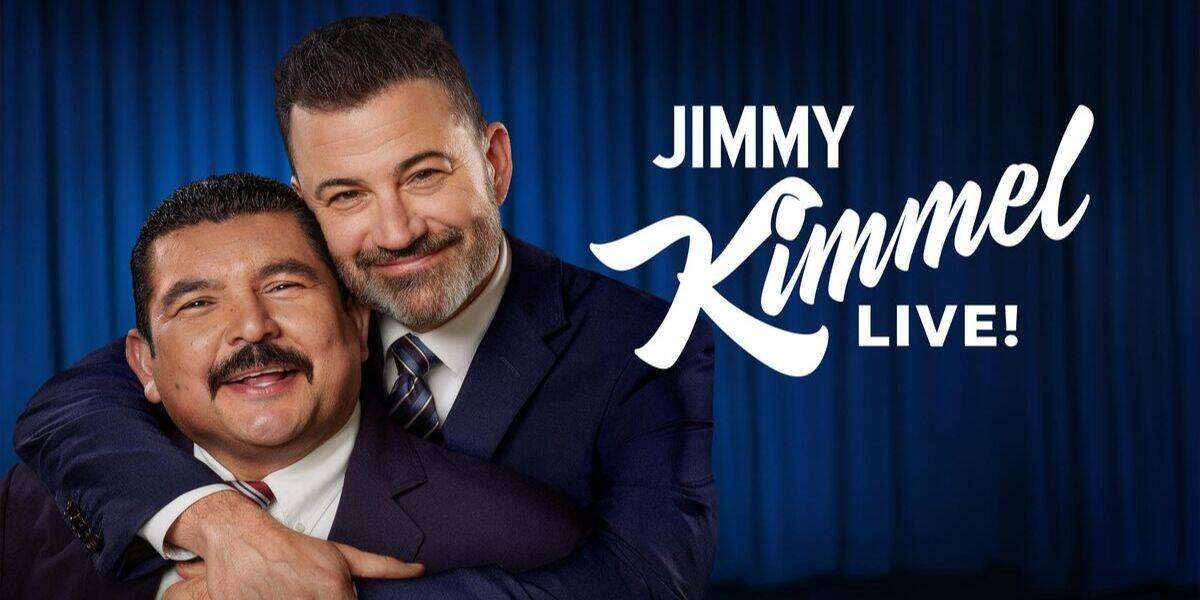
The risks accompanying Kimmel's return include threats to ABC's broadcasting license, a critical aspect of Disney's operations. Legal analysts pointed out that Disney remains wary despite a strong constitutional basis for broadcasters to maintain their licenses. The legal dialogue underscored Disney's complexities in an environment where political narratives can quickly escalate into significant legal confrontations.
Political Ramifications of Kimmel's Presence
Tensions heightened when former President Trump threatened ABC following Kimmel's return to television. He intended to scrutinize the network's operations, framing his comments as challenging Disney's decisions. Trump's rhetoric has often included threats around business dealings, and in this context, his remarks signal a willingness to leverage political power against what he perceives as unfavorable media coverage.

Adding to Disney's unease, FCC Chair Brendan Carr warned broadcasters about the potential fallout from airing Kimmel's show. His comments suggested that airing Kimmel could jeopardize broadcasting licenses, creating an atmosphere of fear among media companies regarding political interference. The combination of Trump's threats and Carr's admonitions paints a picture of a media landscape increasingly vulnerable to political pushback.
Background of Kimmel's Suspension
The catalyst for Kimmel's short suspension revolved around critical remarks he made regarding specific political figures, which captured the attention of the Trump Administration. Following these comments, Carr warned ABC affiliates to reconsider airing Kimmel's program. This critique prompted rapid decisions from major broadcasting groups, with prominent affiliates like Nexstar opting to pull Kimmel from their lineups.
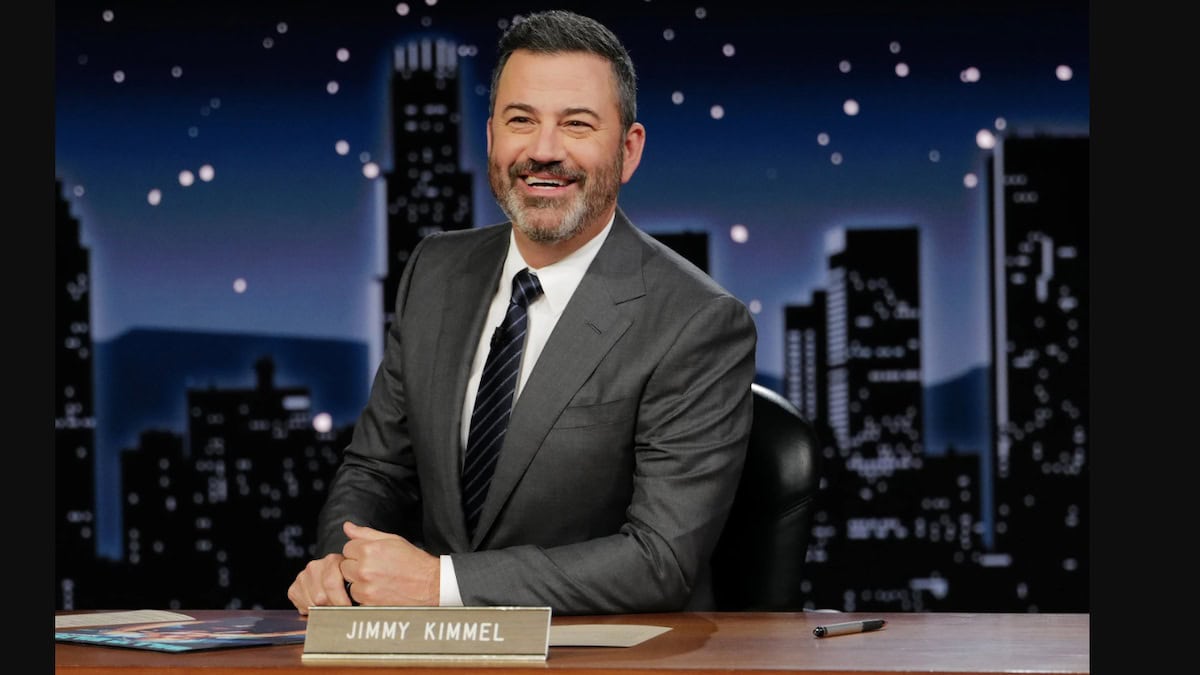
Amid growing media pressure and external calls for accountability, Disney's leadership felt compelled to act. Although many executives believed Kimmel's suspension was unwarranted, the fear of financial repercussions and viewer backlash influenced their decision.
Ultimately, public protests advocating for Kimmel's return forced Disney's hand. Kimmel was reinstated after a brief hiatus, although some major affiliates took longer to welcome him back, illustrating the ongoing tensions within the media landscape.
Future Challenges for Disney
As the situation develops, Disney is bracing for potential legal battles resulting from the Trump Administration's stance. The looming threat of retaliation could divert the company’s focus from core business operations. Legal confrontations could consume significant time and resources, particularly given the unpredictable nature of legal encounters with a politically engaged administration.

Moreover, the evolving relationship between Disney and government entities may require the company to reassess programming content across its networks. The potential for political retribution could inspire media outlets to self-censor, affecting the content landscape and stifling free expression. As Disney navigates these turbulent waters, maintaining a productive relationship with the government will be crucial.
In conclusion, Disney’s return of Jimmy Kimmel to the airwaves marks a pivotal moment laden with political implications. The company must contend with potential repercussions from the Trump Administration while striving to uphold its broadcasting integrity amidst external pressures. The aftermath of Kimmel’s controversial return will undoubtedly impact not just Disney but the greater media industry's interaction with political forces in the future.