
In the world of theme parks, the “big drop” is usually the highlight of the ride. But for shareholders of Six Flags Entertainment Corp. (NYSE: FUN), the recent financial plunge has been anything but a thrill. On March 17, 2026, the activist investment firm JANA Partners released a blistering open letter that essentially told the company’s board: The ride is broken—it’s time to sell.
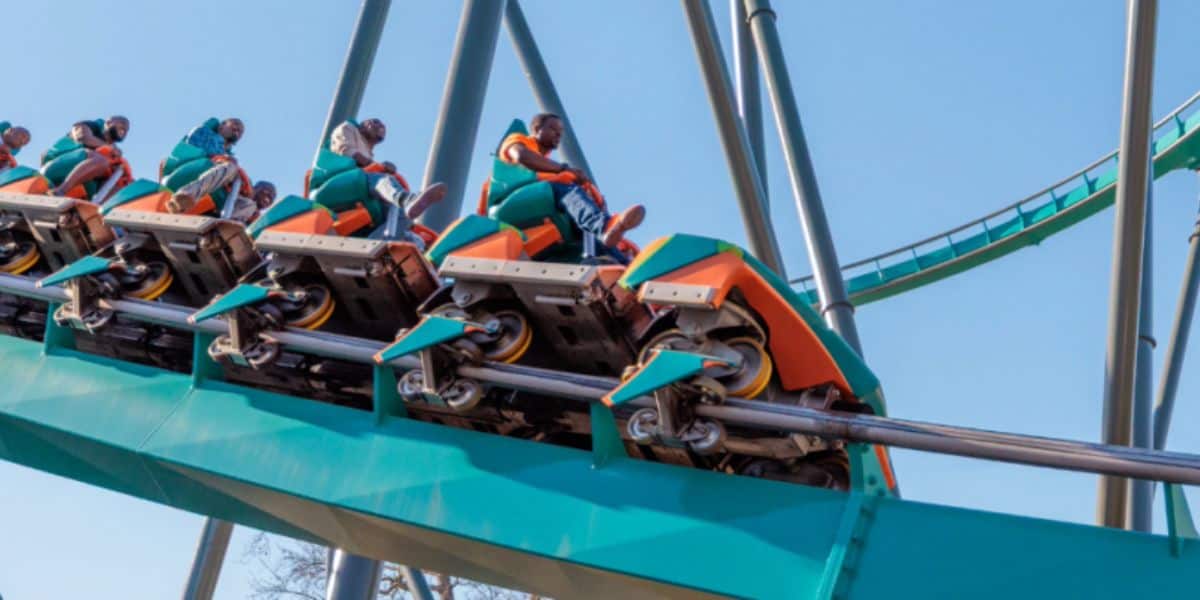
JANA’s Managing Partner, Scott Ostfeld, didn’t mince words, describing the company’s recent performance as “vomit-inducing.” With a staggering $5.2 billion debt load and a stock price that has cratered from a post-merger high of $60 down to roughly $16.50, the activist firm is demanding a total strategic pivot, including a full sale of the company and a leadership overhaul at the board level.
New Management in the Hot Seat
While the 2024 merger between Cedar Fair and Six Flags was supposed to create an unstoppable regional powerhouse, the “New Six Flags” has struggled with its identity. The leadership team is currently in a state of transition:

- John Reilly, the former SeaWorld executive, took over as President and CEO in December 2025. He replaced Richard Zimmerman, the architect of the merger, who resigned from his executive and board positions at the end of last year.
- Marilyn Spiegel, a hospitality veteran, stepped in as Chairperson of the Board on January 1, 2026.
Despite the fresh faces, JANA Partners argues that the board, led by Spiegel, has presided over a “lost year” of integration. The activist firm, which holds a 9% stake in the company, believes the current leadership is incapable of closing the massive valuation gap that has left the stock trading at a fraction of its true worth.
The “Fire Sale” Strategy: Selling the Silver
In an effort to stabilize the balance sheet before JANA went public with its demands, the Six Flags board authorized what many are calling a “fire sale.” On March 5, 2026, the company announced it was selling seven of its regional parks to EPR Properties for $331 million in cash.
The list of parks being offloaded includes several community staples:
- Valleyfair (Minnesota)
- Worlds of Fun (Missouri)
- Michigan's Adventure (Michigan)
- Six Flags St. Louis (Missouri)
- Six Flags Great Escape (New York)
- Six Flags La Ronde (Quebec)
- Schlitterbahn Waterpark Galveston (Texas)
While CEO John Reilly framed the divestiture as a move to focus on “high-return flagship properties,” JANA Partners was unimpressed. They labeled the deal a “bits-and-pieces” disposal, arguing that management is selling off core assets at “tangerine prices” rather than maximizing the value of the entire platform through a full-company sale.
The Problems Facing the Coaster Giant
Why is JANA so desperate for a sale? The issues facing Six Flags in 2026 go beyond just a low stock price:
- The Debt Trap: Servicing $5.2 billion in debt in a high-interest-rate environment has effectively handcuffed the company's ability to innovate.
- The “Premiumization” Backlash: The company’s attempts to raise prices to drive “per-capita” spending have alienated its core middle-class audience, leading to “ghost town” conditions at several legacy parks.
- Integration Inertia: Two years after the Cedar Fair merger, the promised $200 million in annual synergies remain largely invisible to investors.
Even the addition of NFL star Travis Kelce as a brand ambassador and investor hasn't been enough to distract Wall Street from the underlying rot. JANA suggests that while Kelce brings “star power,” the company needs “board power”—specifically leaders with a track record of successfully exiting underperforming investments.
Conclusion: A Proxy War Looms
Marilyn Spiegel and the Six Flags board are now at a crossroads. They can engage with JANA Partners and explore a full sale to a private equity giant like Blackstone or Apollo, or they can hunker down for a costly and distracting proxy war.

As we head into the peak of the 2026 summer season, the “Thrill Capital of the World” is providing more drama in the boardroom than on its coasters. For the millions of fans who call these parks their summer home, the hope is that the focus eventually returns to the guest experience—no matter who owns the land.