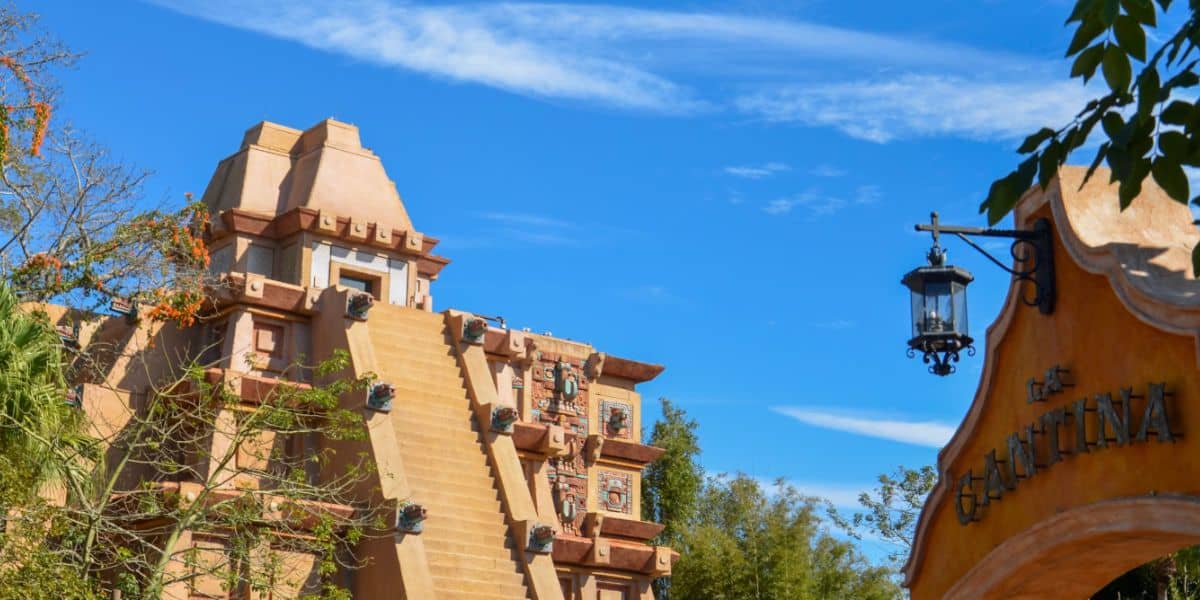
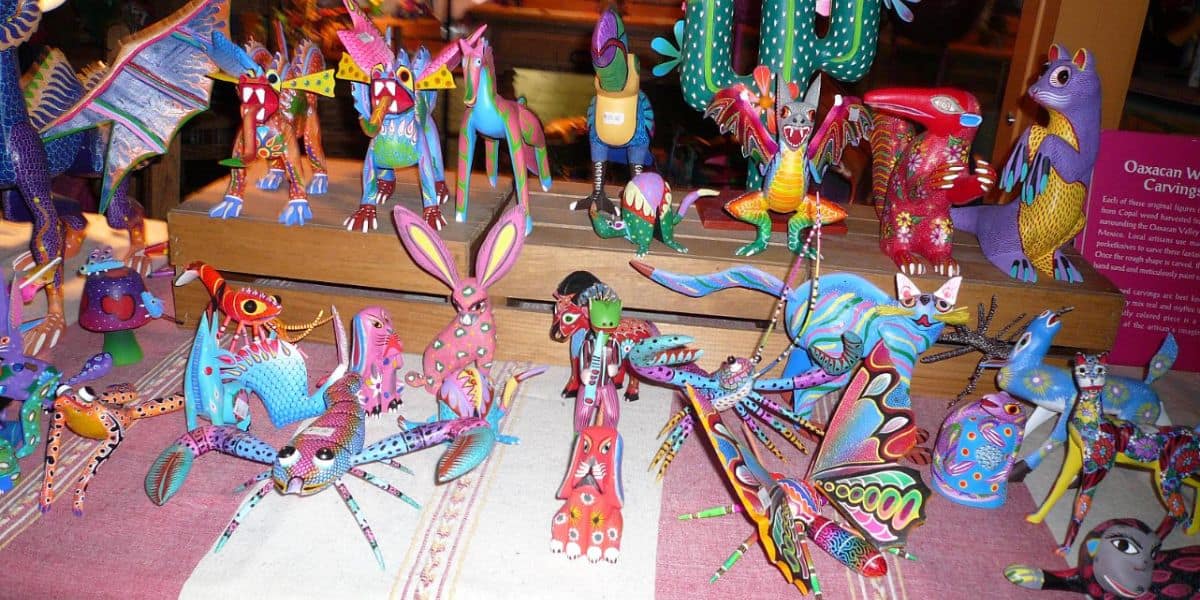
On August 31, 2026, a quiet closure inside EPCOT’s Mexico Pavilion signaled a tragic turning point for Walt Disney World. For 24 years, master artisan Alba Hernandez Santiago sat inside Plaza de los Amigos, hand-painting Oaxacan wood carvings known as alebrijes. Trained in Arrazola, Mexico, Santiago brought authentic cultural heritage directly to parkgoers.

Then, with almost no warning, Disney placed the shop on a 50% liquidation sale and shut it down permanently. The adjacent Kidcot cultural station was roped off shortly after. Insiders expect the space to become a queue overflow for La Cava del Tequila, the pavilion’s wildly popular bar.
Santiago’s exit was not just an operational tweak; it marked the official extinction of resident craftspeople in World Showcase. EPCOT’s founding mission as an educational, permanent World’s Fair has been systematically dismantled, replaced by an adult playground driven by alcohol sales, festival kiosks, and Disney movie franchises.
The Systematic Purge of World Showcase Artisans
When EPCOT opened in 1982, its core appeal was human connection. Guests walked around World Showcase Lagoon not just to buy mass-produced souvenirs, but to meet international ambassadors and watch master craftspeople demonstrate centuries-old traditions. Over the past 15 years, Disney has methodically eliminated these resident artisans:
- Germany’s Egg Painter (2012): Opening-day cast member Jutta Levasseur spent three decades painting intricate East German Sorbian designs on eggs. When she was removed, her alcove was quietly cleared.
- Japan’s Candy Sculptor (2013): Miyuki Sugimori mesmerized crowds by sculpting warm rice candy into delicate animals (amezaiku). Following restrictive health regulations, Sugimori retired and was never replaced.
- Morocco’s Royal Craftsmanship (2020): Built in 1984 with the help of 21 Moroccan artisans sent by King Hassan II, the Morocco Pavilion was a marvel of authentic tilework and carved plaster. When Disney took over operations in 2020, it closed the authentic craft shops and converted the space into a meet-and-greet for Aladdin, a fictional character from Agrabah.
With Santiago gone in August 2026, the last living cultural anchor in World Showcase has been erased.
From Cultural Exchange to the World's Biggest Bar
As authentic cultural representatives disappeared, alcohol sales moved to the center of Disney’s business strategy. What began as an informal fan pastime—“Drinking Around the World”—is now aggressively monetized by corporate leadership.
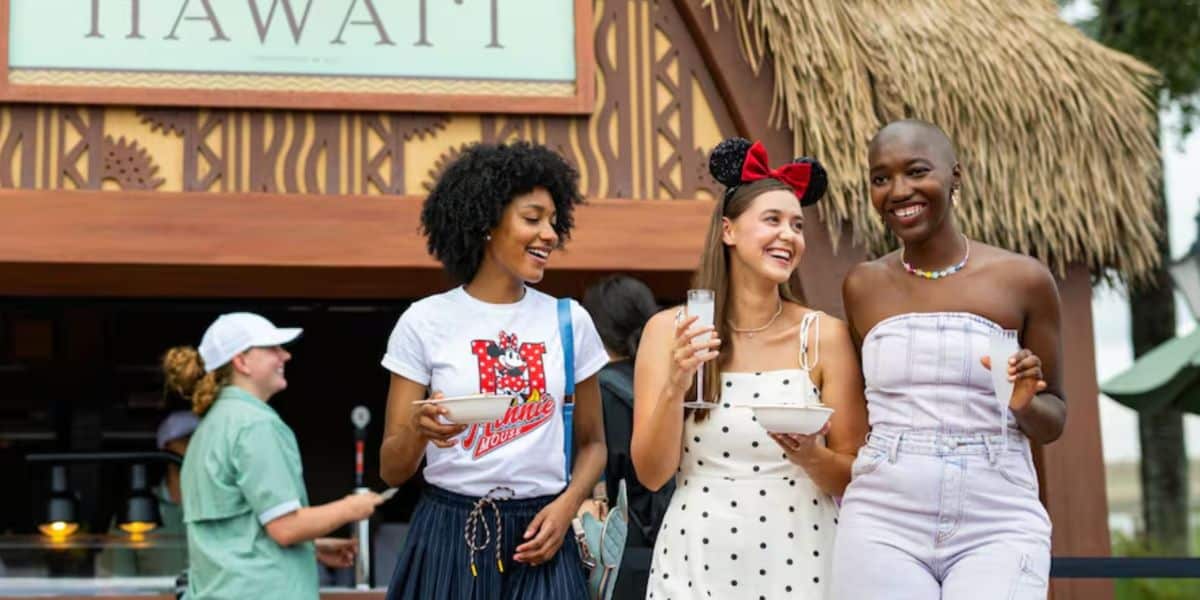
EPCOT now operates under a near-constant festival calendar. Between Food & Wine, Flower & Garden, Festival of the Arts, and Festival of the Holidays, temporary food and beverage kiosks line the promenade for roughly 300 days a year. While the culinary options are vast, a substantial portion of festival space is dedicated to high-margin specialty cocktails, craft beer flights, and wine pours.
Space once reserved for quiet cultural exhibits and artisan benches has been repurposed for drink stands and overflow barbecue queues. On weekend evenings, World Showcase often feels less like an international cultural showcase and more like a crowded nightlife district packed with bachelor parties and matching “Drinking Team” shirts.
Rewriting Real-World Heritage with Corporate IP
Hand-in-hand with alcohol monetization is Disney’s push to replace real-world history with animated movie intellectual property (IP):
- Norway: The educational Maelstrom boat ride, which explored Viking legend and modern Scandinavian industry, was replaced by Frozen Ever After, which converted a real country into the fictional Arendelle.
- France: The pavilion's expansion was anchored not by French architectural history, but by Remy’s Ratatouille Adventure.
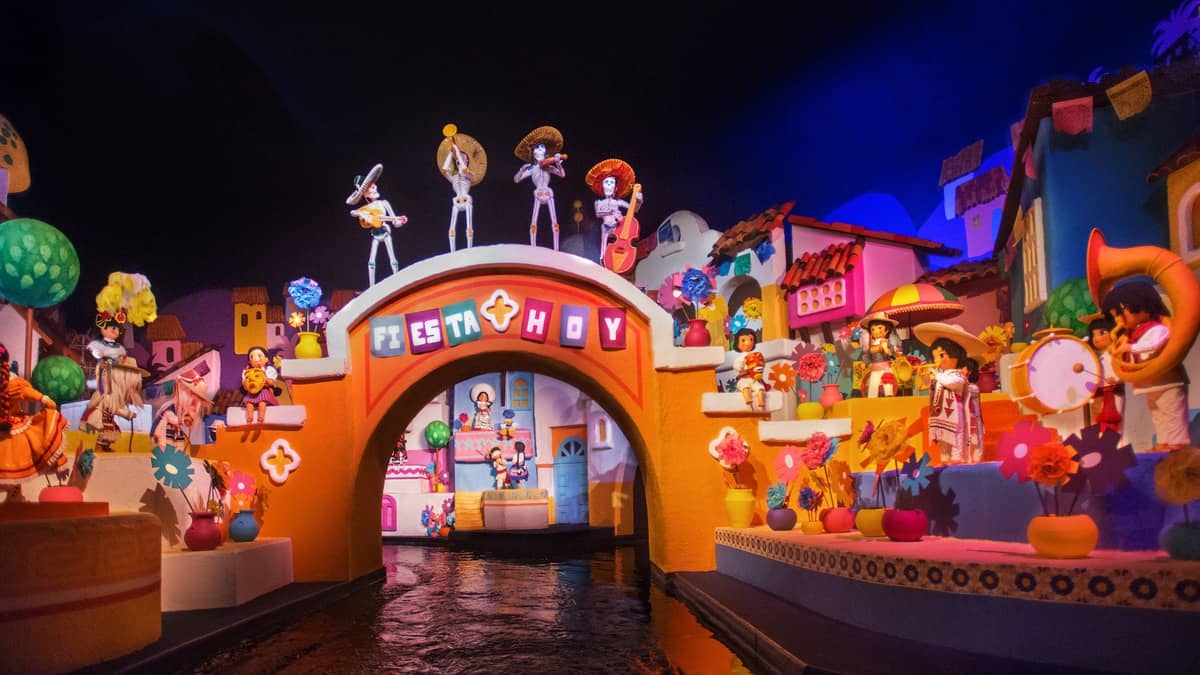
- Mexico: The Gran Fiesta Tour relies heavily on The Three Caballeros.
- World Discovery: Original scientific exhibits from Future World were replaced by Guardians of the Galaxy: Cosmic Rewind.
While these rides are technologically impressive, they alter EPCOT's fundamental premise. Instead of using the park to broaden horizons and teach guests about real nations, Disney has turned World Showcase into a marketing vehicle for its movie catalog.
A Lasting Shift in Park Identity
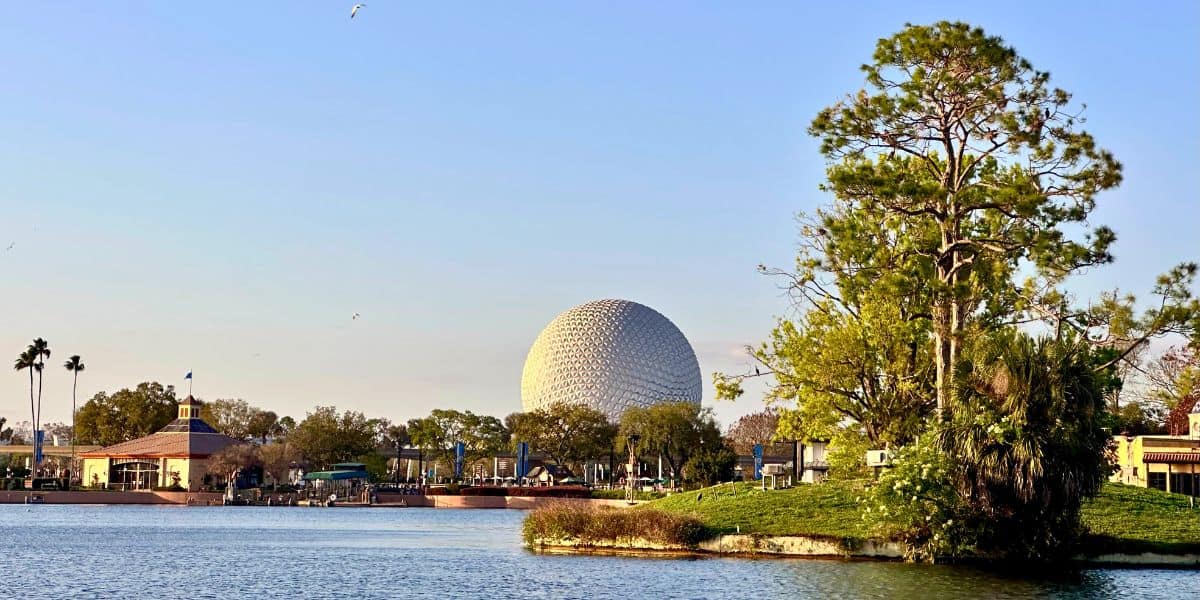
EPCOT was built on a bold idea: that a theme park could treat its audience with curiosity and respect, proving that meeting an international artisan was just as exciting as riding a coaster. By replacing master craftspeople with tequila bar queues and swapping real history for movie characters, Disney has traded long-term cultural legacy for short-term beverage margins. World Showcase remains visually stunning, but an expensive bar crawl has replaced its soul.