Sinclair's Demands for Regulatory Action
Sinclair Broadcasting CEO Chris Ripley has formally requested an investigation into The Walt Disney Company's practices regarding its negotiations with YouTube TV. He has urged the Federal Communications Commission (FCC) and, potentially, the Department of Justice (DOJ) to scrutinize Disney's actions, which he believes undermine the rights of local broadcasters and raise antitrust concerns. Ripley asserts that the current market dynamics favor larger entities, such as Disney, at the expense of smaller, local broadcasters like Sinclair.
Ripley emphasized that local broadcasters lack control over the distribution of their own content, stating, “We, as local broadcasters, have no say in whether our content and the content we pay to air will be distributed to local viewers.” This sentiment highlights an increasing frustration among local broadcasters about diminishing negotiation power and potential regulatory oversights that may need to be addressed.
YouTube TV and Disney's Channel Dispute
The ongoing dispute between Disney and YouTube TV has led to a blackout of Disney-owned channels, resulting in severe repercussions for subscribers and broadcasting partners alike. With approximately 10 million subscribers currently lacking access to crucial networks such as ESPN, the financial implications for Disney are considerable. Estimates indicate that Disney is losing close to $5 million daily due to this negotiation stalemate.

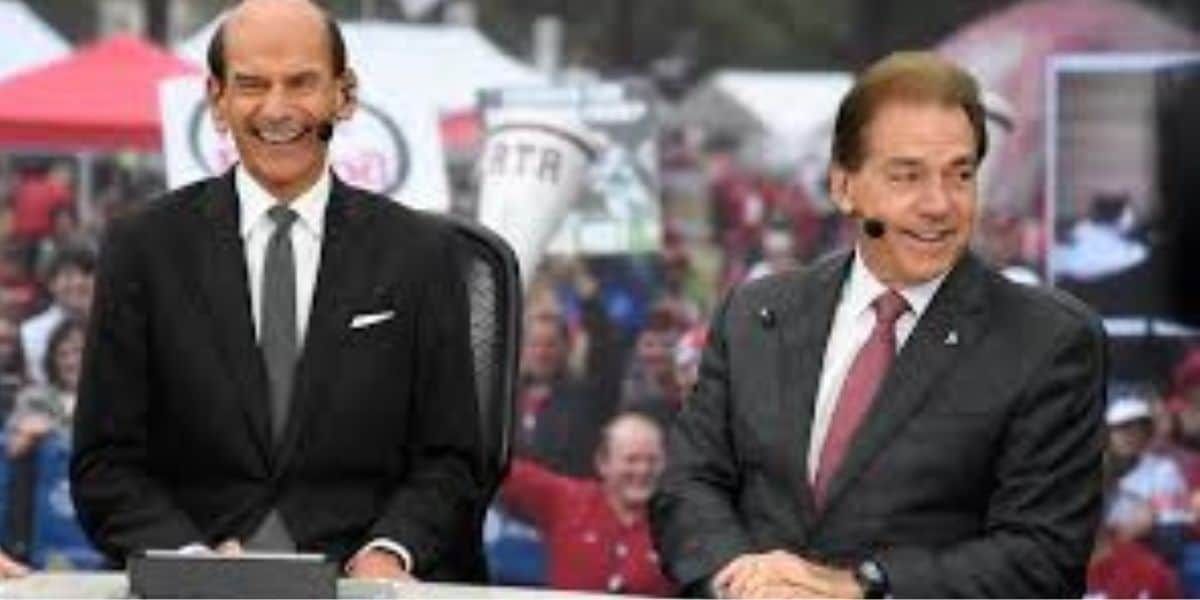
Sinclair Broadcasting is particularly affected by this blackout, as it heavily relies on viewership from sports events that are disrupted due to the channel's unavailability. Significant events such as college football games and NFL broadcasts have not reached their anticipated audience numbers. Reports estimate that ESPN's College Gameday lost approximately 2.5 million viewers during this blackout, which also impacted Sinclair's bottom line.
Historical Tensions Between Sinclair and Disney
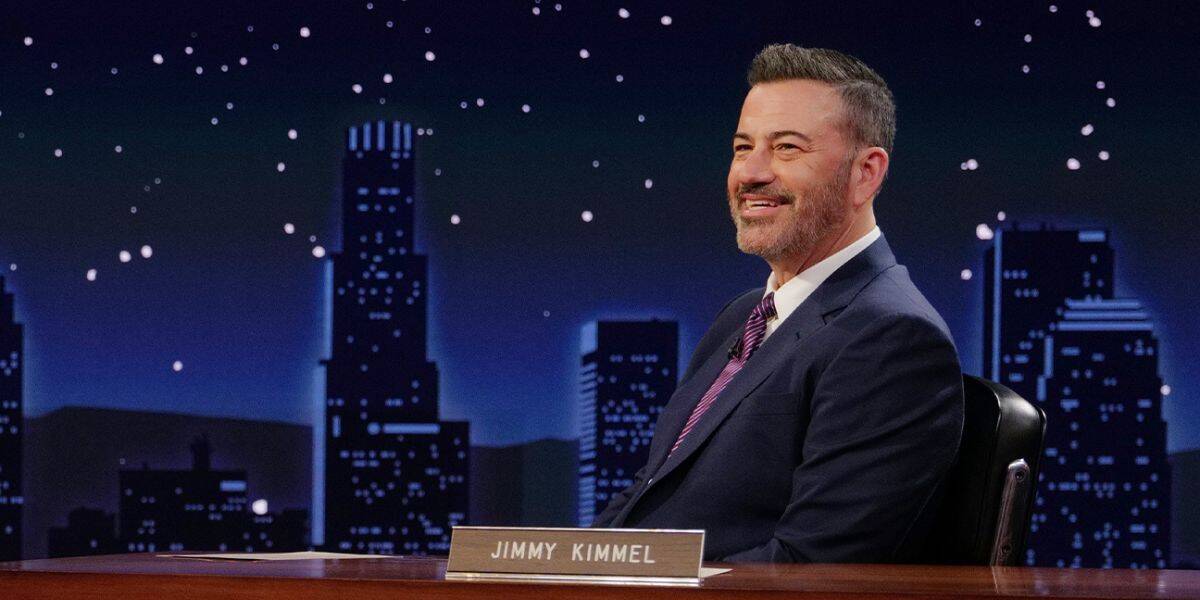
The conflict between Sinclair and Disney is not a new phenomenon. Prior disagreements included the controversial removal and later reinstatement of Jimmy Kimmel's late-night show from Sinclair's ABC affiliates. Sinclair had demanded accountability and a formal apology from Kimmel before allowing the show to return to the air. Though Kimmel eventually returned, the incident raised concerns about content control and corporate influence in media relations.
These historical tensions underline the ongoing struggle between major media corporations. Despite Sinclair's considerable clout as the owner of 294 television stations across the United States, its standing is challenged by Disney's dominance in content creation and distribution. The feud highlights a growing disparity between probustnetworks and their local affiliates, who navigate complex relationships.
Potential Industry-Wide Consequences
The implications of this dispute extend beyond Sinclair and Disney, potentially reshaping the future of broadcast television as a whole. If regulatory bodies such as the FCC and DOJ respond to Ripley's call, there could be significant changes in how media relationships and distribution practices are governed. The current standoff highlights critical issues surrounding content accessibility, consumer choices, and the negotiation power of broadcasters.

As media companies grapple with the transition to a predominantly digital landscape dominated by streaming platforms, such as YouTube TV, traditional broadcasters may find themselves at a crossroads. With events like the Disney-YouTube TV dispute serving as a flashpoint, the industry may witness shifts in operational practices that could redefine interactions between corporations.
The Sinclair-DISNEY feud serves as a reminder that balancing power dynamics in media is not only about negotiating fees but also about controlling content and maintaining a fair platform for all broadcasters. As both Sinclair Broadcasting and Disney navigate a potential regulatory review, the outcomes will likely be crucial in determining how media companies negotiate terms moving forward.