There’s a certain rhythm to theme parks that longtime fans can feel—even if they can’t always explain it. It’s in the way operations flow, how rides are maintained, and how experiences evolve over time. For decades, leadership at individual parks has played a quiet but critical role in shaping that rhythm.
Now, something is shifting again at Six Flags—and fans are starting to take notice.
At first glance, the latest leadership announcement may seem like just another corporate adjustment. But beneath the surface, it could signal a much larger transformation for some of the company’s most recognizable destinations.
And if you’ve been paying attention, the timing feels anything but accidental.

A Surprising Leadership Shift Raises Bigger Questions About Six Flags’ Direction
In a move that’s already sparking conversation, Six Flags has announced the return of park presidents to 10 key locations across its portfolio.
This comes less than a year after the company eliminated those same roles in May 2025, opting instead for a regional leadership structure following its massive $8 billion merger with Cedar Fair.
Fans are noticing the reversal.
At the time, the shift toward centralized control was framed as a way to streamline operations and improve efficiency. Regional vice presidents would oversee multiple parks, ensuring consistency across the brand.
Now, the company appears to be walking that back—at least in its most important markets.
Which raises the obvious question: why now?

Familiar Faces Returning to Power Could Signal a Renewed Focus on Park Identity
One of the most striking aspects of this announcement is how many familiar names are stepping back into leadership roles.
At Knott's Berry Farm, Raffi Kaprelyan returns as park president—someone who already understands the park’s unique identity and guest expectations. Meanwhile, Cedar Point sees Colleen Brady step into the role after years of on-the-ground leadership experience.
Elsewhere, leaders at Kings Island and Six Flags Great Adventure are essentially maintaining continuity, shifting titles rather than changing direction.
Guests are already reacting to what feels like a return to something more personal.
For years, park presidents have acted as the face of their respective locations—shaping decisions based on local audiences rather than corporate mandates. Bringing them back could mean a renewed emphasis on individuality across parks that have sometimes felt increasingly standardized.

This Move May Hint at a Deeper Operational Overhaul Behind the Scenes
Six Flags CEO John Reilly described the change as a way to “put leadership, expertise and accountability as close to our guests and team members as possible.”
That wording matters.
It suggests that the centralized model—while efficient on paper—may not have delivered the guest experience improvements the company hoped for.
A surprising change like this often points to internal recalibration. When a company reinstates roles it previously eliminated, it’s rarely just symbolic—it’s strategic.
Fans are beginning to connect the dots.
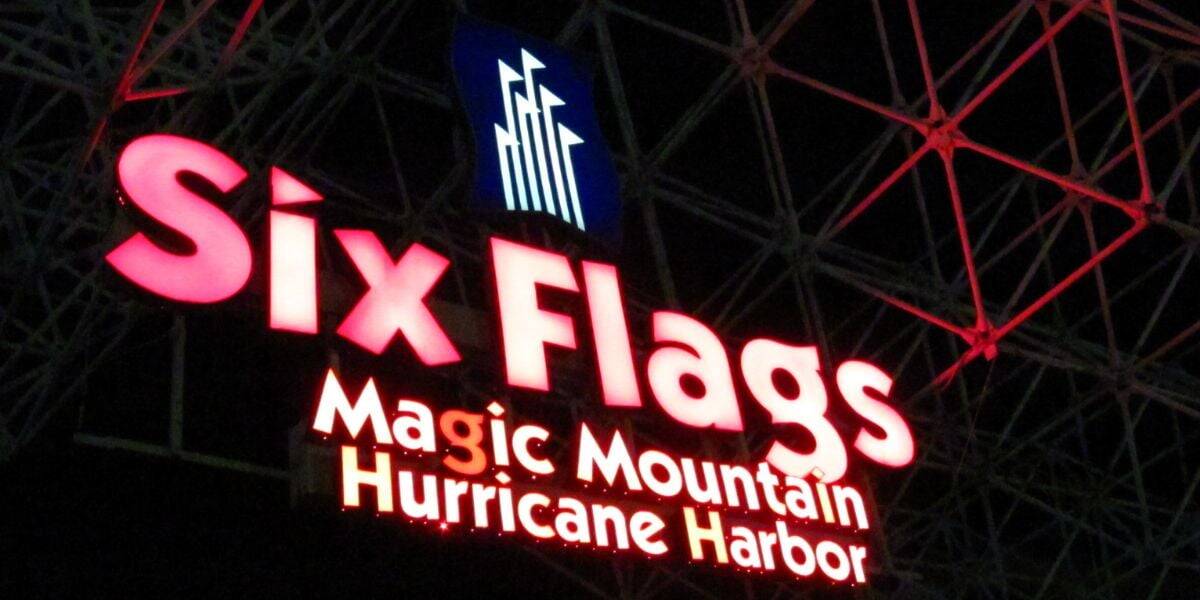
With major parks like Six Flags Magic Mountain and Carowinds included in this shift, the focus appears to be on high-performing or high-visibility locations.
That could mean targeted investments, operational tweaks, or even larger-scale changes are on the horizon.

Not Every Park Is Included—and That Distinction Could Matter
While 10 parks are receiving dedicated presidents, nine smaller locations will continue operating under park managers and regional oversight.
That divide hasn’t gone unnoticed.
Parks like Six Flags Fiesta Texas and Six Flags New England will remain under the streamlined structure, suggesting a tiered approach to leadership moving forward.
Guests are already speculating about what this means long-term.
Does this signal a focus on flagship parks while others receive fewer resources? Or is this simply a testing ground for a broader rollout?
There’s also the looming closure of California's Great America, adding another layer of uncertainty about how Six Flags is prioritizing its portfolio.

What This Could Mean for Guests Visiting Six Flags Parks in the Near Future
For guests, leadership changes don’t always feel immediate—but their effects often show up in subtle, meaningful ways.
Fans are noticing that parks with strong, localized leadership tend to deliver more consistent operations, clearer vision, and more responsive guest experiences.
If this shift truly empowers park presidents to make faster, more localized decisions, visitors could start seeing improvements in everything from ride uptime to seasonal events and park-specific investments.
At the same time, the move suggests Six Flags is still figuring out how to balance scale with individuality after its merger.
That tension—between corporate efficiency and park-level personality—may ultimately define the next era of the company.
And for guests, that’s where things get interesting.
Because when leadership gets closer to the ground, the experience often follows.
The real question now is whether this is just a course correction—or the beginning of a much larger transformation across the Six Flags empire.